If you are thinking about selling in Cleveland Park, your prep plan should do more than make the house look neat. In this neighborhood, buyers often notice architectural character right away, from a deep front porch to original window patterns and mature landscaping. The good news is that smart, targeted preparation can help your home show its strengths without stripping away what makes it special. Let’s dive in.
Why Cleveland Park prep is different
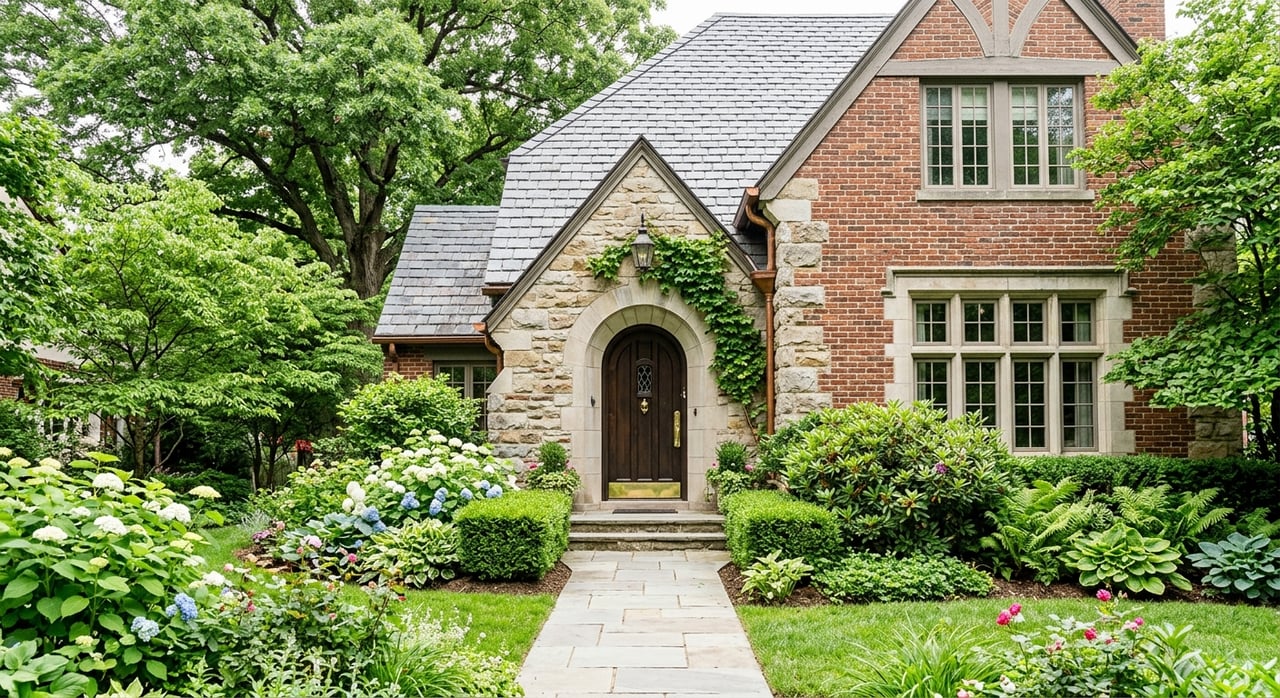
Cleveland Park is not a one-size-fits-all market. It is a historic district with a period of significance from 1880 to 1941, and official neighborhood materials point to the area’s tree-lined streets, generous porches, and wide range of home styles built roughly between 1890 and 1930.
That matters when you are getting ready to sell. Buyers here are often responding to the feeling of the architecture itself, not just fresh paint or trendy finishes. Prep tends to work best when it preserves and highlights the home’s original character.
Start with what buyers see first
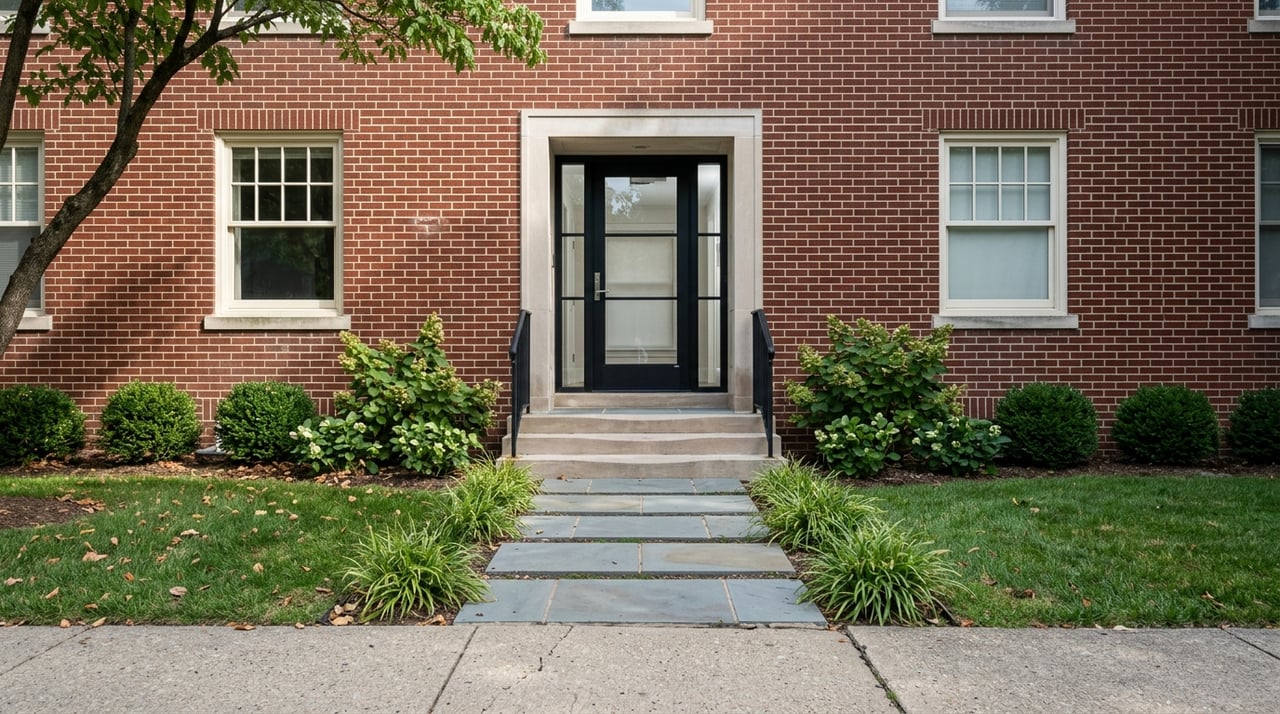
Your exterior sets the tone before a buyer steps inside. In Cleveland Park, that usually means the front entry, porch, façade, landscaping, and any visible architectural details all deserve early attention.
DC preservation guidance treats street-facing changes, especially on primary elevations, with more care. Features with custom or detailed design elements also require close attention, so it makes sense to evaluate these items well before you plan to list.
Focus on curb appeal that fits the house
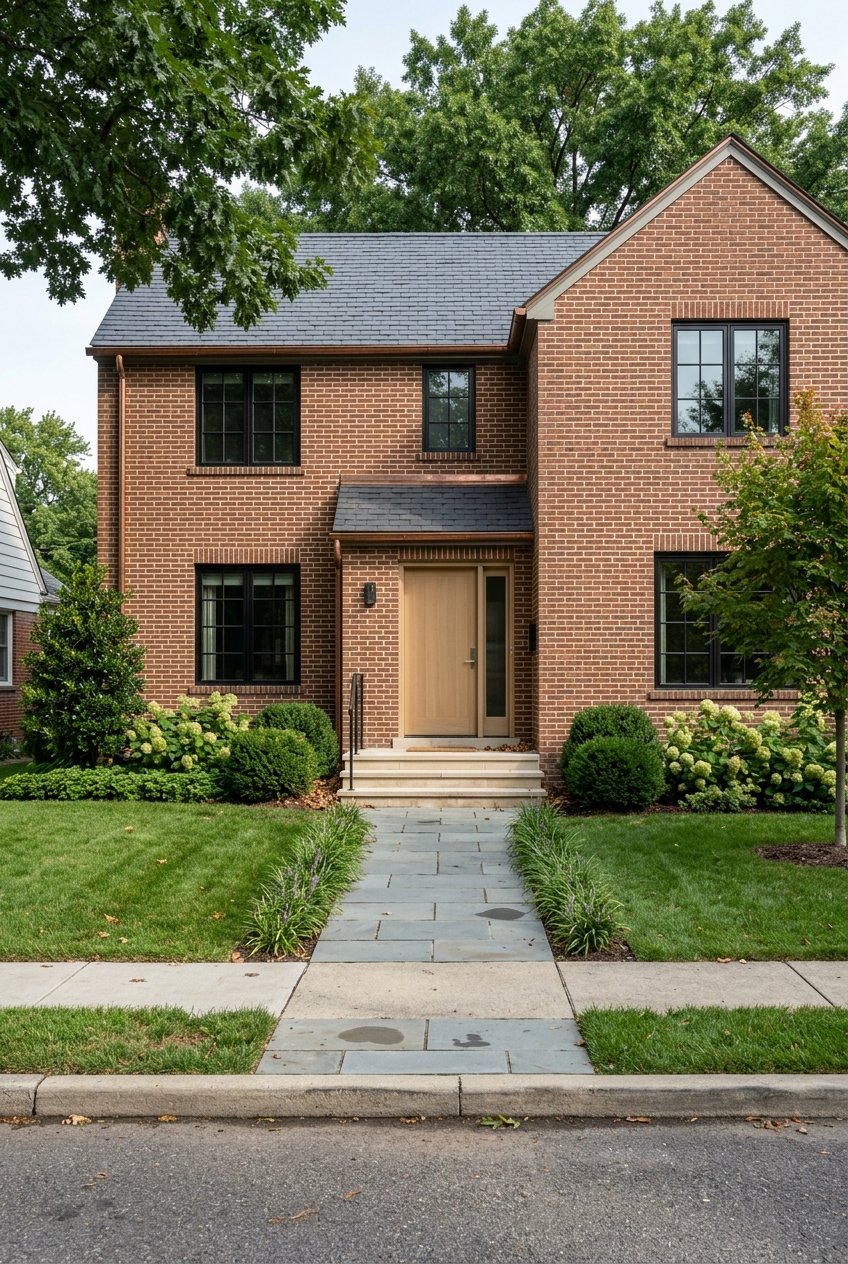
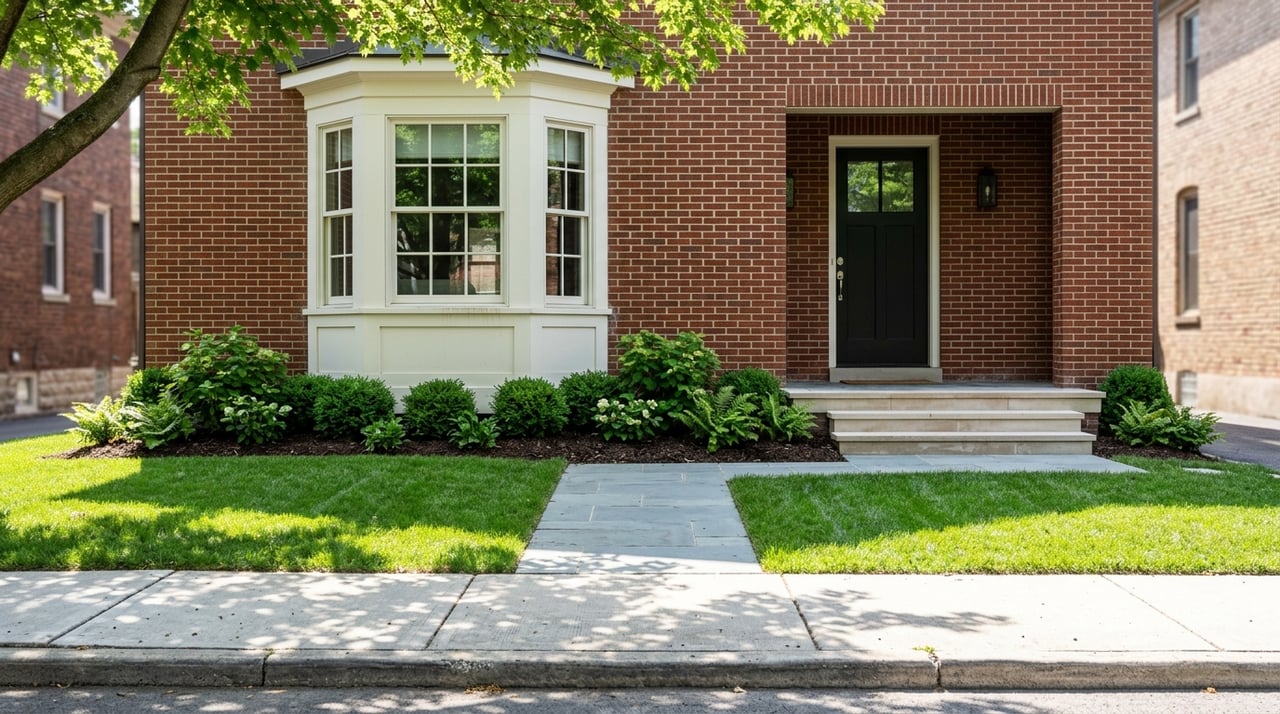
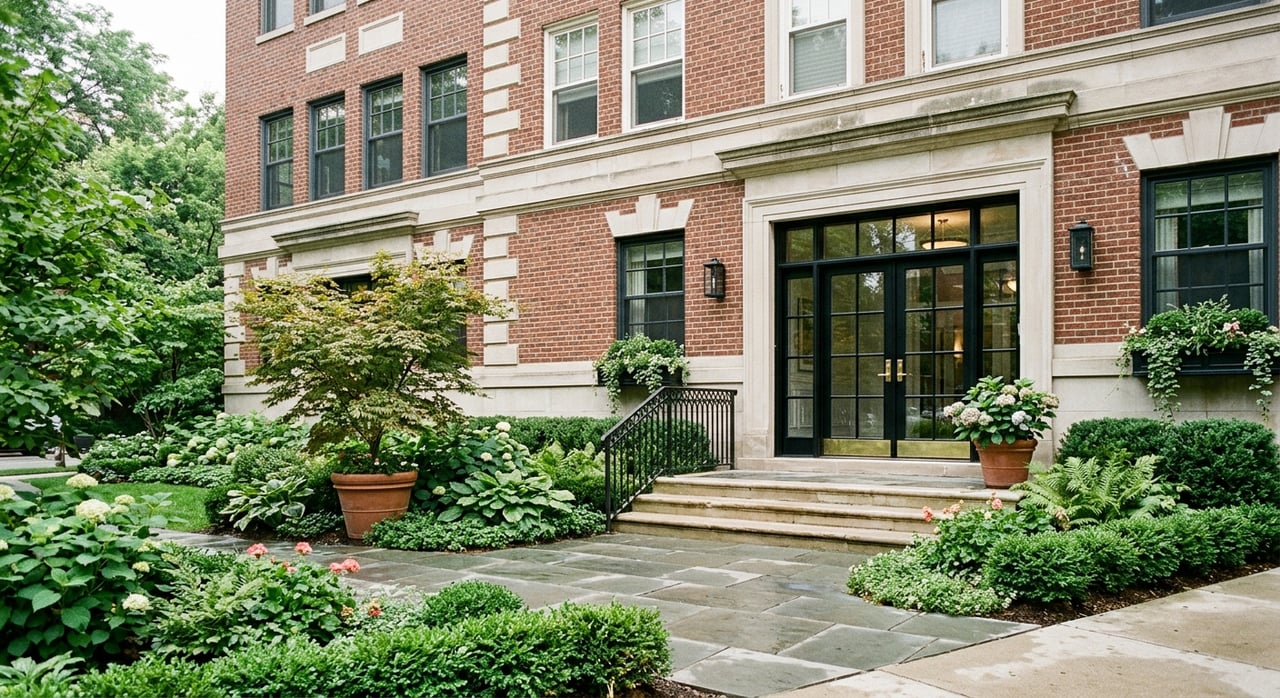
Curb appeal in Cleveland Park is not about making an older home look brand new. It is about making the architecture read clearly and feel well cared for.
That can include:
- Cleaning and refreshing the front entry
- Repairing worn porch elements
- Tidying stairs and railings
- Sharpening landscape maintenance
- Removing distractions that pull attention away from the façade
When buyers arrive, you want them to notice the home’s proportions, materials, and welcoming entry sequence. A cluttered porch or overgrown front garden can make those strengths harder to see.
Be careful with windows
Windows are one of the most important details in a historic property. DC guidance says original windows should be retained and repaired where possible.
If replacement is truly necessary, the new windows should match the historic configuration, proportions, profiles, finish, and, when appropriate, material. The guidance also discourages changing window openings on principal façades, and it specifically says vinyl windows are not appropriate replacements on primary elevations of historic property.
False muntins and snap-in grids are also discouraged because they do not convincingly match historic muntin profiles. If window work is part of your prep plan, this is an area where getting the details right matters.
Handle exterior work early
One of the biggest seller mistakes is treating exterior work like a last-minute checklist item. In Cleveland Park, that can create delays because many types of building and site work in DC require permits.
According to the DC Department of Buildings and related city guidance, permits are commonly required for additions, alterations, fences, decks, site work, and window replacement. Properties in historic districts may also need Historic Property Special Permit review for eligible scopes, including some work under the Instant Permit program.
Understand the review process
Historic-district properties often face stricter review for visible changes on primary elevations than for secondary ones. If work touches public space, separate review through DDOT may also apply.
That is why timing matters. If you know you may need exterior repairs or replacements, it is usually better to investigate the approval path months before you intend to go live.
A practical seller timeline
For many Cleveland Park sellers, a six-to-twelve-month runway is the most realistic path. That gives you time to confirm whether exterior work needs permit or historic review, complete repairs and cosmetic refreshes, and then move into staging, cleaning, and photography.
A simple sequence often looks like this:
- Assess exterior and interior condition
- Confirm any permit or historic-review needs
- Complete repairs and refreshes
- Declutter and deep clean
- Stage key rooms
- Schedule professional photography
- Launch with polished marketing
Keep interior updates selective
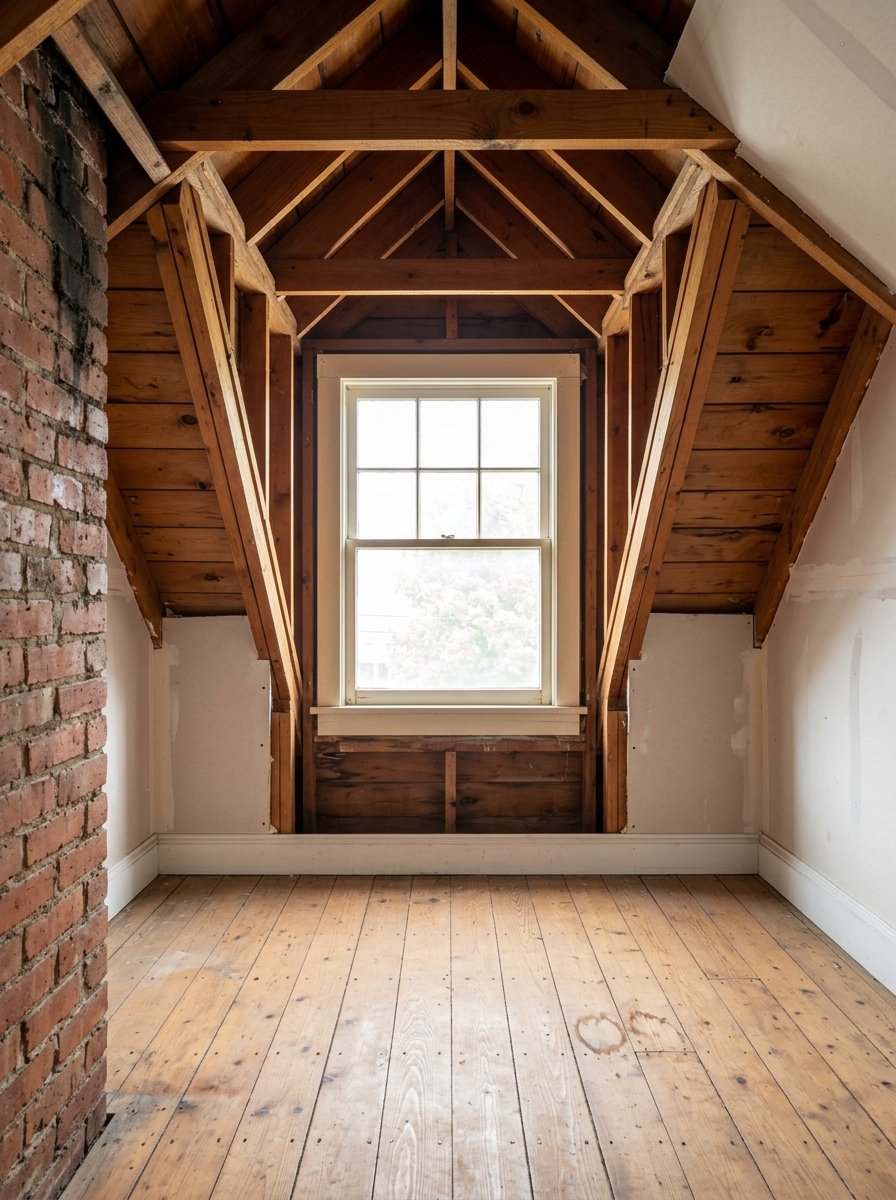
Inside the home, the best return often comes from restraint. In a neighborhood known for period homes, buyers are usually not looking for every surface to feel new. They want the home to feel bright, functional, and easy to understand.
That is why cosmetic and selective updates are often more effective than a full remodel right before listing. The goal is to reduce distractions while keeping the home’s distinctive features front and center.
Prioritize cleaning and decluttering
The 2025 NAR staging report found that the most common recommendations from agents were decluttering at 91%, cleaning the entire home at 88%, and improving curb appeal at 77%.
These are simple steps, but they matter because they help buyers focus on space, light, and layout. In an older home, visual noise can make rooms feel smaller or less functional than they really are.
Let the architecture lead
In Cleveland Park, staging should support the home instead of competing with it. Think room flow, natural light, trim details, fireplace surrounds, window placement, and the relationship between formal and informal spaces.
Trend-heavy furniture or overdecorated rooms can distract from those features. A cleaner, more intentional look usually helps buyers see how the house lives while still appreciating its age and character.
Stage the rooms that matter most
Not every room needs the same level of attention. According to NAR’s 2025 staging data, the living room ranked as the top priority for buyers at 37%, followed by the primary bedroom at 34% and the kitchen at 23%.
That gives sellers a useful roadmap. If you are deciding where to spend time and money, focus first on the spaces where buyers are most likely to form an emotional impression.
Where to put your effort
A strong prep plan usually gives extra attention to:
- Living room: clarify layout, reduce extra furniture, and highlight natural gathering space
- Primary bedroom: create a calm, spacious feel with simple styling
- Kitchen: clear counters, minimize visual clutter, and make circulation easy to read
NAR also found that 83% of buyers’ agents said staging made it easier for buyers to envision the home as their future home. That is especially important in older properties where room use may not feel obvious at first glance.
Is staging worth it?
For many sellers, yes. NAR’s 2025 report found that 29% of agents said staging their sellers’ homes produced a 1% to 10% increase in the dollar value offered, while 49% said staging reduced time on market.
The same report noted a median cost of $1,500 for a staging service, compared with $500 when the agent handled staging. The right approach depends on the house, the level of presentation needed, and the overall listing strategy.
Plan photography around character
Once the home is clean, repaired, and staged, photography needs to carry the story forward. Listing photos were rated highly important by 73% of buyers’ agents in NAR’s findings, with video also important to many.
In Cleveland Park, photos should show more than rooms. They should capture the façade, front porch, entry sequence, and outdoor spaces in a way that lets the architecture breathe.
What photos should emphasize
Your marketing images should aim to show:
- The front exterior without visual distractions
- The relationship between porch, entry, and street presence
- Bright main living spaces
- Architectural details that define the home
- Garden, patio, or outdoor areas with a clean presentation
This is not about making the property feel generic. It is about helping buyers understand why the home belongs in Cleveland Park.
A smart prep strategy wins here
The best Cleveland Park listing prep is usually not the most dramatic plan. It is the most disciplined one. When you start early, protect the home’s character, and focus on the details buyers actually notice, you put yourself in a stronger position when the property hits the market.
If you are weighing repairs, staging, timing, or how to present a historic home without over-improving it, a local, process-driven strategy makes a real difference. If you’re getting ready to sell in Cleveland Park, Andrew Riguzzi can help you build a prep plan that fits your home, timeline, and goals.
FAQs
What should sellers prioritize before listing a Cleveland Park home?
- Start with the exterior, especially the front entry, porch, façade, landscaping, and visible architectural details, then move to interior decluttering, cleaning, staging, and photography.
Do window replacements in Cleveland Park need extra care?
- Yes. DC guidance says original windows should be repaired where possible, and if replacement is necessary, the new windows should match the historic design closely, especially on street-facing elevations.
Do exterior projects in Cleveland Park usually require permits?
- Many do. DC guidance says permits are commonly required for work such as alterations, fences, decks, site work, additions, and window replacement, and historic-district properties may need additional review.
How far in advance should you prepare a Cleveland Park home for sale?
- A six-to-twelve-month timeline is often practical, especially if exterior work may require permit review or historic-district approval.
Is staging worth it for a Cleveland Park listing?
- NAR’s 2025 data suggests staging can help. Agents reported benefits including stronger buyer perception, reduced time on market, and in some cases higher dollar value offered.
Which rooms matter most when staging a Cleveland Park home?
- NAR’s 2025 staging report identified the living room, primary bedroom, and kitchen as the top rooms to prioritize.