Curious what day-to-day life in Spring Valley, DC actually feels like? If you are looking beyond listing photos and map pins, this neighborhood stands out for its quiet residential rhythm, mature trees, and easy access to both errands and green space. Here’s a practical look at how locals really live in Spring Valley, from weekday routines to weekends close to home. Let’s dive in.
Spring Valley at a glance
Spring Valley is a commonly used neighborhood name in DC, even though the city does not have legally fixed neighborhood boundaries. In practice, local planning materials and ANC 3D treat it as a distinct part of Ward 3.
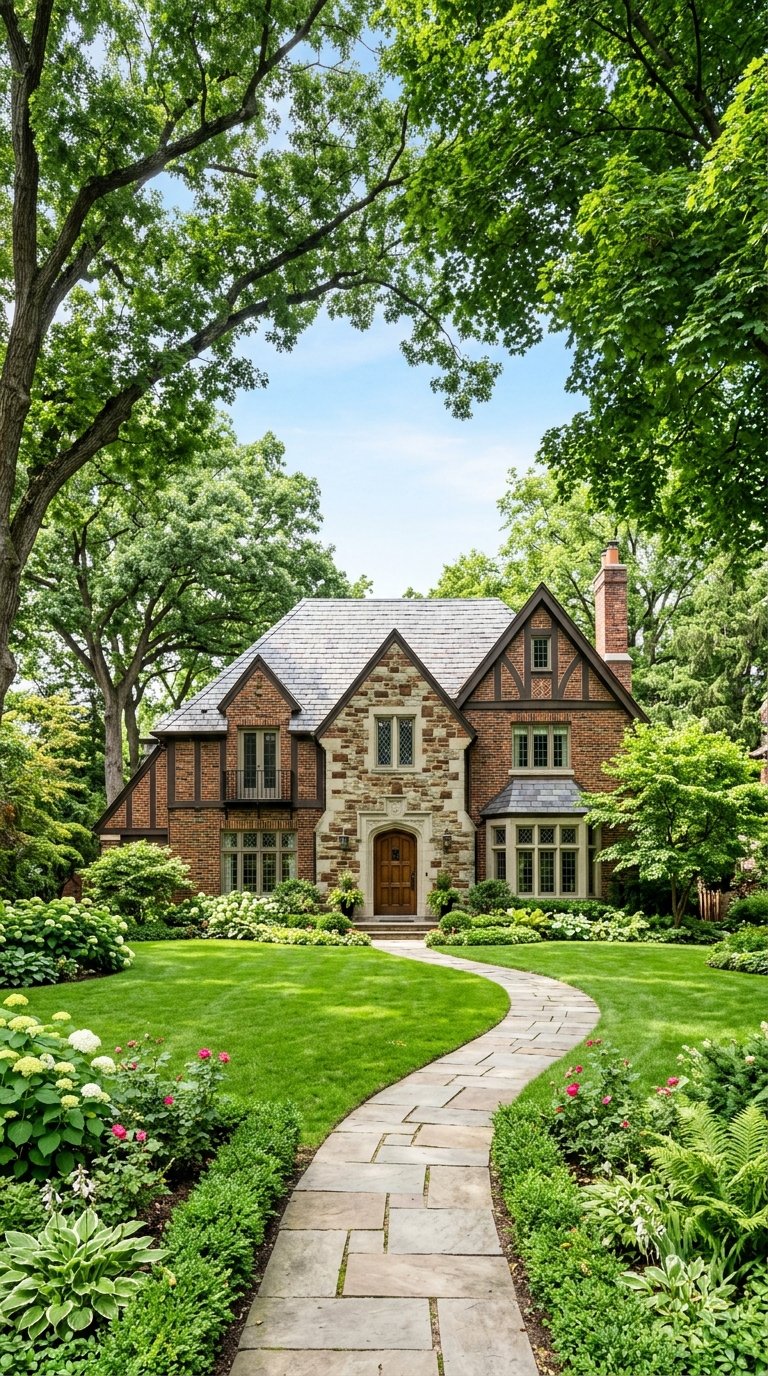
What stands out most is the setting. Spring Valley reads as a quiet residential pocket with a more suburban feel than many parts of Washington, thanks to its tall trees, parks, and streets that include more cul-de-sacs than you typically see in the city.
What the streetscape feels like
Spring Valley was developed in the late 1920s as a curving subdivision designed to follow the land’s hills and valleys while preserving mature trees. That early planning still shapes the neighborhood today.
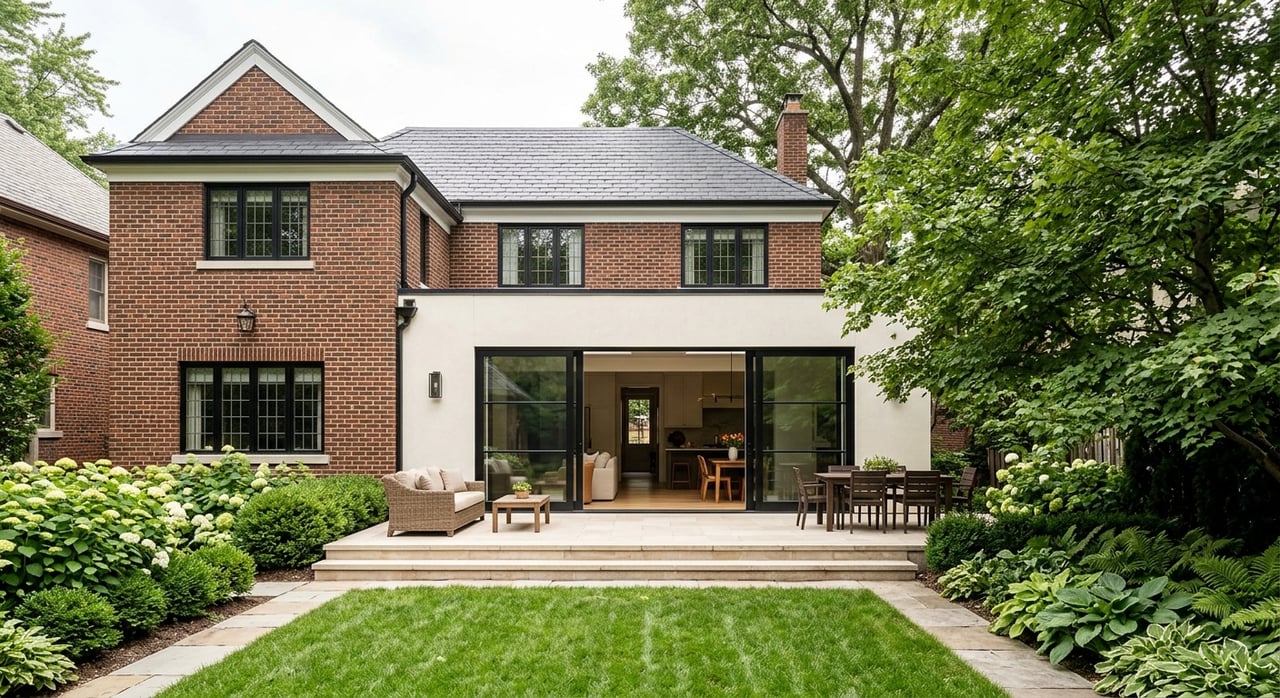
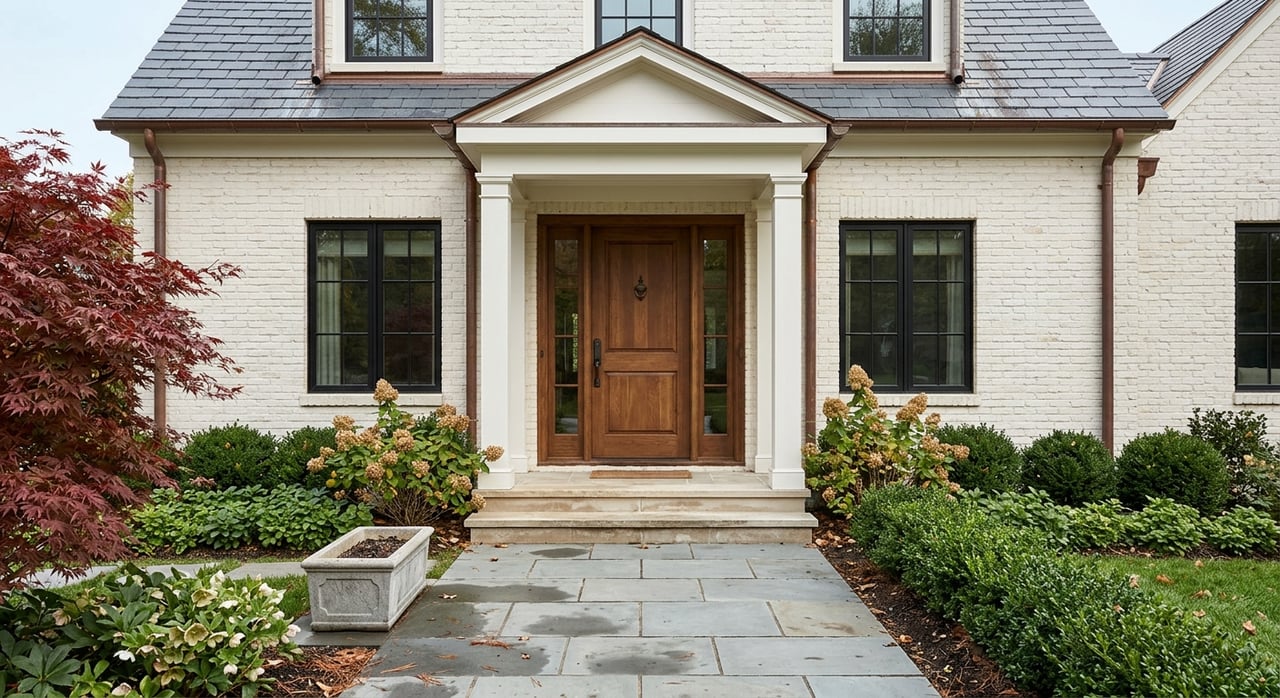
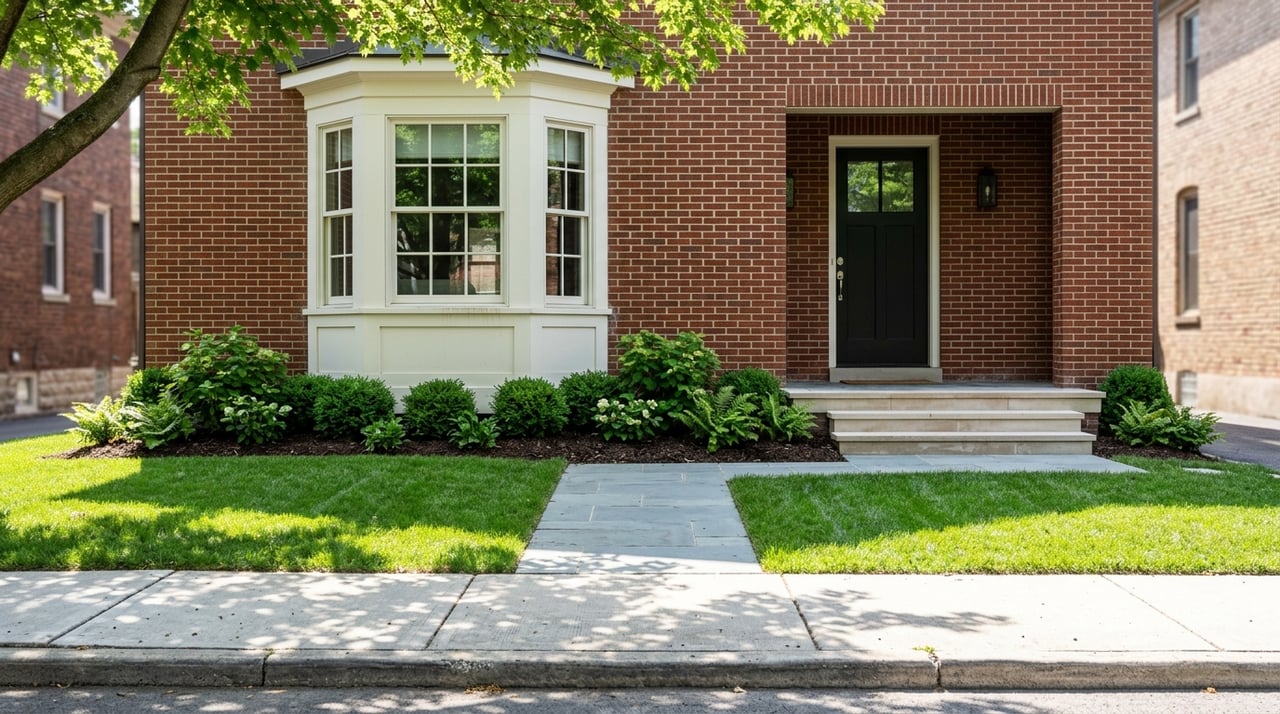
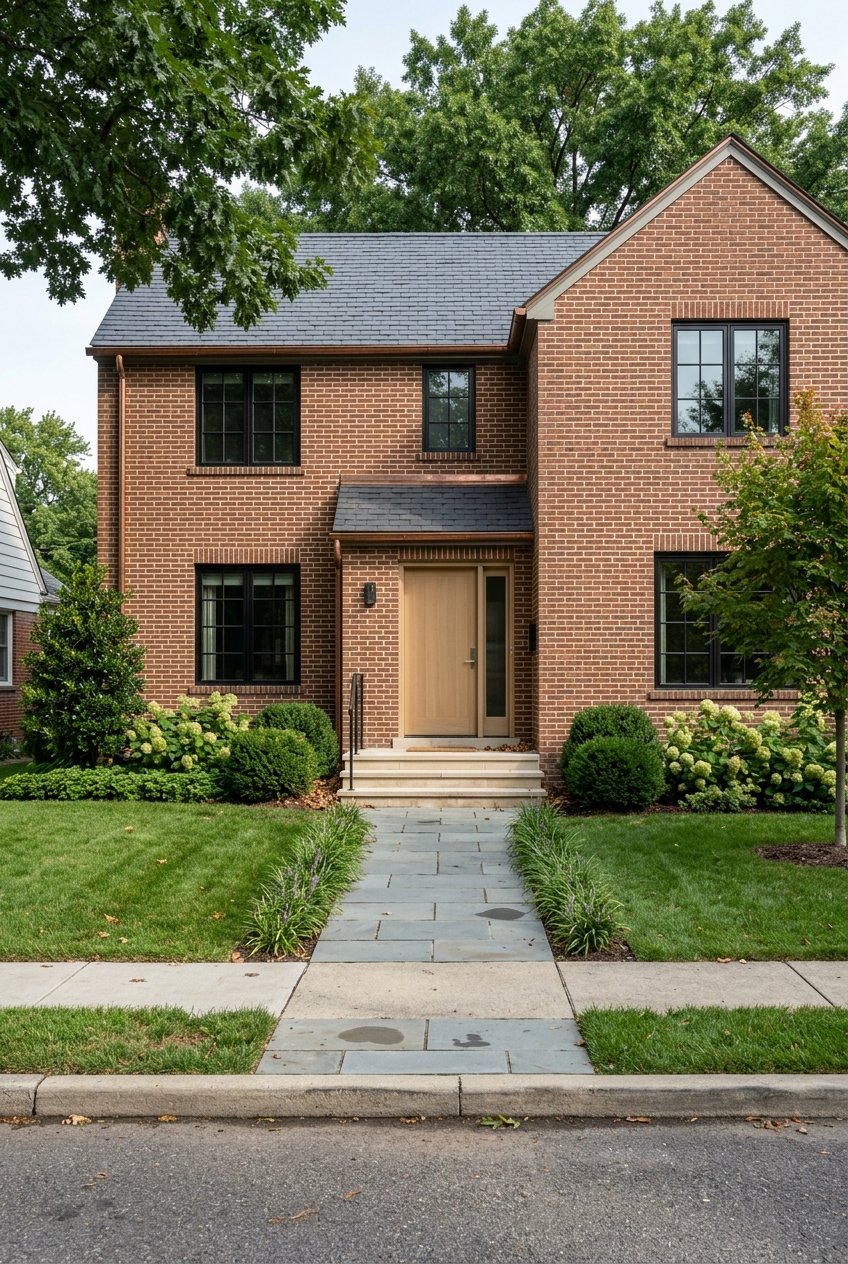
For you as a buyer or seller, the easiest shorthand is this: detached homes, larger lots, mature landscaping, and a low-rise streetscape. The area is also known for larger houses and some embassy residences, which adds to its estate-like feel in Northwest DC.
A quieter side of DC
If you are comparing Spring Valley to denser DC neighborhoods, the difference is noticeable. The residential pattern feels more tucked away, with homes and greenery taking center stage instead of long rows of storefronts or mid-rise buildings.
That does not mean it feels cut off. It means your daily experience is more likely to center on home, nearby errands, and outdoor time rather than constant street activity.
How errands usually work
The main local retail hub is Spring Valley Shopping Center on Massachusetts Avenue. It was planned early on to serve nearby residential streets, and it still functions that way today.
Current everyday stops there include Wagshal’s, Wagshal’s Deli, CVS, Wells Fargo, and Playa Bowls. For many locals, that means you can handle a short list of practical errands without going far.
Small errands stay local
This is one of the neighborhood’s biggest lifestyle advantages. If you need to pick up basics, stop by the bank, or grab something quick to eat, you have a simple nearby option.
ANC 3D also points to doctors’ offices on Massachusetts Avenue, which adds to that practical, close-to-home rhythm. Nearby landmarks like American University, Wesley Theological Seminary, Friendship Recreation Center, and the Spring Valley Trail also help define the area’s everyday geography.
Bigger shopping usually means leaving the neighborhood
Spring Valley is not built around large-scale retail or a major restaurant scene. For broader shopping and more dining options, many people look to nearby commercial districts.
Ward 3 planning materials identify Friendship Heights as a regional draw with shops and restaurants, and WMATA notes that the Friendship Heights station has direct access to three major shopping centers. In real life, that means Spring Valley often works best for people who want a quieter home base with larger retail options nearby.
What weekends look like
Spring Valley’s access to green space is one of the clearest clues to how people spend their free time. This is a neighborhood where outdoor routines are easy to build into your week.
Glover-Archbold Park offers 183 acres and a nearly 2.5-mile trail that connects toward the C&O towpath. Battery Kemble adds trail access and scenic views, and Rock Creek Park offers more than 30 miles of hiking trails within the park’s main boundary.
Outdoor time is a major lifestyle perk
If your ideal weekend includes walking, running, dog-walking, or just getting outside without a long drive, Spring Valley makes that simple. The neighborhood’s curving streets and tree canopy also support a more low-key pace close to home.
Rather than feeling nightlife-oriented, weekends here tend to feel more outdoor-oriented. You can imagine the rhythm as trail time, neighborhood walks, a quick errand stop, and relaxed time at home or in the yard.
Nearby parks add variety
Fort Reno Park adds another layer to the area’s weekend options. It is known for ball fields and a long-running concert series, which gives residents another nearby place to spend time outdoors.
Taken together, these parks and trails help explain why Spring Valley appeals to people who want access to nature without leaving Northwest DC.
How commuting fits into daily life
Commuting in Spring Valley is usually flexible rather than purely transit-based. The neighborhood is close to Red Line access, but its layout and history also support driving as part of daily life.
WMATA identifies nearby Red Line stations at Tenleytown-AU and Friendship Heights, both on Wisconsin Avenue. Tenleytown-AU includes parking and bike facilities, while Friendship Heights includes bike facilities and access to major shopping centers.
Many residents likely mix car and Metro
Historic planning materials emphasize that Spring Valley and surrounding retail nodes were designed around automobile access. That helps explain why daily transportation here likely includes a mix of driving, rideshare, and Metro depending on where you are headed.
In practical terms, a typical weekday probably looks like a quiet residential morning, a commute by car or Metro, a nearby errand stop on the way home, and an evening walk. That pattern fits the neighborhood’s design and location within the Massachusetts Avenue and Wisconsin Avenue network.
Who Spring Valley tends to suit
Spring Valley is a strong fit if you want a quieter, more residential setting without giving up access to the rest of the city. It offers a different kind of DC lifestyle, one centered more on space, trees, and a steady daily routine.
For some buyers, that balance is the draw. You get a home base that feels removed from the city’s faster pace, while still staying connected to nearby retail, Red Line transit, universities, and major parkland.
You may like Spring Valley if you want
- Detached homes and a low-rise streetscape
- Larger lots and mature landscaping
- A quiet residential feel
- Local errand options close to home
- Easy access to trails and parks
- Flexibility to commute by car or Metro
It may be less ideal if you want
- A dense restaurant scene right outside your door
- Heavy foot traffic and constant street activity
- A neighborhood built around transit-first living
- Large retail options within the neighborhood itself
Why this matters when buying or selling
Understanding how locals really live in Spring Valley helps you evaluate more than just square footage or finishes. It gives you a better sense of what daily life will actually feel like once the move is over.
For buyers, that means weighing the value of quiet streets, green space, and larger homes against the tradeoff of going to nearby districts for more shopping and dining. For sellers, it means knowing which lifestyle features are likely to resonate most with the right audience.
Spring Valley is not trying to be everything at once. Its appeal is more specific than that, and for the right buyer, that specificity is exactly the point.
If you are thinking about buying or selling in Northwest DC and want clear guidance on how Spring Valley fits into the bigger market, Andrew Riguzzi can help you evaluate the neighborhood with a local, strategic lens.
FAQs
What is daily life like in Spring Valley, DC?
- Daily life in Spring Valley tends to feel quiet and residential, with nearby errands, flexible commuting options, and easy access to outdoor space.
What kind of homes are common in Spring Valley, DC?
- Spring Valley is known for detached homes, larger lots, mature landscaping, and a generally low-rise streetscape.
Does Spring Valley, DC have shops and restaurants nearby?
- Spring Valley has a practical local shopping center on Massachusetts Avenue for everyday errands, while broader shopping and dining options are typically found in nearby districts like Friendship Heights.
Is Spring Valley, DC good for outdoor activities?
- Spring Valley has strong access to outdoor space, including Glover-Archbold Park, Battery Kemble, Rock Creek Park, and nearby Fort Reno Park.
How do people usually commute from Spring Valley, DC?
- Commuting from Spring Valley is often a mix of driving, rideshare, and Metro, with nearby Red Line access at Tenleytown-AU and Friendship Heights.
What makes Spring Valley, DC feel different from other DC neighborhoods?
- Spring Valley stands out for its curving streets, mature trees, larger homes, and quieter, more suburban-feeling layout compared with many denser parts of DC.