If you own a home in Spring Valley, you have probably wondered what really sets one sale apart from another. In a neighborhood where prices can range from under $2 million to well above $5 million, small differences in lot, location, condition, and presentation can have a big impact. Understanding those drivers can help you make smarter decisions whether you plan to sell soon or simply want a clearer read on your home’s position in today’s market. Let’s dive in.
Spring Valley's Market Position
Spring Valley is a distinct luxury submarket within Northwest Washington, not just another slice of the broader DC market. Official planning materials place it in Ward 3 and describe it as a community shaped in the late 1920s with larger lots, mature trees, and a more secluded residential setting. That foundation still matters because buyers here are often paying for privacy, scale, and landscape as much as the house itself.
Recent market snapshots reinforce that point. Redfin reports a median sale price of $2.4 million over the last three months, up 13.1% year over year, with homes taking 56 days to sell. Realtor.com shows a median listing price of $2.545 million, 23 active listings, 24 median days on market, and $686 per square foot.
Those sources use different methods, but they point in the same direction. Spring Valley is a high-value, highly selective market where buyers will pay for the right property, but pricing and preparation still matter. Compared with broader Washington, DC figures, this is a much narrower and more specialized segment.
Lot Size Still Drives Value
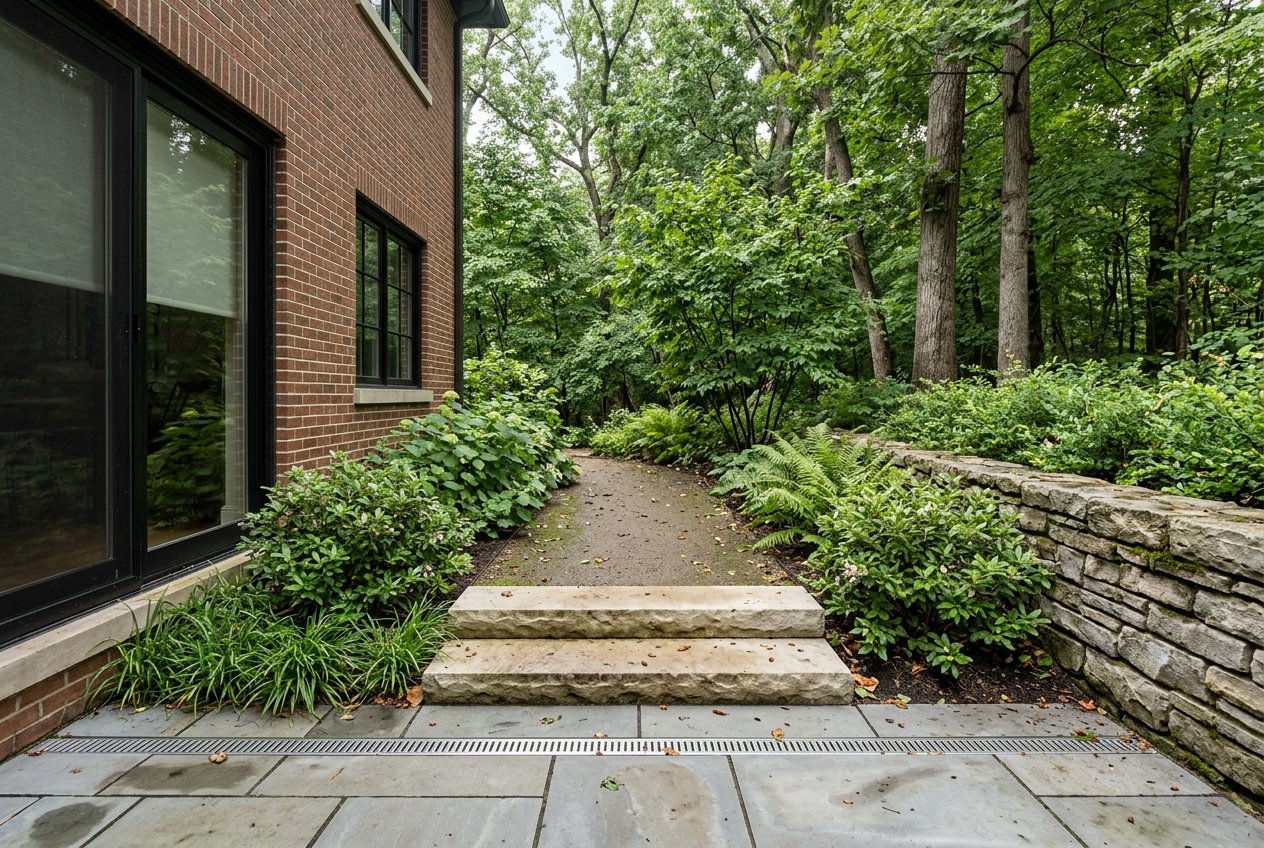
In Spring Valley, land is not just a backdrop. The neighborhood was planned around detached homes, larger building lots, and wooded yards, and that legacy still shapes value today. Buyers often respond strongly to homes that offer usable outdoor space, privacy, and a sense of separation from nearby streets.
Recent sales show how powerful that can be. A home at 4941 Glenbrook Road NW sold for $4.3 million on a 0.45-acre lot, while 5033 Tilden Street NW sold for $5.2 million on 0.33 acres. These are not just interior value stories. They reflect how much buyers in Spring Valley care about the overall site.
That does not mean the biggest lot always wins. A lot that feels private, landscaped, and functional may outperform a larger parcel with less appeal. In this neighborhood, site quality often matters nearly as much as lot size itself.
Park Access Can Boost Pricing
Some of the strongest value signals in Spring Valley come from homes near parkland. Buyers consistently respond to settings that feel tucked away, open, and green. When a property backs to or directly accesses Spring Valley Park, that can become a meaningful part of its value story.
The recent sales examples make that clear. A home at 4956 Quebec Street NW sold for $4.1 million on an 8,577-square-foot lot with access to Spring Valley Park. Another at 4923 Hillbrook Lane NW sold for $2.755 million on 0.26 acres while backing directly to the park.
These sales suggest that adjacency to open space can raise buyer interest even when a lot is not the largest in the neighborhood. If your home benefits from a park-edge setting, a quiet rear view, or unusually strong privacy, that feature should be part of how your property is evaluated and presented.
Micro-Location Shapes Buyer Demand
Not every Spring Valley block trades the same way. Even within a small neighborhood, buyer preferences can shift based on the exact street, proximity to commercial areas, and the overall feel of the block. That is especially true in a market where buyers have high expectations and can be selective.
Recent listings and sales reflect those block-by-block differences. One sale on Upton Street NW was described as being on a premier block off Fordham Road, while Hillbrook Lane sales highlighted direct park frontage. Official planning materials also identify the Spring Valley Shopping Center and the Massachusetts Avenue commercial node, which helps explain why some buyers may value quiet interior locations differently from homes closer to major corridors.
For homeowners, this matters because citywide averages do not tell the full story. Your closest true competition is often homes with a similar style, setting, and street appeal, not just any detached home in Northwest DC.
Architecture Adds a Premium
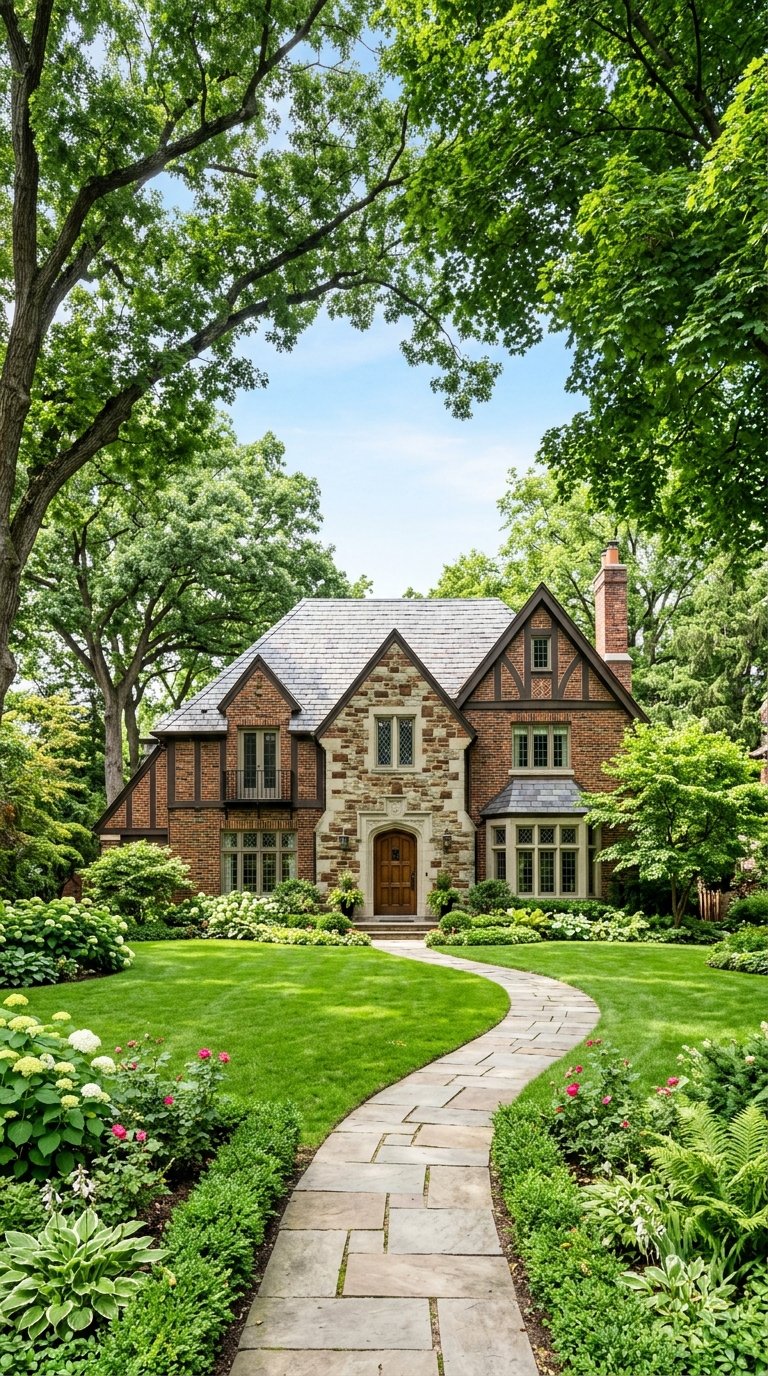
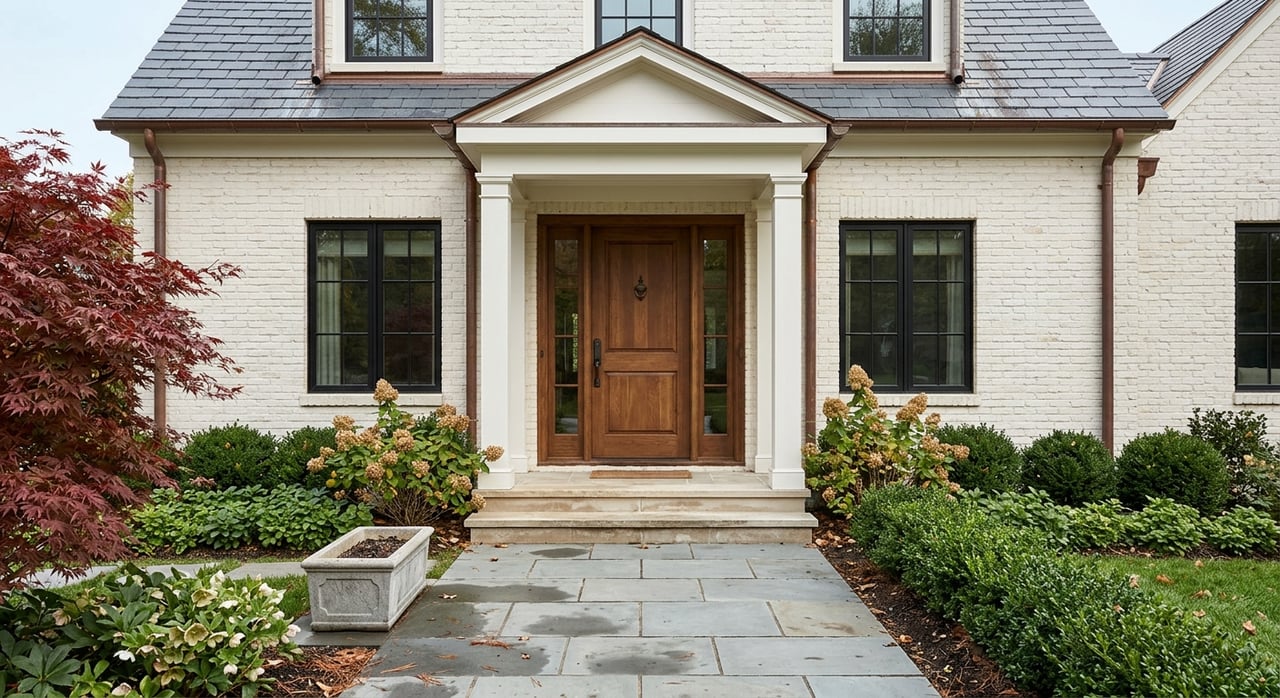
Spring Valley has a strong architectural identity, and buyers notice it. Planning sources describe the area as a designed community with quality materials and a mix of revival-style homes, including Colonial Revival, Tudor Revival, Classical Revival, Spanish Revival, and later Storybook Tudor influences. That architectural consistency helps support long-term demand.
In practical terms, character can add value when it feels authentic and well preserved. Buyers often respond to original details, strong curb appeal, and houses that feel tied to the neighborhood’s history. In a luxury market, that kind of fit can be just as important as raw square footage.
This is one reason two homes with similar size can land at very different price points. If one home has stronger architectural presence, better materials, and a more cohesive design, buyers may see it as the more compelling option before they even walk through the door.
Renovation Quality Matters More Than Ever
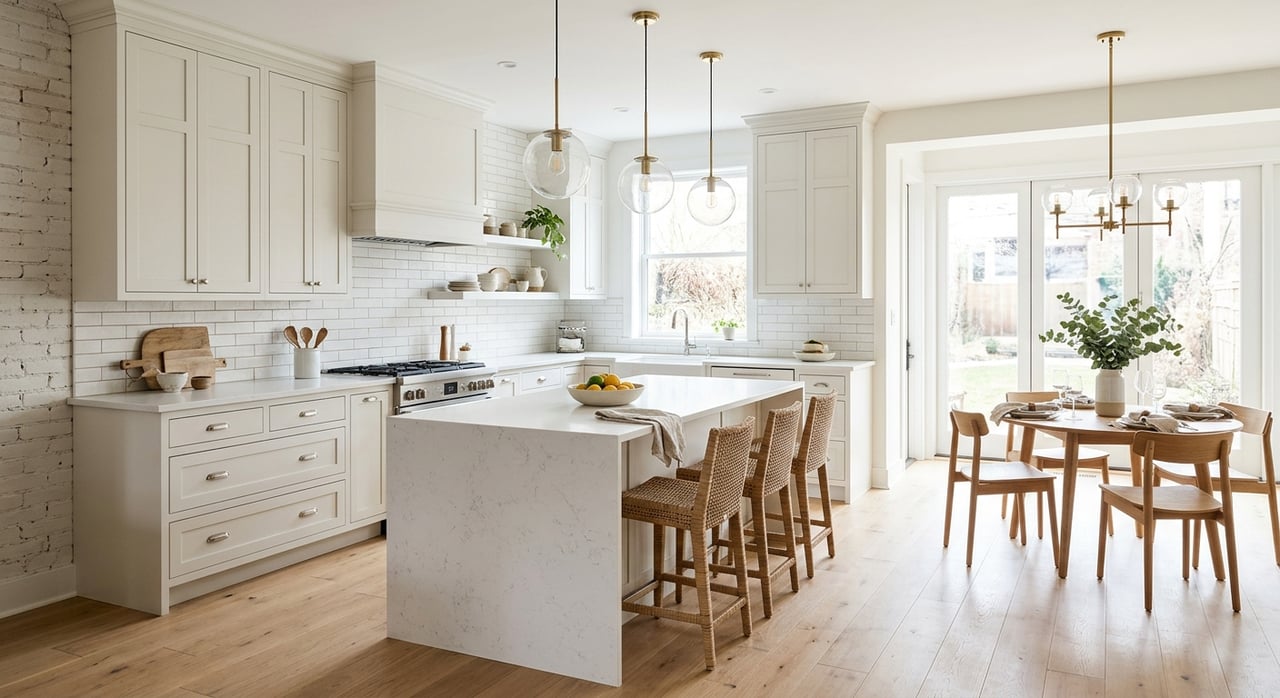
Condition is one of the clearest value drivers in Spring Valley today. Buyers will still pay for a home with great bones and a prime lot, but the gap between turnkey and dated can be substantial. In a selective market, many buyers want a house that feels move-in ready from day one.
The recent sales spread is telling. A fully reworked 1942 Tudor Revival at 5033 Tilden Street NW sold for $5.2 million, while 4956 Quebec Street NW, described as a beautifully maintained and expanded fieldstone home, sold for $4.1 million. By contrast, 4934 Upton Street NW, a 1930s Tudor positioned as ready to be reimagined, sold for $1.995 million.
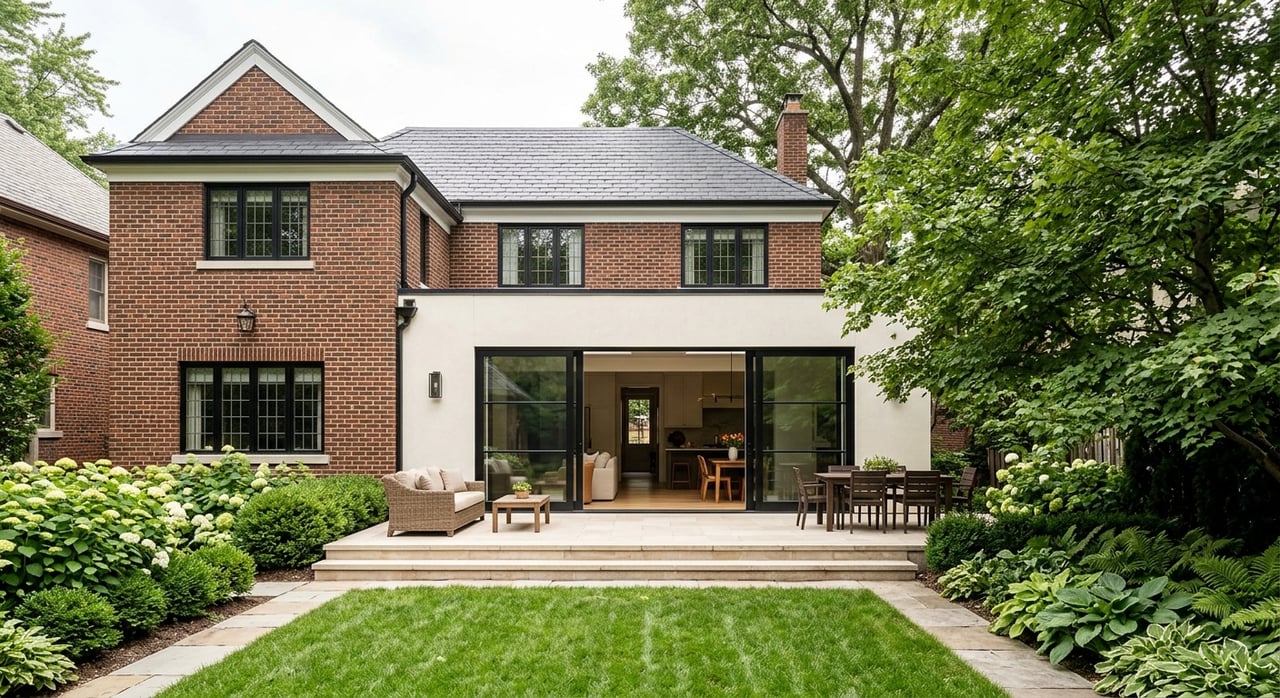
That does not mean every seller should start a major renovation. In fact, Realtor.com’s Spring Valley guidance suggests that minor cosmetic updates like paint, fixtures, and landscaping tend to be more reliable than large projects that may not return full cost. The key is knowing which improvements help your home feel current without overspending.
Turnkey Features Help Raise the Ceiling
Some homes command stronger prices because they check multiple buyer boxes at once. A large lot, strong parking, updated systems, and polished presentation can create a higher value ceiling than any one feature alone. Buyers in Spring Valley often reward that complete package.
A good example is 4941 Glenbrook Road NW. It sold for $4.3 million on a 0.45-acre lot, with county records showing a 2008 renovation date and Redfin noting a three-car garage. That profile combines land, functionality, and condition in a way that tends to support premium pricing.
For sellers, the lesson is simple. Your value story is strongest when the property feels cohesive, practical, and easy for a buyer to understand. If your home already offers features like garage parking, updated interiors, and strong outdoor space, those advantages should be highlighted clearly.
Pricing Still Requires Precision
Even with rising values, Spring Valley is not a market where you can simply name a number and expect buyers to follow. Realtor.com shows 23 active listings and 24 median days on market, while Redfin’s sold data show a 56-day pace. Those figures suggest activity, but also selectiveness.
Realtor.com also indicates that homes sold for approximately asking price on average. That tells you buyers are willing to pay fair market value, but they are not ignoring condition, presentation, or overpricing. A home that misses the mark can lose momentum quickly.
This is where hyperlocal pricing matters. In Spring Valley, the best pricing analysis should compare your home against recent sales with similar architecture, lot profile, renovation level, and micro-location. That kind of disciplined positioning is often what separates a strong result from a stale listing.
What Sellers Can Control
You cannot change your lot or move your home closer to the park, but you can control how your property enters the market. In a neighborhood like Spring Valley, execution matters. Buyers are evaluating details closely, and strong preparation can make a meaningful difference.
If you are planning to sell in the next 6 to 18 months, focus on the levers that buyers will notice most:
- Review same-style and same-block sales, not just broad neighborhood averages
- Prioritize cosmetic updates that make the home feel fresh and turnkey
- Improve landscaping and exterior presentation
- Address deferred maintenance before listing
- Build a pricing strategy around your exact location and condition
This is especially important in a selective luxury segment. The homes that perform best are usually the ones that feel intentional from the start.
If you want a sharper read on your own home’s value in Spring Valley, a block-level analysis is usually more useful than a broad online estimate. That is where local experience, preparation strategy, and pricing discipline can really pay off. If you are thinking about selling, buying, or weighing renovation decisions in Northwest DC, Andrew Riguzzi can help you build a plan with clear local context.
FAQs
What affects Spring Valley home values most today?
- The biggest drivers are lot size, site quality, micro-location, architectural character, renovation level, and overall presentation.
Do larger lots always sell for more in Spring Valley?
- No. Larger lots can support higher value, but buyers also pay for privacy, usable outdoor space, and strong settings like park adjacency.
Do homes near Spring Valley Park command a premium?
- They often can, because recent sales show that park access, open views, and added privacy are meaningful features for buyers.
Do all Spring Valley streets perform the same in the market?
- No. Interior blocks, park-edge locations, and homes closer to Massachusetts Avenue or commercial nodes can trade differently.
Do renovations increase Spring Valley home value?
- Often yes, but the return depends on quality and scope. Recent sales suggest updated, well-presented homes can significantly outperform dated homes.
Should Spring Valley sellers do major renovations before listing?
- Not always. Minor cosmetic improvements such as paint, fixtures, and landscaping are often more reliable than major projects that may not return full cost.
Is Spring Valley still a seller's market?
- It is better described as a selective luxury market where well-prepared, well-priced homes can perform strongly, while dated or overpriced listings may face more friction.
How should a Spring Valley home be priced?
- The best approach is to compare it with recent sales that match its style, block, lot profile, and condition rather than relying on citywide or broad neighborhood averages.