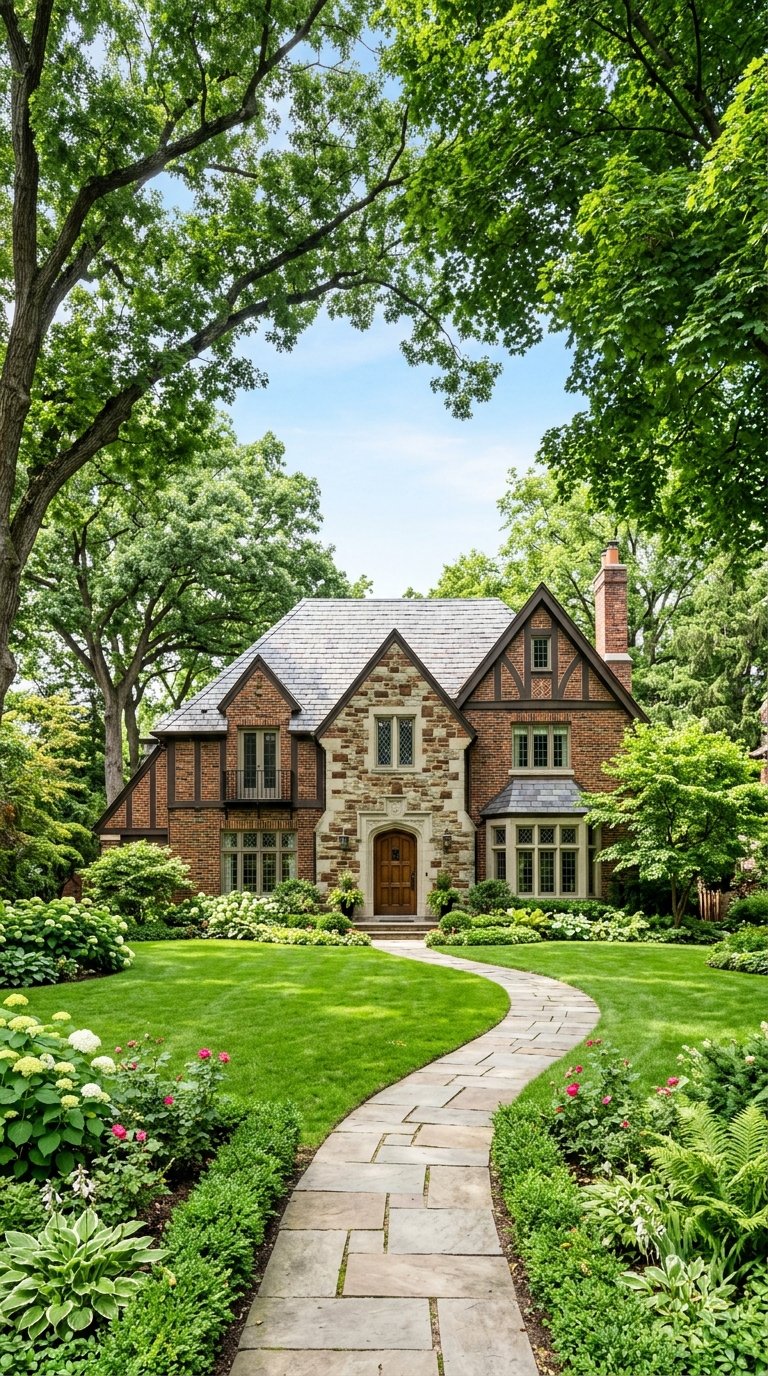
If you want a DC neighborhood that feels tucked into nature without losing everyday convenience, Forest Hills deserves a close look. This pocket of Upper Northwest offers a rare blend of park-edge calm, varied housing, and easy access along Connecticut Avenue. If you are trying to understand what it is actually like to live, buy, or sell here, this guide will walk you through the setting, housing mix, and daily rhythm. Let’s dive in.
Forest Hills at a Glance
Forest Hills sits along the Connecticut Avenue corridor beside Rock Creek Park, which gives the area much of its identity. Because the District does not use official neighborhood boundaries, different sources describe it a bit differently, but the shared theme is consistent: this is a neighborhood shaped by its proximity to the park and the Van Ness area.
Ward 3 planning materials group Forest Hills with a pattern you see in parts of Upper Northwest: a commercial core, apartment buildings or townhouses nearby, and single-family homes beyond that. In practical terms, that means you get a neighborhood that feels residential and quiet while still staying connected to transit and daily essentials.
Why Forest Hills Feels Different
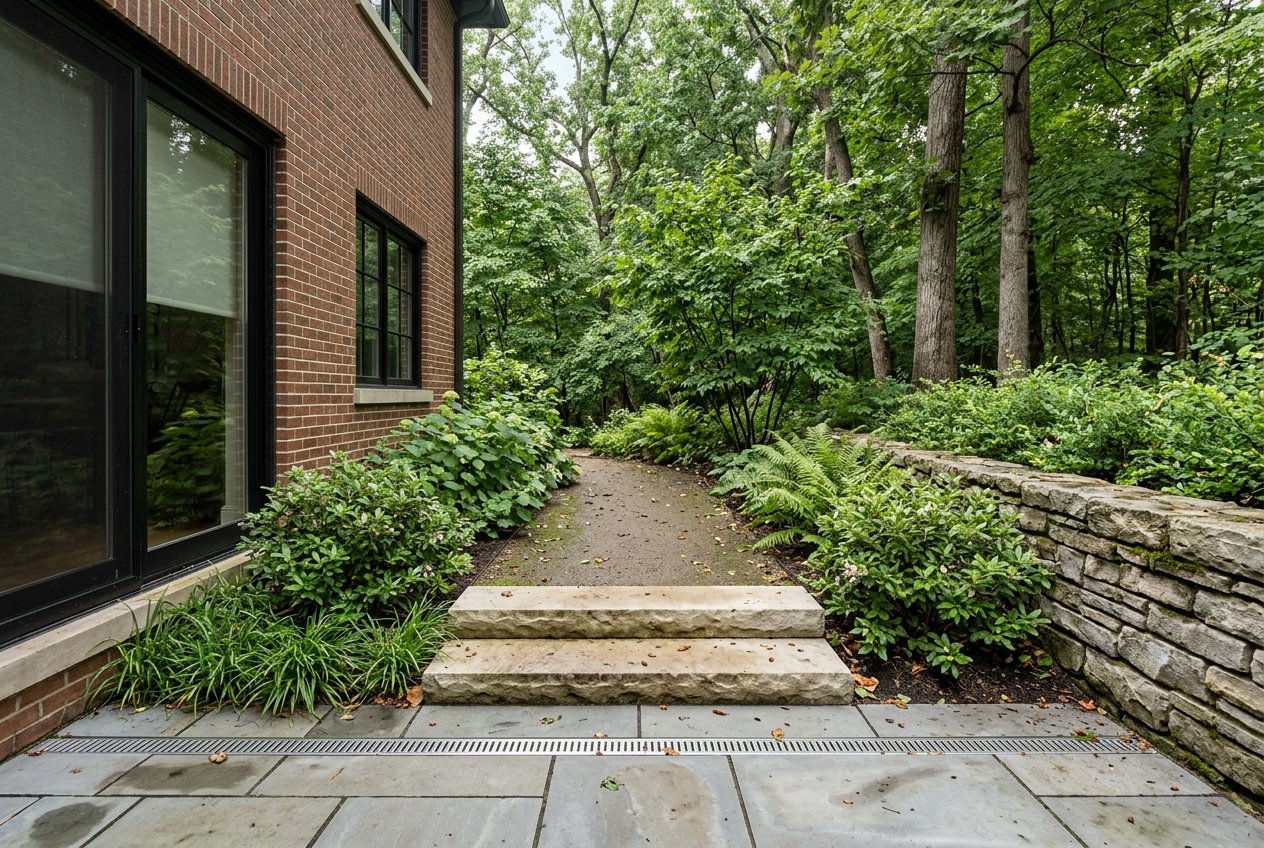
Some DC neighborhoods are defined by a strong street grid and dense rows of homes. Forest Hills feels different because the land itself helped shape the neighborhood. Stream valleys and slopes dropping toward Rock Creek influenced development over time, creating picturesque lots and cul-de-sacs instead of a strict, uniform pattern.
That topography is a big reason the neighborhood feels more tucked away than you might expect from its location. Even though you are still in the city, the combination of hills, mature trees, and park edges can make parts of Forest Hills feel calmer and more secluded.
The Rock Creek Park Connection
Forest Hills is directly beside Rock Creek Park, and that relationship is central to its character. Rock Creek Park includes forests, meadows, and streams, giving this part of DC a natural backdrop that is hard to replicate elsewhere.
Nearby Soapstone Valley and Melvin C. Hazen Park add to that green setting. A local tree-and-slope overlay was also created to help preserve the park-like feel around these areas, protect mature trees, and limit lot coverage on certain mapped properties.
Housing in Forest Hills
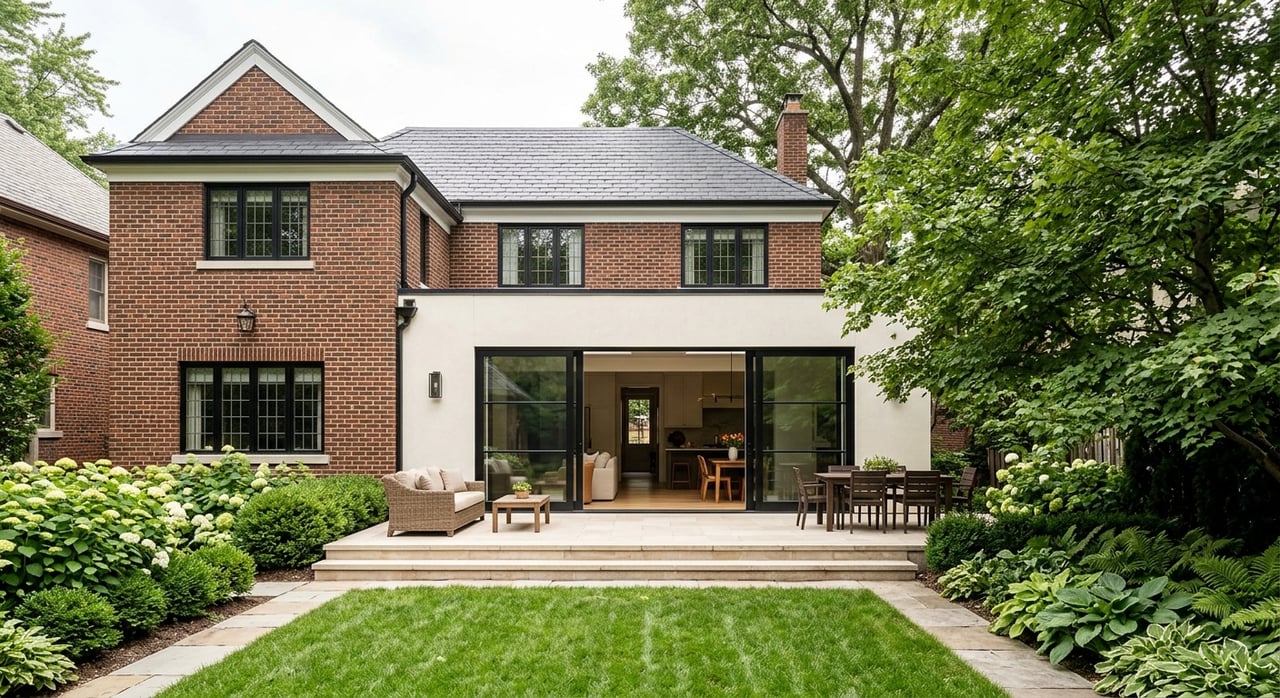
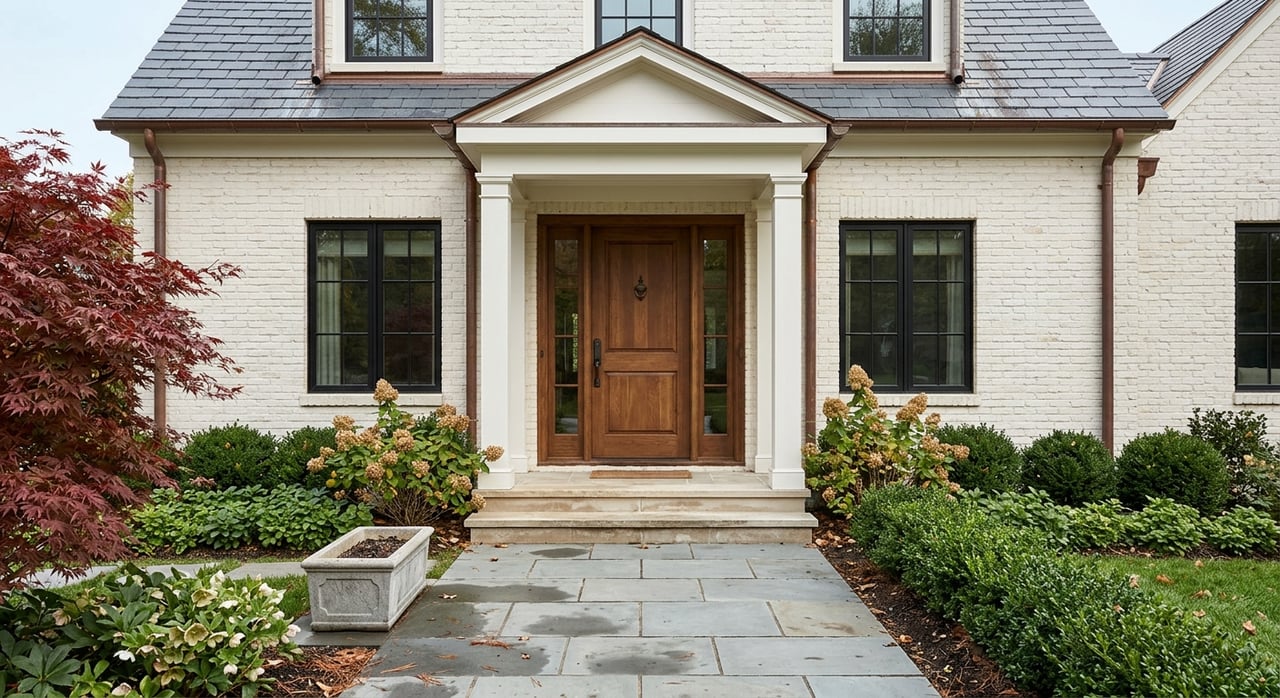
Forest Hills is best understood as a low-density neighborhood with more than one housing type. You will find single-family homes, along with apartments and townhouses closer to Connecticut Avenue. Planning materials also note a mix of building styles, from Victorian to Modern.
For buyers, that means Forest Hills is not one-note. Depending on where you focus your search, you may see larger detached homes on substantial lots or homes and buildings that sit closer to the corridor. For sellers, that variety matters because pricing, positioning, and buyer expectations can differ meaningfully from one part of the neighborhood to another.
Larger Lots and a Protected Feel
Part of the neighborhood’s physical character is reinforced by zoning and overlay rules in mapped areas. The FH/TSP overlay covers land over R-1-A, R-1-B, and R-2 zones, where lot occupancy is limited to 30 percent and minimum lot size is 9,500 square feet.
For you as a homeowner or buyer, that helps explain why much of Forest Hills maintains an open, low-density look. It also supports the sense that the neighborhood’s green setting is not accidental. It is part of the planning framework that shapes how the area looks and feels.
Daily Life Along Connecticut Avenue
Forest Hills is not a neighborhood where retail is scattered deep into residential blocks. Day-to-day shopping and services are concentrated along Connecticut Avenue, especially around Van Ness-UDC, which planning and transportation sources identify as the center of the commercial corridor for Forest Hills.
That setup creates a practical balance. You can live on quieter residential streets and still head toward the avenue for errands, transit, and routine stops.
What You Will Find Near Van Ness
WMATA places the Van Ness-UDC station at 4230 Connecticut Avenue NW, with street access on Connecticut Avenue at Giant and CVS. That gives you a useful snapshot of how the corridor functions for daily life.
The area around the station also includes nearby bus service on routes C87, D70, and D72. WMATA’s vicinity map places Soapstone Valley Park, UDC, and Van Ness Center within a five-minute walk of Van Ness-UDC, highlighting how closely green space and urban convenience sit together here.
Getting Around From Forest Hills
For many buyers, one of Forest Hills’ strongest advantages is that it can feel residential without feeling isolated. Red Line access is part of that equation. Van Ness-UDC is the most closely associated station with the neighborhood’s commercial corridor, and Cleveland Park is another Red Line stop farther down Connecticut Avenue.
If you rely on transit for work or regular travel, that matters. The combination of Metrorail and bus access can make it easier to navigate DC while still coming home to a neighborhood with a softer, more park-adjacent feel.
Who Forest Hills Appeals To
Forest Hills can make sense for different kinds of buyers because it offers several tradeoffs at once. You get proximity to major green space, a residential setting, and corridor access for shopping and transit. That mix can be compelling if you want a home base that feels quieter without giving up city infrastructure.
It can also appeal to sellers whose homes benefit from setting and scale. Larger lots, mature landscaping, and the neighborhood’s varied housing stock can all shape how a property is presented and how buyers respond to it.
What Buyers Should Notice
If you are considering Forest Hills, pay close attention to how each property relates to the neighborhood’s terrain and corridor. Two homes may share the same neighborhood label but offer very different experiences depending on lot shape, slope, street pattern, and distance to Connecticut Avenue.
A smart search here is not just about bedroom count or square footage. It is also about understanding whether you want direct corridor access, a deeper park-edge feel, or a balance of both.
A Simple Buyer Checklist
- Look at where the home sits relative to Connecticut Avenue
- Notice whether the street pattern feels more connected or more tucked away
- Consider proximity to Van Ness-UDC and Cleveland Park transit options
- Pay attention to lot size, tree cover, and topography
- Compare housing type based on your lifestyle needs, from apartments and townhouses to single-family homes
What Sellers Should Keep in Mind
If you own in Forest Hills, your home’s setting is often part of the value story. Buyers are not only comparing finishes and layout. They are also comparing lot character, privacy, access to green space, and convenience to the Connecticut Avenue corridor.
That is why preparation and positioning matter. A home closer to retail and Metro may attract one kind of buyer, while a home with a more secluded, park-edge feel may attract another. The strategy should reflect what is true about your property, not just the neighborhood name.
Forest Hills in One Sentence
Forest Hills offers a distinctive Upper Northwest blend of natural setting, low-density residential character, and Connecticut Avenue convenience. If you want DC access with a greener edge, it stands out for exactly that reason.
Let’s connect to discuss your real estate goals. If you are thinking about buying, selling, renting, or exploring management opportunities in Upper Northwest DC, Andrew Riguzzi can help you build a clear strategy around your next move.
FAQs
Where is Forest Hills in Washington, DC?
- Forest Hills is generally described along the Connecticut Avenue corridor beside Rock Creek Park in Upper Northwest DC, with Van Ness-UDC serving as a key commercial and transit center.
What types of homes are in Forest Hills, DC?
- Forest Hills includes single-family homes, plus apartments and townhouses closer to Connecticut Avenue, with architectural styles ranging from Victorian to Modern.
How close is Forest Hills to Rock Creek Park?
- Forest Hills sits directly beside Rock Creek Park, and nearby Soapstone Valley and Melvin C. Hazen Park help reinforce its park-edge character.
Where do people shop in Forest Hills, DC?
- Day-to-day retail is concentrated along Connecticut Avenue, especially around Van Ness, where nearby anchors include Giant and CVS.
What transit options serve Forest Hills, DC?
- Forest Hills is served by the Red Line at Van Ness-UDC and nearby Cleveland Park, along with bus routes including C87, D70, and D72.
What makes Forest Hills different from other DC neighborhoods?
- Forest Hills stands out for its combination of sloped terrain, mature trees, low-density housing, and close access to both Rock Creek Park and the Connecticut Avenue corridor.