Do you want the quiet, leafy feel of Northwest DC without giving up access to the city? Wesley Heights stands out for exactly that balance. If you are curious about what it really feels like to live along the park edge here, this guide will help you understand the setting, housing, trails, and day-to-day rhythm that shape the neighborhood. Let’s dive in.
Park-edge living in Wesley Heights
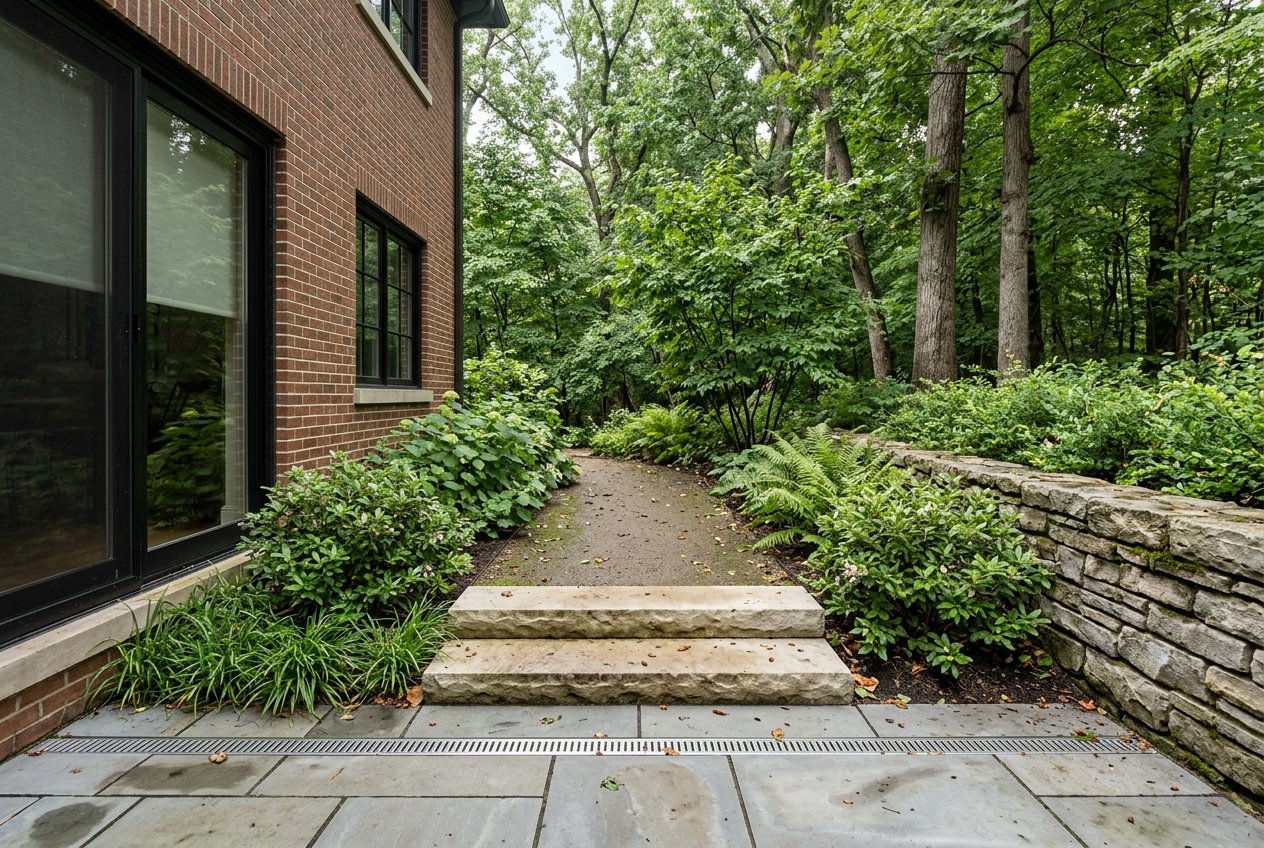
Wesley Heights feels different from many DC neighborhoods because of how closely it meets major green space. The area sits along the edge of Glover Archbold Park, with Battery Kemble Park nearby and access to the Capital Crescent Trail not far away. That combination gives the neighborhood an open, residential feel that can be hard to find in the city.
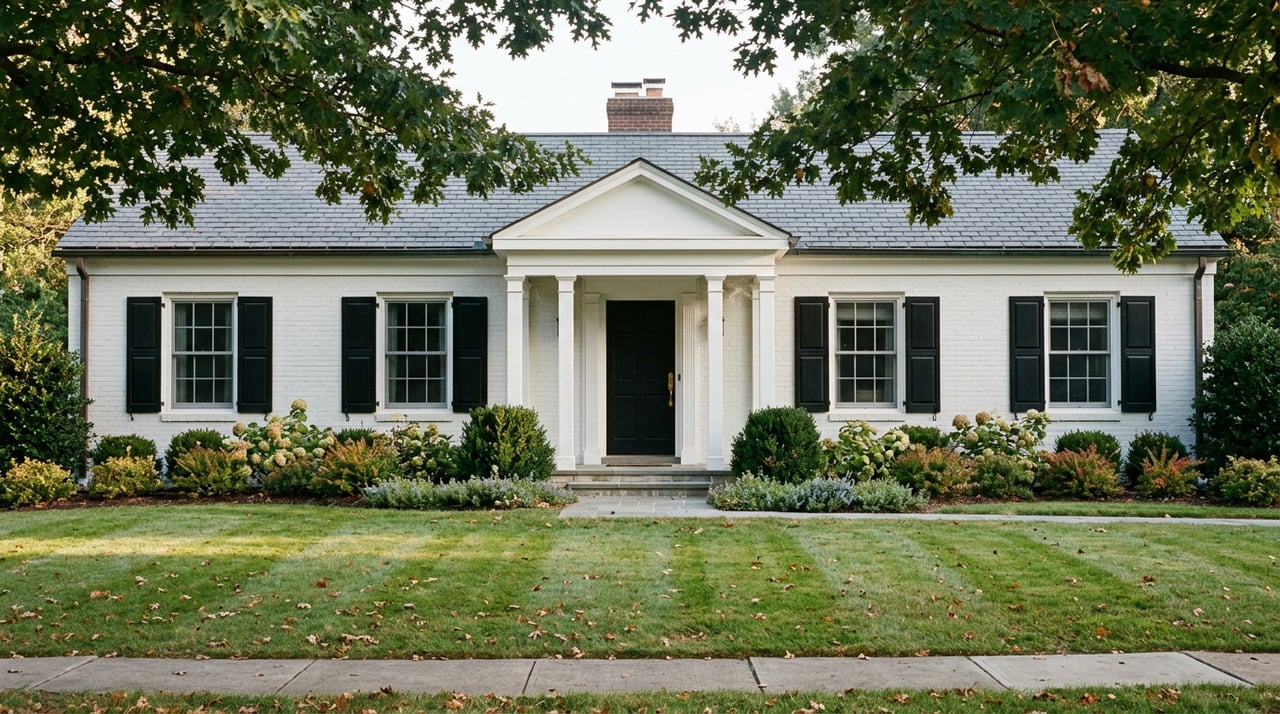
The neighborhood’s physical layout reinforces that feeling. The Wesley Heights overlay was created to preserve low-density character, trees, air and light, and a consistent front-yard rhythm. It also limits lot occupancy and keeps setbacks aligned with the block, which helps explain why the streets feel spacious and orderly.
In practical terms, Wesley Heights reads as more park-side residential than tight urban grid. Boundaries commonly described for the neighborhood include Nebraska Avenue and American University to the north, New Mexico Avenue to the east, Glover Archbold Park to the south, and Battery Kemble Park to the west. If you are looking for a DC address with a calmer visual pace, that setting is a big part of the appeal.
A more suburban form in DC
One of the clearest things to understand about Wesley Heights is that it feels more suburban in form than many other DC neighborhoods. It was planned during an automobile-era build-out, and that legacy still shapes how the neighborhood works today. You will notice it in the spacing between homes, the curving streets, and the overall sense of openness.
That lower-density character is not accidental. The neighborhood overlay specifically aims to protect trees, air and light, setbacks, and lot coverage patterns. For buyers, that often translates into a more consistent streetscape and a stronger sense of visual continuity from block to block.
If you are comparing Wesley Heights with denser parts of Northwest, the distinction is important. This is not a neighborhood defined by compact rowhouse blocks and storefront-heavy corners. It is better understood as a residential enclave with strong green-space access and a slower street rhythm.
Homes and streets with lasting character
Wesley Heights was built in layers, but much of its identity comes from early 20th-century planning and architecture. Historic references describe a 1920s Miller Company build-out as one of Washington’s first large-scale planned communities. The intent was to create a cohesive suburban-style enclave designed for the automobile age.
You can still see that planning logic in the housing stock today. Materials from DC preservation sources describe Colonial, Dutch Colonial, Spanish Colonial, and Tudor Revival homes. Many are two-story, five-bay, brick or stone-faced houses with gabled roofs, which contributes to the neighborhood’s composed and established look.
The terrain matters here too. Wesley Heights has rolling topography, and that encouraged curving streets and terraced retaining walls rather than a rigid grid. As you move through the neighborhood, the result feels leafy and estate-like, with a streetscape that is visually distinct from more densely built parts of the city.
What the parks add to daily life
For many people, the biggest draw of Wesley Heights is not just the homes. It is the way nearby parks can shape your routine. Living near Glover Archbold Park, Battery Kemble Park, and the Capital Crescent Trail gives you multiple options for outdoor time without traveling far.
Battery Kemble Park includes a trailhead, a scenic-view area, and visible fort remains. It is part of a National Park Service site and adds a strong sense of landscape and history to the neighborhood edge. If you like having open space nearby for a walk or a quiet reset, that is a meaningful lifestyle feature.
Glover Archbold Park brings a different kind of experience. The park stretches for 183 acres and includes a nearly 2.5-mile dirt trail intended for foot traffic only. Several streets bisect the park, and in some cases roads end at the edge and continue on the other side through footpaths, which adds to the feeling that the park is woven into the surrounding neighborhood fabric.
For biking and paved recreation, the Capital Crescent Trail plays an important role. Unlike Glover Archbold’s foot-traffic-only trail, the Capital Crescent Trail serves walkers, joggers, bikers, and rollerbladers. If your ideal neighborhood includes both wooded trails and a paved route for exercise or commuting-style rides, Wesley Heights benefits from being near both experiences.
Commute patterns and transit access
Wesley Heights is best viewed as a residential base with usable transit, not a transit-first neighborhood. That distinction matters if you are deciding whether the area fits your routine. The setting supports a quieter home environment, while buses and nearby Metro help connect you to the rest of DC.
Bus service runs along the western and northern edges of the neighborhood. WMATA station maps show service on Wisconsin Avenue via routes 31 and 33 near Tenleytown-AU, along with Massachusetts Avenue service via routes N2, N4, and N6 at Friendship Heights. That gives residents practical options for getting around, even if transit is not right outside every front door.
Tenleytown-AU is also described as roughly a mile away. For some buyers, that means Metro access is close enough to be useful while still leaving the neighborhood itself feeling quieter and more removed from heavy commercial activity. If you work in central DC, Wesley Heights can support a commute, but the neighborhood’s defining feature is still its residential and park-edge setting.
Who tends to appreciate Wesley Heights
Wesley Heights can be a strong fit if you value space, greenery, and architectural character. Buyers who want a calm residential environment often respond to the neighborhood’s low-density planning and park access. It can also appeal to people who want Northwest DC location benefits without feeling immersed in a more intense urban pattern.
This setting may be especially attractive if your daily routine includes walking, running, or spending time outdoors. Nearby trails and parks create easy opportunities for recreation close to home. At the same time, the neighborhood still offers workable connections to the broader city through nearby roads, buses, and Metro access points.
From a real estate perspective, Wesley Heights is often about tradeoffs in the best sense. You are not choosing this area because it is the most transit-centered or most commercial. You are choosing it because of its balance of residential quiet, established homes, and immediate access to major green space.
What to keep in mind as a buyer
If you are considering Wesley Heights, it helps to evaluate the neighborhood through a lifestyle lens as much as a property lens. The home itself matters, but so do the streetscape, proximity to park edges, and how you plan to move through your week. In a place like this, setting is part of the value.
A few practical questions can help you narrow your search:
- Do you want direct access to walking trails or paved biking routes?
- How important is nearby Metro versus a quieter residential block?
- Do you prefer a curving, lower-density neighborhood layout over a tighter city grid?
- Are you looking for architectural styles like Colonial or Tudor Revival?
- Does park adjacency add meaningful value to your daily routine?
These are the kinds of details that shape whether a home in Wesley Heights feels like the right fit long term. In Northwest DC, small differences in layout, access, and setting can have a big effect on how a neighborhood lives day to day.
If you are preparing to buy or sell in Wesley Heights, it helps to work with a team that understands those neighborhood-level distinctions. From housing style and block pattern to recreation access and commute tradeoffs, a clear strategy can help you make a more confident decision.
Let’s connect to discuss your real estate goals with Andrew Riguzzi.
FAQs
What is park-edge living like in Wesley Heights?
- Park-edge living in Wesley Heights means close access to Glover Archbold Park, Battery Kemble Park, and the Capital Crescent Trail, which adds quiet green space and outdoor recreation to daily life.
Is Wesley Heights more urban or suburban in feel?
- Wesley Heights generally feels more suburban in form, with lower-density planning, trees, setbacks, and a more open residential layout than many denser DC neighborhoods.
What kinds of homes are common in Wesley Heights?
- Wesley Heights is known for early 20th-century homes including Colonial, Dutch Colonial, Spanish Colonial, and Tudor Revival styles, often with brick or stone-facing and gabled roofs.
Can you commute from Wesley Heights without a car?
- Yes, transit is usable from Wesley Heights through nearby bus service and access to Tenleytown-AU and Friendship Heights areas, though the neighborhood is better understood as residential rather than transit-centered.
Are there biking and walking options near Wesley Heights?
- Yes, Glover Archbold Park offers a foot-traffic-only dirt trail, while the Capital Crescent Trail supports walking, jogging, biking, and rollerblading.
Why does Wesley Heights feel so open compared with other DC neighborhoods?
- The neighborhood’s low-density overlay, preserved setbacks, limited lot occupancy, rolling terrain, and proximity to major parks all contribute to its open and leafy feel.