Wondering whether Forest Hills is the right fit for your next home in Northwest DC? It is a smart question, especially when nearby options like Cleveland Park and Chevy Chase can look appealing for very different reasons. If you are trying to balance home style, renovation potential, walkability, and price, this comparison will help you sort through the real tradeoffs. Let’s dive in.
Why Forest Hills Stands Out
Forest Hills offers more variety than many buyers expect. According to Ward 3 planning materials, the neighborhood developed gradually and in smaller building waves, shaped by hills, stream valleys, and a street layout that had to adapt to the land.
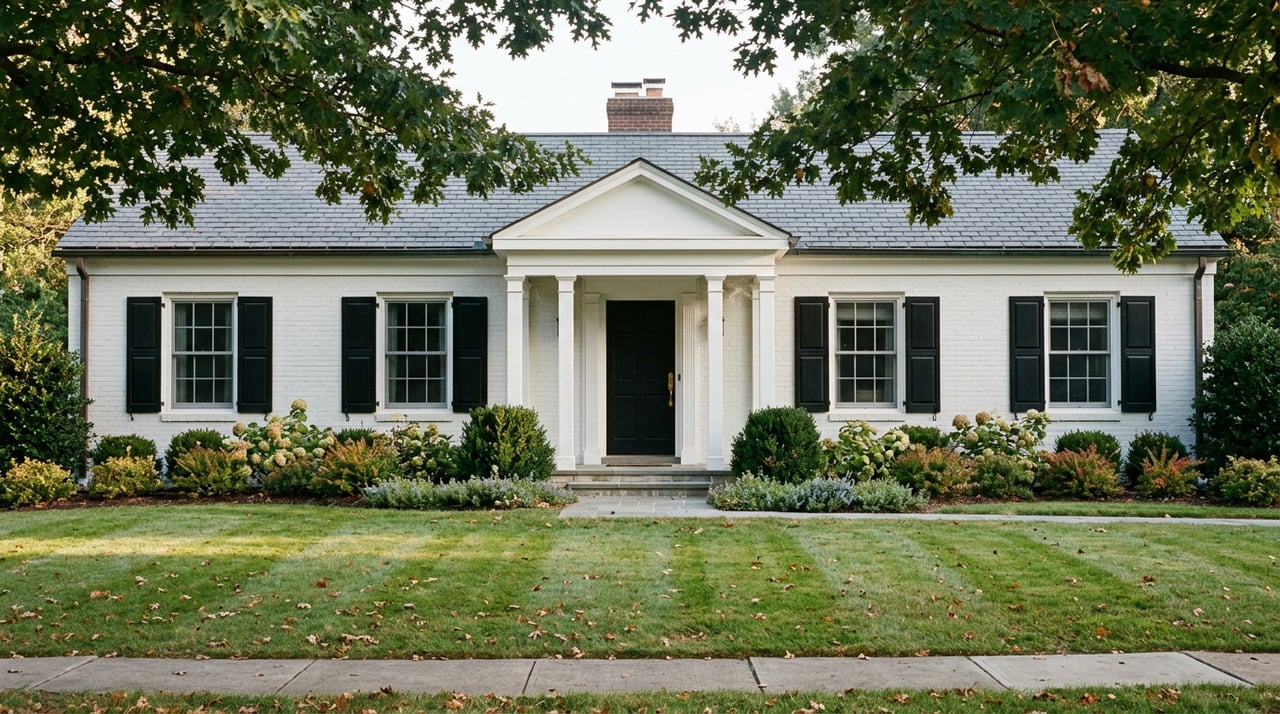
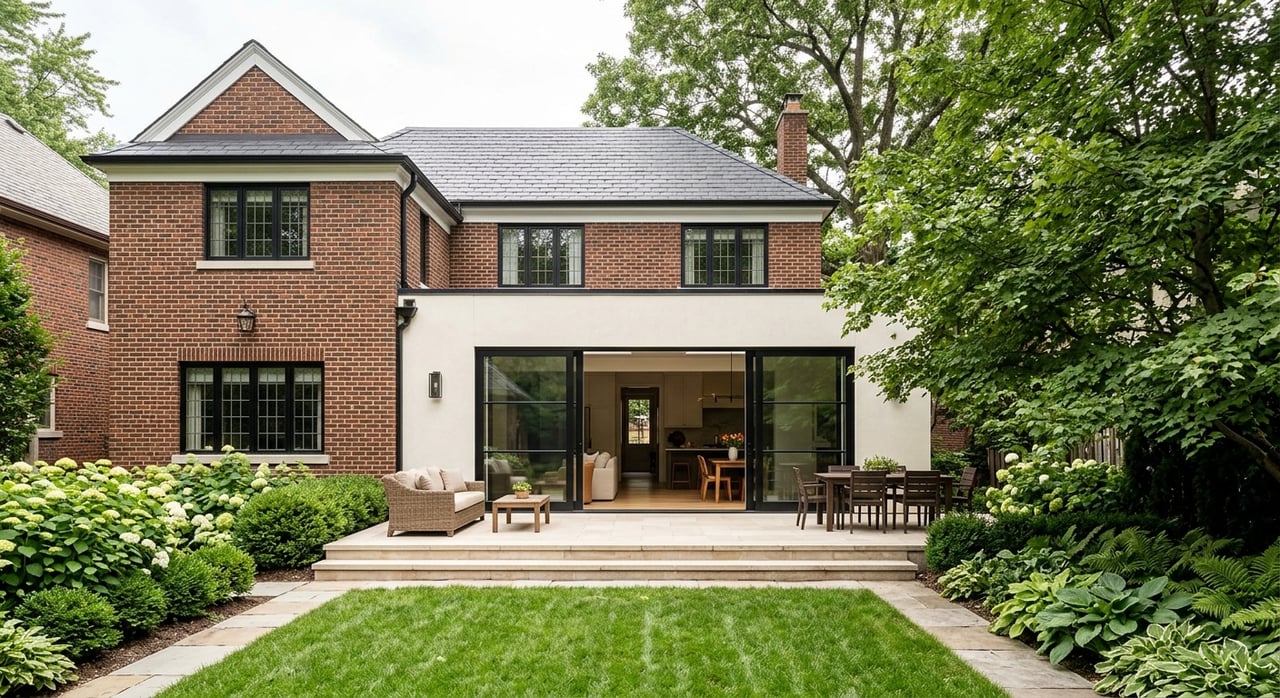
That history shows up in the housing stock today. You can find single-family homes, apartment-style properties, and architecture that ranges from Victorian to Modern. Compared with Cleveland Park and Chevy Chase, Forest Hills tends to feel the most visually mixed and the most parcel-specific.
Forest Hills vs. Cleveland Park
Housing character differs
Cleveland Park has a more established historic-residential identity. DC planning materials describe it as an earlier streetcar suburb with hilly terrain, curving streets, preserved estates, and country-cottage architecture.
Forest Hills feels less uniform. If you like a neighborhood where one block may feel very different from the next, Forest Hills may appeal to you more. If you want a stronger sense of consistent historic character, Cleveland Park may have the edge.
Renovation rules are a key tradeoff
This is one of the biggest differences for buyers to understand. Cleveland Park is a designated historic district, and DC preservation regulations apply to work affecting historic landmarks and districts.
In practical terms, that can mean more review for exterior changes, additions, and demolition decisions. Forest Hills, by contrast, appears to offer more flexibility on a block-by-block basis because its development pattern was more piecemeal and varied. For buyers who want renovation potential without a neighborhood-wide historic-district feel, Forest Hills may offer a simpler path.
Walkability feels different
Cleveland Park usually offers the stronger walk-to-retail lifestyle. Its Red Line station serves the upper Connecticut Avenue corridor, and WMATA notes that the station serves nearby shops and restaurants.
Forest Hills is also transit-friendly, but the daily convenience has a different flavor. The neighborhood is anchored by the Van Ness-UDC Red Line station, and planning materials describe Van Ness as a neighborhood retail center and institutional cluster with tenants like Giant, Starbucks, Bread Furst, Acacia Bistro, and Zips Dry Cleaners. That makes Forest Hills practical for everyday errands, even if it feels less boutique-oriented than Cleveland Park.
Forest Hills vs. Chevy Chase
Price and pace are usually higher in Chevy Chase
Chevy Chase-DC currently sits at a higher price point overall. As of May 2026, Redfin shows an all-home-type median of about $1.53 million in Chevy Chase-DC, compared with about $542,000 in Forest Hills.
That gap reflects more than just size or finishes. Chevy Chase-DC also tends to move faster. Redfin reports that homes there average about 18 days on market and often sell slightly above list, while Forest Hills averages about 47 days and generally sells around list price.
For you as a buyer, that can mean more pressure in Chevy Chase and a little more room to negotiate in Forest Hills. It does not guarantee a deal, but it does suggest a different buying experience.
Retail is stronger at the edges
Chevy Chase has a more concentrated retail pattern. Planning materials note that apartment buildings and low-rise neighborhood shops framed Connecticut Avenue, while Friendship Heights became a stronger regional draw for shops and restaurants.
That means the retail experience can feel more destination-based than evenly spread through interior residential blocks. Forest Hills, by comparison, offers practical convenience around Van Ness that is more tied to day-to-day needs and transit access.
Neighborhood feel is more residential in Chevy Chase
Chevy Chase was conceived as a streetcar suburb with side streets that became largely single-family residential. For buyers who want that more traditional upper Northwest single-family setting, Chevy Chase often checks the box.
Forest Hills can still offer large homes and high-end properties, but the neighborhood label includes a much wider mix. That broader mix gives you more entry points, but it also means you need to evaluate each pocket and property more closely.
What Forest Hills Costs in Real Terms
One of the most important things to know about Forest Hills is how wide the pricing range can be. Recent sales in the neighborhood include a one-bedroom condo at 3701 Connecticut Avenue NW for $195,000, another condo at 3883 Connecticut Avenue NW for $377,500, and a two-bedroom at 4701 Connecticut Avenue NW for $652,500.
At the same time, detached homes at 2901 Albemarle Street NW and 4656 Broad Branch Road NW sold for about $3.4 million and $4.9 million. That is a very broad spread, and it reinforces a key point: Forest Hills is not a one-price neighborhood.
If you are searching here, it helps to define your lane early. Are you comparing condos near Connecticut Avenue, larger attached or semi-detached options, or detached homes on bigger lots? Your experience in Forest Hills can look very different depending on that answer.
The Biggest Forest Hills Tradeoffs
You gain variety
Forest Hills gives you a broader menu of property types and architectural styles. That can be a real advantage if you want options beyond a single neighborhood mold.
It can also create opportunity if you are open to homes with character, unusual lots, or a layout that is not cookie-cutter. Buyers who value individuality often respond well to that mix.
You may give up some consistency
The flip side of variety is less predictability. Streetscapes, housing types, and property conditions can shift more noticeably from one block to another than they might in Cleveland Park or Chevy Chase.
That means your home search may require a more granular approach. You are not just buying Forest Hills in the abstract. You are buying a specific block, lot, and housing type within it.
You may have more renovation latitude
For buyers thinking long term, this can be a major plus. Forest Hills appears to offer more renovation potential than Cleveland Park, where historic district rules create more scrutiny for certain exterior changes.
That does not mean every project is simple. But if your goal is to improve, expand, or personalize a home over time, Forest Hills may offer a more flexible starting point.
You get practical convenience, not a full retail corridor
Forest Hills is well positioned for daily errands and Red Line access through Van Ness-UDC. For many buyers, that is exactly what they want.
Still, if your priority is stepping out the door into a stronger lineup of restaurants and shops, Cleveland Park may feel more intuitive. Forest Hills tends to deliver convenience in a more practical, transit-oriented way.
Who Forest Hills Fits Best
Forest Hills tends to fit buyers who want one or more of the following:
- A wider mix of home types and price points
- A quieter residential setting with varied streets and lots
- Access to the Red Line and everyday retail near Van Ness
- Potential renovation flexibility compared with a historic district setting
- More negotiating room than a faster-moving market like Chevy Chase
If your top priority is historic character and easy walk-to-retail access, Cleveland Park may be the better fit. If you want a more premium single-family profile and are comfortable with faster competition and higher price points, Chevy Chase may make more sense.
How to Compare These Neighborhoods Strategically
When buyers compare Forest Hills, Cleveland Park, and Chevy Chase, it helps to rank your priorities before you start touring. Most decisions come down to four core questions.
How much home variety do you want?
If you want flexibility across condos, larger homes, and more unusual properties, Forest Hills is often the strongest match. If you want a more defined neighborhood identity, Cleveland Park or Chevy Chase may feel easier to navigate.
How important is renovation freedom?
If you expect to make meaningful exterior changes over time, understanding preservation review is essential. Cleveland Park carries the clearest historic-district review structure, while Forest Hills may offer more flexibility depending on the property.
What kind of walkability matters most?
Some buyers mean coffee, groceries, and Metro when they say walkability. Others mean a stronger restaurant and retail corridor. Forest Hills does well on practical daily convenience, while Cleveland Park tends to offer the fuller walk-to-retail experience.
How competitive can your search be?
Chevy Chase usually brings the fastest pace and highest typical pricing of the three. Forest Hills and Cleveland Park often provide a little more breathing room, which can matter if you want more time to evaluate tradeoffs carefully.
Forest Hills works best when you want options. It gives you a more varied housing mix, practical access to Van Ness, and a buying experience that can feel less rigid than nearby alternatives. For many buyers, that balance is exactly the point.
If you are weighing Forest Hills against Cleveland Park or Chevy Chase, a property-by-property strategy matters more than broad neighborhood labels. To talk through your options and build a smart plan, connect with Andrew Riguzzi.
FAQs
What makes Forest Hills different from Cleveland Park for homebuyers?
- Forest Hills generally offers more variety in housing types and architecture, while Cleveland Park has a stronger historic-residential identity and more established walk-to-retail access.
What is the main renovation tradeoff in Forest Hills compared with Cleveland Park?
- Cleveland Park is a designated historic district with preservation review for certain changes, while Forest Hills appears to offer more block-by-block flexibility for buyers thinking about future updates.
How does Forest Hills compare with Chevy Chase on price?
- As of May 2026, Redfin shows an all-home-type median of about $542,000 in Forest Hills versus about $1.53 million in Chevy Chase-DC, though both neighborhoods include a wide range of property types.
Is Forest Hills walkable for daily errands in DC?
- Yes. Forest Hills is anchored by the Van Ness-UDC Red Line station and nearby retail such as grocery, dining, and service businesses, though the retail feel is more practical than boutique-focused.
What kinds of homes can you find in Forest Hills, DC?
- Forest Hills includes condos, apartment-style housing, and detached homes, with architecture ranging from Victorian to Modern and prices that can span from entry-level condos to multi-million-dollar houses.
Who is Forest Hills best suited for in Northwest DC?
- Forest Hills is often a strong fit if you want more housing variety, a quieter residential setting, practical transit access, and potential renovation flexibility compared with a more preservation-driven neighborhood.