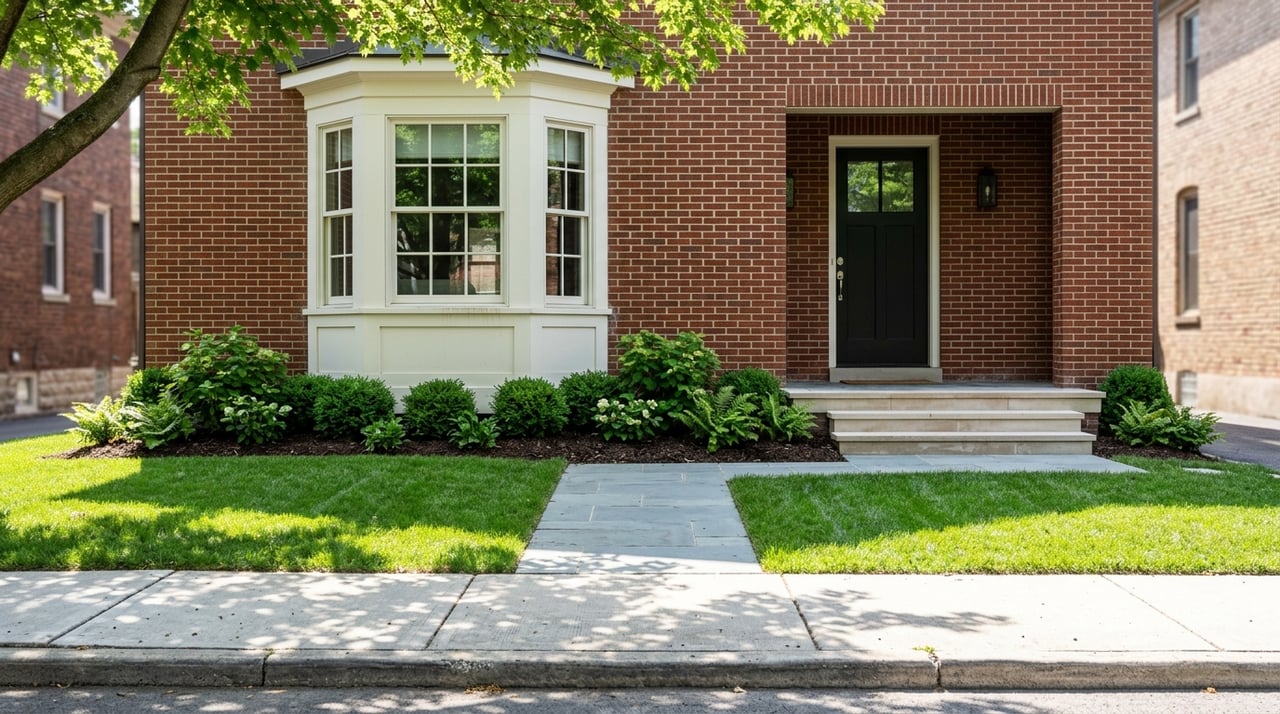
If you want a DC neighborhood that feels connected without feeling rushed, Cleveland Park is worth a closer look. Everyday life here blends city convenience with a calmer, more residential rhythm, which can matter a lot when you are deciding where you want to live. From Metro access and small-scale retail to library visits and time in Rock Creek Park, this neighborhood offers a practical picture of what day-to-day living can look like. Let’s dive in.
What Cleveland Park feels like
Cleveland Park has a distinct identity in Northwest DC. Local planning sources describe it as a historic district with residences, apartment buildings, neighborhood retail, and a strong human scale.
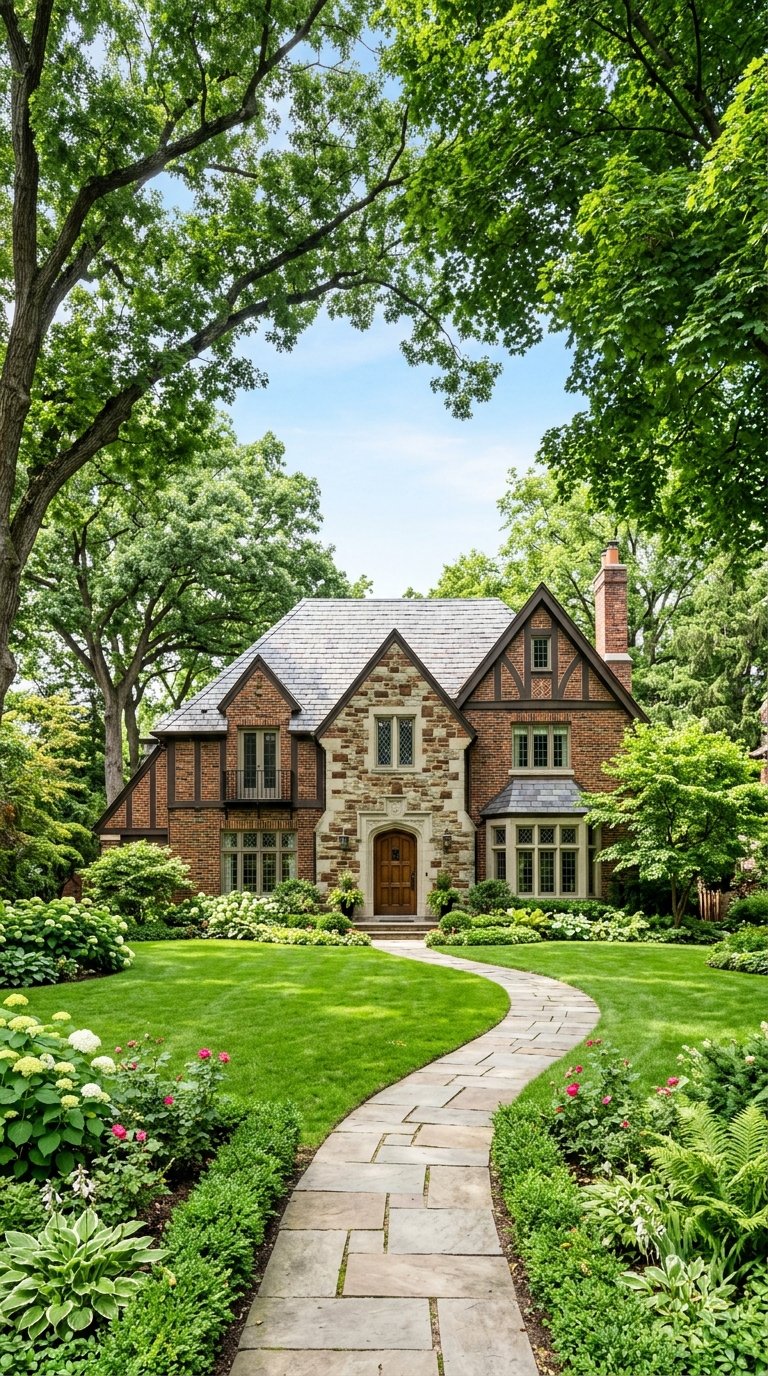
That character comes in part from its history as one of Washington’s streetcar suburbs in the 1890s. The neighborhood is known for hilly streets, large trees, generous front yards, curving roads, and open space, which creates a leafy, settled feel that stands apart from denser parts of the city.
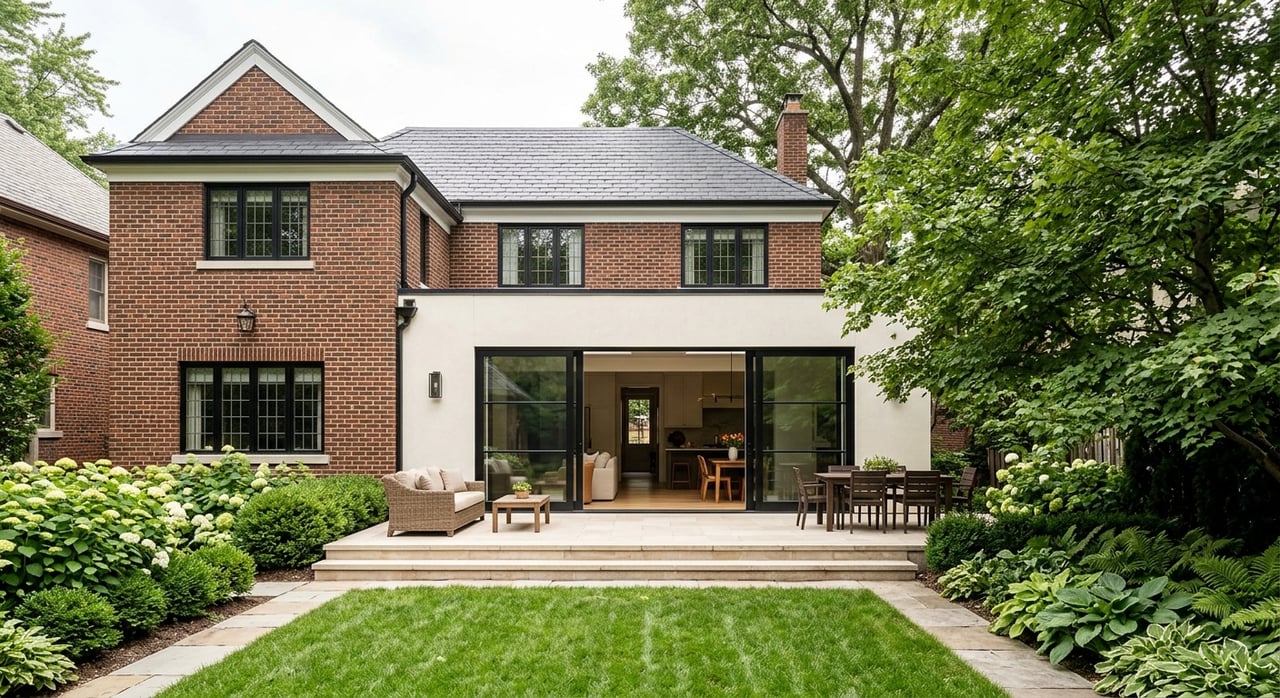
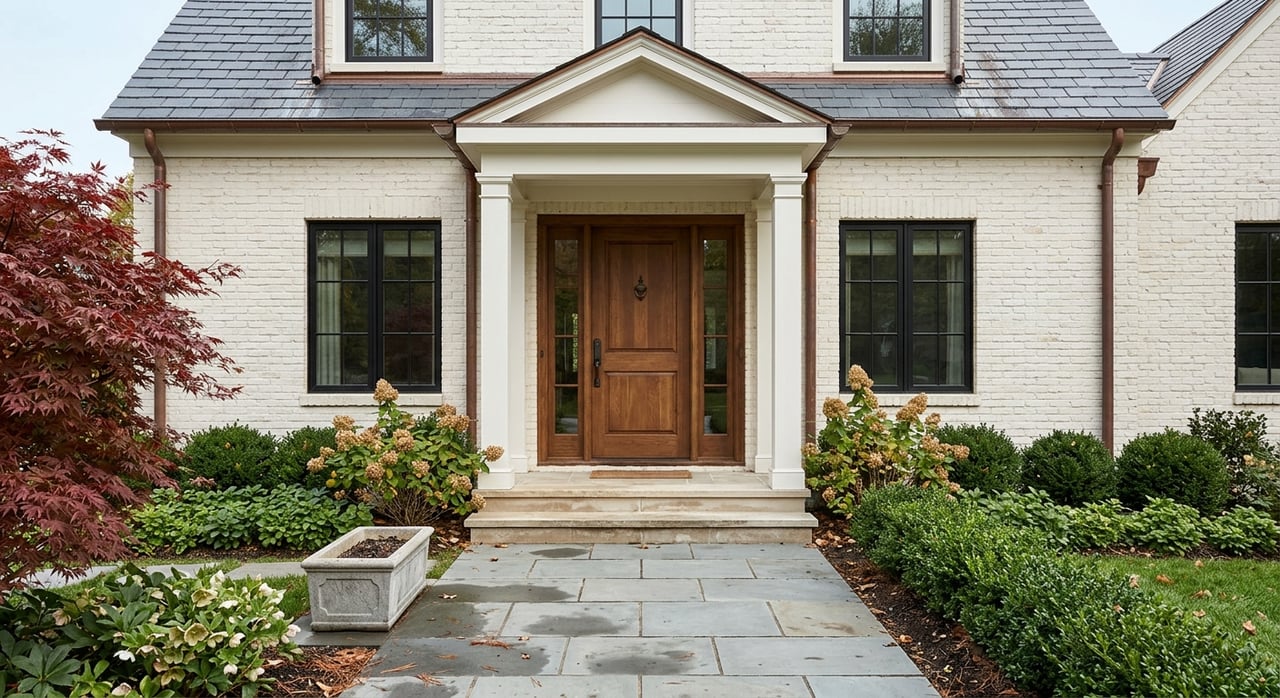
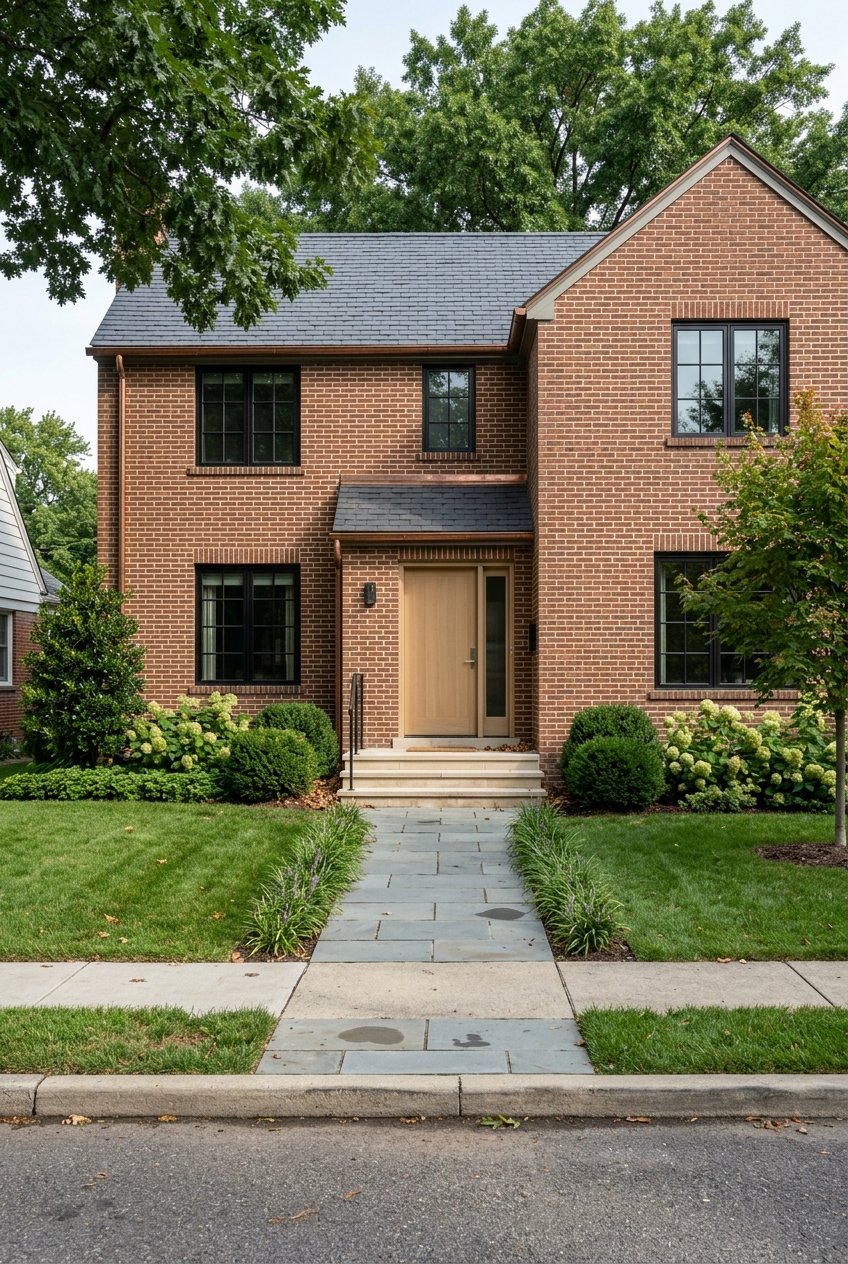
You also see that variety in the built environment. Housing types include older estates, late-Victorian suburban homes, early-20th-century single-family houses, duplexes, garden apartments, larger apartment buildings, and mixed-use buildings along Connecticut Avenue.
As you walk from block to block, the architecture can change quickly. Planning documents note styles ranging from Carpenter Gothic and Queen Anne to Tudor Revival, Art Deco, International Style, and more contemporary forms.
Daily routines in Cleveland Park
One of the clearest things about everyday life in Cleveland Park is that it works well on foot. In a DC Office of Planning public-life study, 61% of respondents arrived on foot, while 16% came by transit and 19% by car.
That tells you something important about how the neighborhood functions. Cleveland Park is less about rushing through and more about moving between nearby destinations for errands, meals, and regular routines.
A typical day might include a short walk along Connecticut Avenue, a stop at a local business, and an easy trip back home without needing to cross a large commercial district. The area’s public-life study also describes it as more neighborhood-serving than visitor-serving, with people spending time on outdoor dining, civic activity, and the farmers market.
Connecticut Avenue shapes daily life
Connecticut Avenue is the neighborhood’s main spine, but it does not read like an oversized corridor. DC planning guidance describes it as an unusually intact 1920s- and 1930s-era neighborhood retail and apartment corridor, with mostly one- and two-story storefront buildings and mixed-use structures.
That low-scale design matters in everyday life. It makes quick errands, coffee runs, and casual dinners feel close at hand rather than built around a major destination district.
Instead of one large center, Cleveland Park tends to function through a string of smaller anchors. In practical terms, daily life often revolves around the library, the farmers market, neighborhood dining, Metro access, and short walks up and down the avenue.
Metro makes the neighborhood practical
For many buyers, convenience starts with transit access. WMATA’s Cleveland Park station sits on the Red Line, with entrances on both sides of Connecticut Avenue north of Ordway Street NW.
That setup supports the kind of routine many people want in DC. You can handle a commute, meet friends after work, or make a quick stop for dinner or errands without turning every outing into a long trip.
WMATA also notes the station as a stop for the upper portion of Connecticut Avenue’s shops and restaurants. In real life, that means Metro is tied directly to the neighborhood’s day-to-day usefulness, not just to commuting.
Rock Creek Park is part of the lifestyle
Cleveland Park’s location near Rock Creek Park is one of its biggest everyday advantages. The park is open during daylight hours, free to enter, and offers more than 30 miles of hiking trails across nearly 3,000 acres.
For residents, that can make outdoor time feel easy instead of occasional. A morning walk, an after-work run, or a quieter weekend outing can fit naturally into your routine.
That access also changes how the neighborhood feels overall. Even when you are close to Metro and a commercial corridor, you are still near one of the city’s major open-space resources.
Community anchors residents actually use
Some neighborhood amenities sound good on paper but do not shape real daily habits. In Cleveland Park, a few anchors clearly do.
Cleveland Park Library
The Cleveland Park Library is a major part of neighborhood life. DC Public Library says the building was rebuilt in 2018 with community input and includes open gathering space, large meeting rooms, a reading garden, Wi-Fi, computers, study rooms, and regular events and services.
That mix makes it more than a place to check out books. It is a practical resource for work, study, meetings, and community activity.
Cleveland Park Farmers Market
The Cleveland Park Farmers Market adds another steady rhythm to the week. It takes place on Saturdays from 9 a.m. to 1 p.m. at 3400 Connecticut Avenue NW, and FRESHFARM describes it as a neighborhood staple for local food, goods, and educational resources.
For many residents, that kind of recurring event helps define how a neighborhood feels over time. It creates a reliable reason to be outside, see neighbors, and build routines around local activity.
A neighborhood that is historic, not frozen
Cleveland Park is often described as historic and preserved, and that is true. But it is also a neighborhood where the public realm continues to evolve.
DDOT’s Cleveland Park Streetscape and Drainage Improvement project covers Connecticut Avenue from Macomb Street NW to Quebec Street NW. The work includes drainage improvements, native tree plantings, permeable pavers, curb extensions, crosswalk striping, bike racks, trash cans, and ADA curb-ramp upgrades.
That kind of investment affects daily life in visible ways. It can improve walking conditions, support accessibility, and strengthen the experience of using the neighborhood’s main corridor.
There is also the Connecticut Avenue Multimodal Safety Improvement Project, which is intended to improve safety and reduce crashes along the corridor. Taken together, these efforts suggest that Cleveland Park is not standing still. It is preserving its identity while continuing to adapt around walking, crossing, biking, and transit use.
What buyers should notice
If you are considering a move to Cleveland Park, the biggest takeaway is that this is a neighborhood built around practical livability. It offers a mix of housing types, a walk-oriented commercial strip, direct Red Line access, and everyday amenities that are easy to use.
It can appeal to buyers looking for different things. Some may focus on the historic homes and leafy streets, while others may be drawn to apartment living near Metro and neighborhood retail.
The key is understanding how those tradeoffs fit your priorities. In Cleveland Park, lifestyle is often less about headline amenities and more about whether you value a human-scale setting where errands, transit, green space, and neighborhood routines all work together.
Why Cleveland Park stands out
In a city with many well-known neighborhoods, Cleveland Park stands out for balance. It offers proximity to the rest of DC, but it also keeps a distinct local rhythm shaped by history, walkability, and access to open space.
You are not choosing between urban convenience and a more relaxed daily pace in quite the same way you might elsewhere. Cleveland Park offers a version of both, and that is a big reason it continues to attract attention from buyers who want a neighborhood they can truly live in day after day.
If you want help evaluating Cleveland Park or comparing it with other DC neighborhoods, Andrew Riguzzi can help you think through the housing options, tradeoffs, and timing with a clear local strategy.
FAQs
What is everyday life like in Cleveland Park, DC?
- Everyday life in Cleveland Park is shaped by walkable routines, a low-scale Connecticut Avenue commercial strip, Red Line Metro access, nearby Rock Creek Park, and community anchors like the library and farmers market.
How do people get around Cleveland Park, DC?
- Cleveland Park is strongly walk-oriented, and the DC Office of Planning public-life study found that 61% of respondents arrived on foot, 16% by transit, and 19% by car.
What types of homes are in Cleveland Park, DC?
- Cleveland Park has a wide mix of housing, including historic estates, single-family homes, duplexes, garden apartments, large apartment buildings, and mixed-use residential buildings along Connecticut Avenue.
Is Cleveland Park, DC close to Metro?
- Yes. WMATA’s Cleveland Park station is on the Red Line, with entrances on both sides of Connecticut Avenue north of Ordway Street NW.
What outdoor space is near Cleveland Park, DC?
- Rock Creek Park is nearby and offers more than 30 miles of hiking trails across nearly 3,000 acres, making it a practical part of daily outdoor life for many residents.
What community amenities are in Cleveland Park, DC?
- Key amenities include the Cleveland Park Library and the Cleveland Park Farmers Market, along with neighborhood-serving shops and restaurants along Connecticut Avenue.