Trying to decide whether to rent or buy in Cleveland Park? You are not alone. This Northwest DC neighborhood offers a rare mix of classic apartments, condos, townhouses, and detached homes, which makes the choice feel exciting but also a little tricky. If you are weighing flexibility against long-term ownership, this guide will help you think through the real numbers, the housing options, and the local factors that matter most in Cleveland Park. Let’s dive in.
Cleveland Park at a Glance
Cleveland Park is not just another DC neighborhood. It is a historic Ward 3 streetcar suburb with a development pattern that still shapes daily life today. Along Connecticut Avenue, you will find the neighborhood’s commercial core with shops, restaurants, apartments, and nearby residential streets that transition into townhouses and detached homes.
That layout matters when you are deciding whether to rent or buy. It means Cleveland Park gives you access to several housing types within one neighborhood, which is not always easy to find in DC. It also helps explain why the area appeals to both renters who want convenience and buyers who want a longer-term home base.
Transit is another big part of the picture. Cleveland Park and nearby Woodley Park are both on Metro’s Red Line, and both stations operate without dedicated parking. In practical terms, that supports the neighborhood’s walkable, transit-oriented feel and can make it easier to live here without relying as heavily on a car.
Renting in Cleveland Park
For many people, renting in Cleveland Park is the easier first step. Realtor.com’s March 2026 snapshot showed 20 rentals in the neighborhood with a median asking rent of about $2,300 per month. Current listing examples also show a wide spread, from a studio around $1,188 to a one-bedroom near $2,200 and a larger house at $7,200.
That range tells you something important. Renting here is less about whether Cleveland Park is desirable and more about which type of property fits your budget and lifestyle. You may be looking for a smaller apartment close to Connecticut Avenue, or you may need more space and be comparing house rentals at a much higher monthly cost.
Renting can make sense if you want to keep your options open. If you expect job changes, a move within a few years, or simply want to learn the neighborhood before committing, a lease can give you that flexibility. It can also help you avoid tying up cash in a down payment and closing costs.
Another advantage is predictability. While rent can still be substantial in Cleveland Park, renters usually avoid the added layers of ownership costs such as property taxes, homeowners insurance, maintenance, and repair bills. If your top priority is simpler monthly budgeting, renting may feel more manageable.
When Renting May Be the Better Fit
Renting may be the stronger choice if you:
- Expect to move within a shorter time frame
- Want to test Cleveland Park before buying
- Prefer lower upfront costs
- Do not want to handle repairs or long-term upkeep
- Are still deciding which home style suits you best
In a neighborhood with apartments, condos, co-ops, townhouses, and detached homes, renting can give you time to sort out what actually fits your routine.
Buying in Cleveland Park
Buying in Cleveland Park can offer stability and long-term ownership benefits, but it is not a low-cost move. Zillow’s April 2026 neighborhood data put the typical home value at $671,075 and the median list price at $407,500. Realtor.com’s March 2026 snapshot showed 47 homes for sale, a median 56 days on market, and homes closing at 97% of asking on average.
Those numbers should be treated as a market snapshot, not a single definitive price point. Different platforms use different methods, and Cleveland Park includes several housing types that can create a wide price spread. Still, the data points in the same direction: buyers can find opportunities here, but they need to be realistic about total cost.
Monthly payment is only part of the story. DC residential property is taxed at $0.85 per $100 of assessed value, which adds to your ongoing ownership expenses. If the home will be your primary residence, the DC Homestead Deduction can reduce assessed value by $91,950 for tax year 2026 and save $781.58 annually on the tax bill.
Closing costs also matter in DC. Most residential transfers at $400,000 or more are subject to both a 1.45% deed recordation tax and a 1.45% deed transfer tax. Qualified first-time homebuyers can receive a reduced 0.725% recordation tax rate on houses and condo units, which can improve the math, but buyers still need to plan carefully for cash needed at closing.
Freddie Mac reported a 30-year fixed mortgage average of 6.36% as of May 14, 2026. Using Cleveland Park’s current median list price as an example, a purchase with 20% down plus DC property tax works out to about $2,300 per month before HOA fees, homeowners insurance, and maintenance. Once you add those costs, owning can quickly exceed the monthly cost of renting.
When Buying May Be the Better Fit
Buying may make more sense if you:
- Expect to stay in Cleveland Park for several years
- Have enough cash for down payment and closing costs
- Want more control over your living space
- Are comfortable with repairs, insurance, and maintenance
- See value in building long-term ownership rather than preserving flexibility
If your time horizon is longer and you are prepared for the full cost of ownership, buying can be a strong move. The key is making sure your budget reflects the real carrying costs, not just the mortgage payment.
Rent vs. Buy: The Real Tradeoff
In Cleveland Park, the rent-versus-buy decision often comes down to flexibility versus commitment. Renting may offer a similar monthly outlay to an entry-level ownership scenario, but buying usually comes with more upfront cash needs and more ongoing responsibilities. That is why the right answer is personal, even in the same neighborhood.
A simple way to think about it is this: renting buys you time and mobility, while buying gives you more permanence and ownership benefits if you stay long enough. Cleveland Park makes that tradeoff especially clear because its transit access and apartment inventory support renters, while its ownership costs require a more deliberate financial plan.
Here is a quick side-by-side view:
| Factor | Renting in Cleveland Park | Buying in Cleveland Park |
|---|---|---|
| Upfront cost | Usually lower | Higher due to down payment and closing costs |
| Monthly predictability | Often simpler | Mortgage, taxes, insurance, HOA, maintenance |
| Flexibility | Higher | Lower |
| Long-term commitment | Shorter | Better for longer stays |
| Responsibility for repairs | Typically limited | Primarily yours |
Housing Type Matters Here
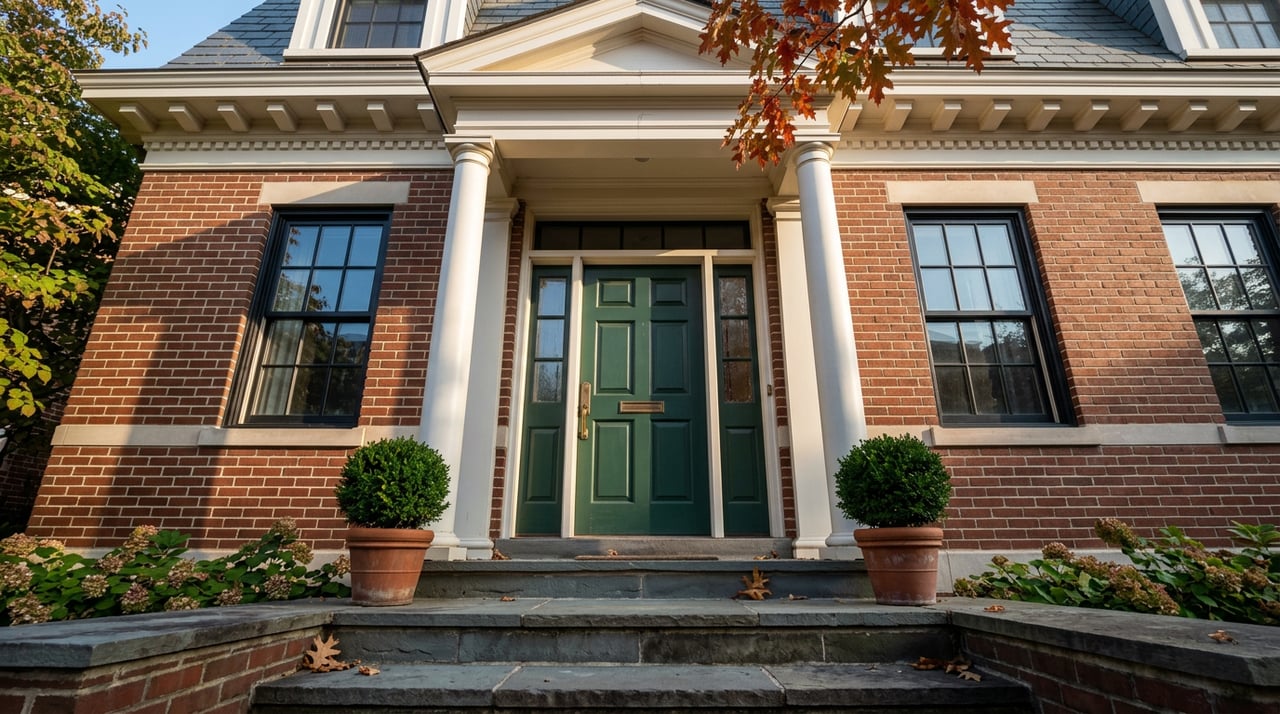
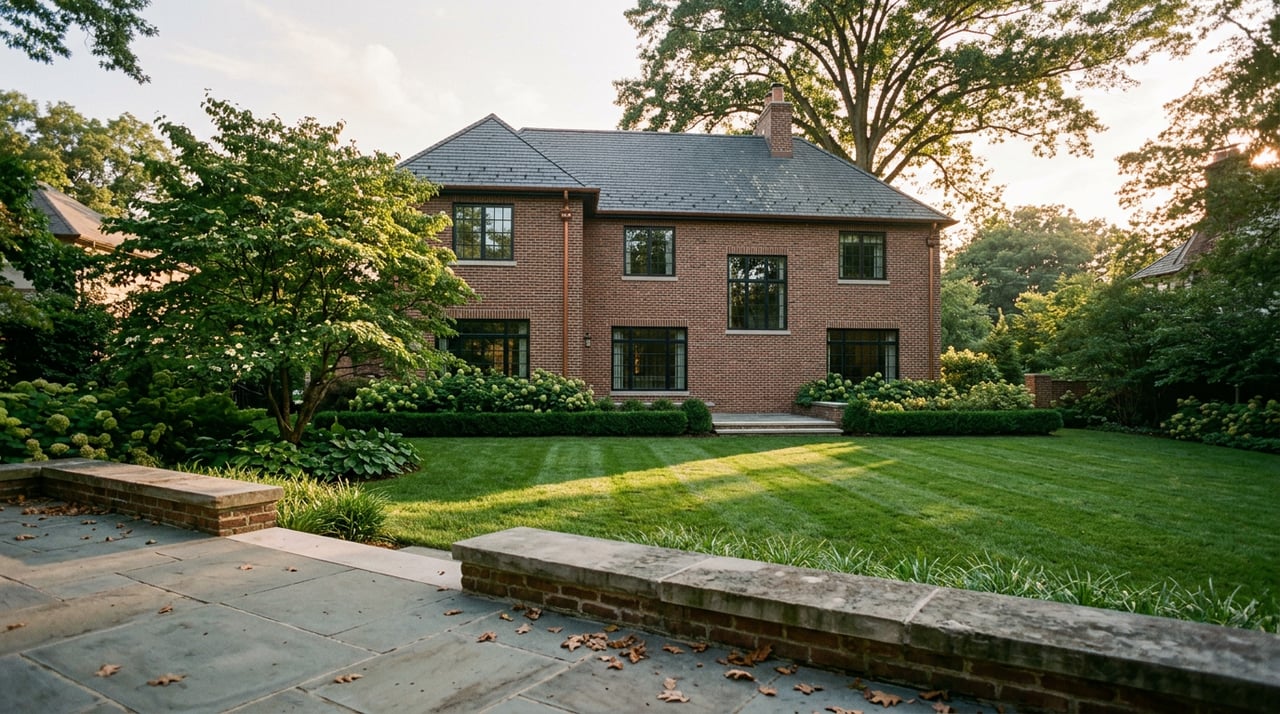
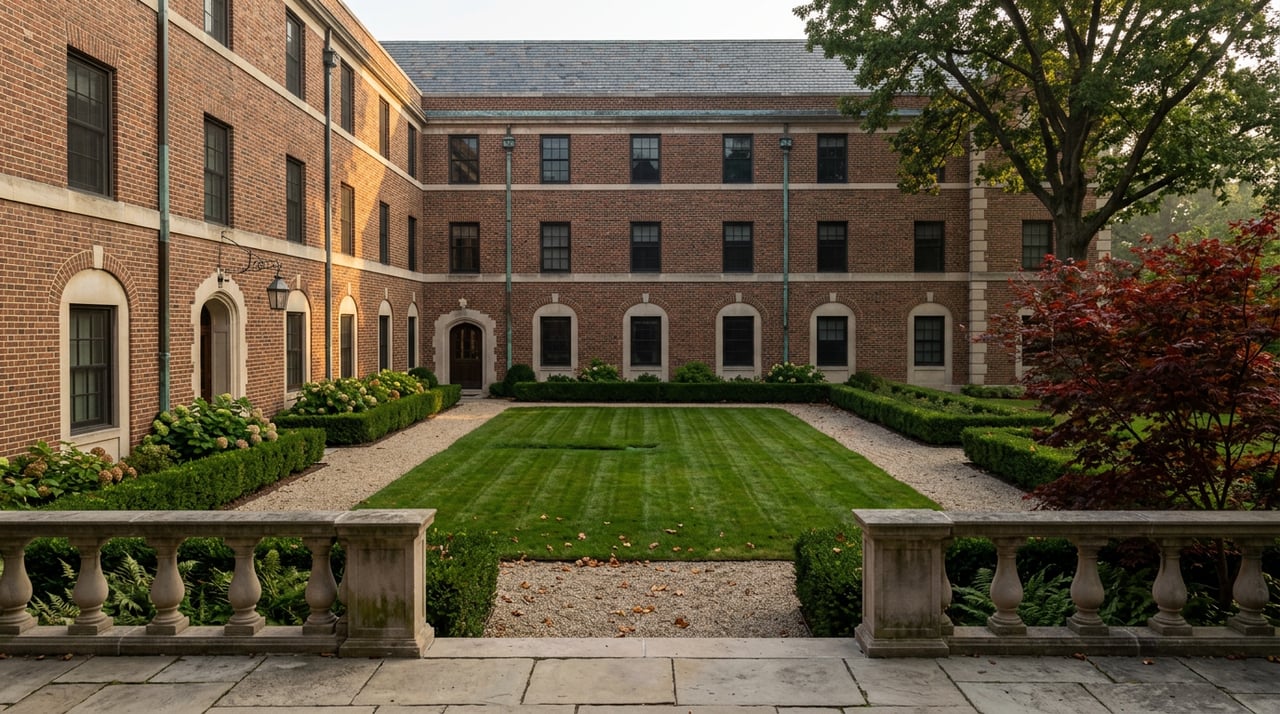
One reason this decision feels different in Cleveland Park is the housing mix. The neighborhood includes apartments near the commercial corridor, along with townhouses and detached homes farther out. That means your rent-or-buy decision is also a choice about how you want to live day to day.
If you want a lower-maintenance setup near shops and Metro, an apartment or condo may be the most natural fit. If you need more square footage or want a more traditional house setting, your costs can rise quickly whether you rent or buy. The best option often comes down to the building type, not just the neighborhood name.
Historic District Considerations
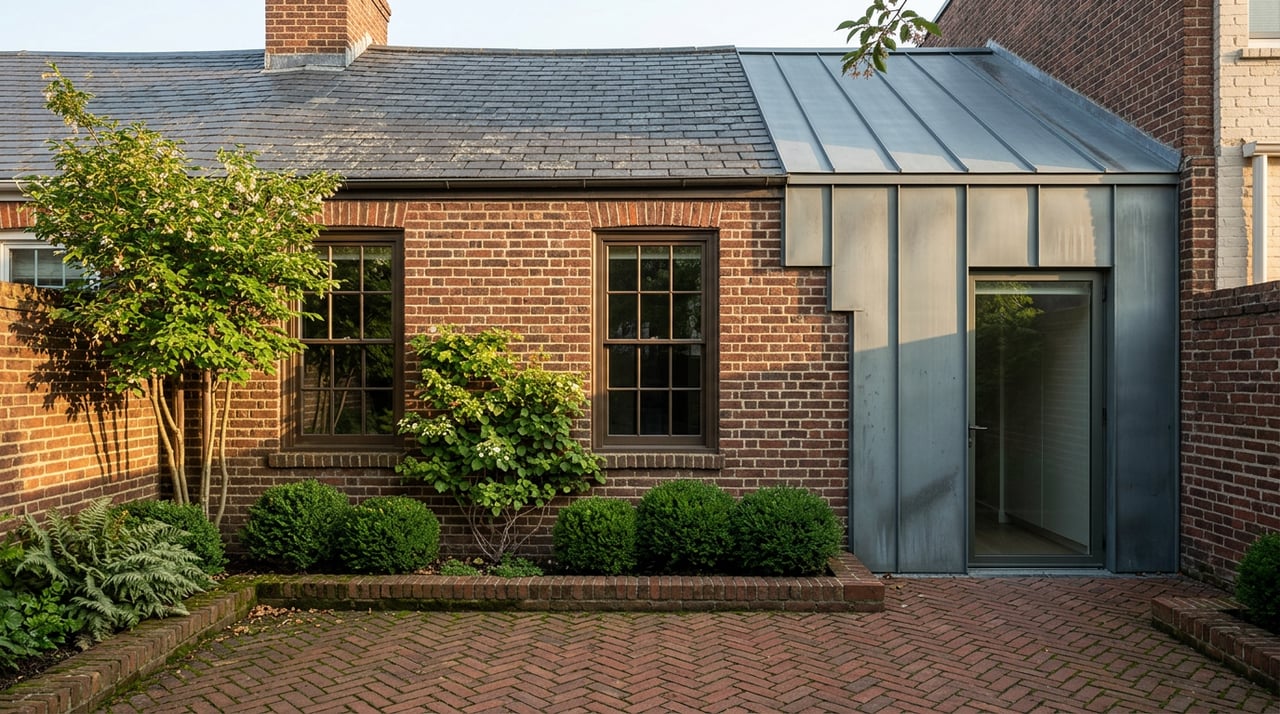
If you are thinking about buying with plans to renovate or customize, Cleveland Park’s historic status deserves extra attention. The neighborhood has been a historic district since 1987, and DC’s Historic Preservation Review Board and Historic Preservation Office use design guidelines to review work affecting historic properties.
That does not mean buying here is off limits for someone with renovation plans. It does mean exterior changes, additions, and major facade work may involve more review and more time than they would in a non-historic area. If customization is part of your plan, that should be part of your decision before you buy.
Questions to Ask Yourself First
Before you choose between renting and buying in Cleveland Park, ask yourself a few practical questions:
- How long do you expect to stay?
- Do you want an apartment, condo, co-op, rowhome, or detached house?
- Can your budget comfortably absorb taxes, maintenance, insurance, and possible HOA dues?
- Do you want flexibility, or are you ready for a longer-term commitment?
- If buying, are you considering exterior changes that could trigger historic preservation review?
These questions matter more than trying to time the market perfectly. In a neighborhood like Cleveland Park, a smart decision usually comes from matching your financial picture and lifestyle goals to the right housing type.
If you are comparing options right now, it helps to look at the full picture rather than just the list price or monthly rent. Cleveland Park offers real variety, but that variety comes with tradeoffs that deserve a careful, local read. If you want help sorting through those tradeoffs and finding the right path for your timeline, budget, and goals, Andrew Riguzzi can help you build a clear plan.
FAQs
Is renting in Cleveland Park cheaper than buying?
- It can be, especially when you factor in down payment needs, closing costs, property taxes, insurance, HOA fees, and maintenance that come with ownership.
What is the typical rent in Cleveland Park?
- Realtor.com’s March 2026 snapshot showed a median asking rent of about $2,300 per month, with current listings ranging from roughly $1,188 for a studio to $7,200 for a larger house.
What are home prices like in Cleveland Park?
- Recent data show a range rather than one fixed number, with Zillow reporting an April 2026 typical home value of $671,075 and a median list price of $407,500.
How long should you plan to stay before buying in Cleveland Park?
- Buying tends to make more sense if you expect to stay for several years and can absorb the upfront and ongoing costs of ownership.
Are there historic district rules for Cleveland Park homes?
- Yes. Buyers planning additions, visible exterior changes, or major facade work may need to go through DC historic preservation review.
Is Cleveland Park a good neighborhood for car-free living?
- It can be a practical option for transit-oriented households because the neighborhood is served by the Red Line and has a walkable commercial core along Connecticut Avenue.