If you are trying to make sense of Cleveland Park real estate, the numbers can feel a little confusing at first. One data source calls it somewhat competitive, another calls it a buyer’s market, and both are looking at the same neighborhood. The good news is that the raw data tells a more useful story, and once you understand the mix of homes here, the market becomes much easier to read. Let’s dive in.
Cleveland Park at a Glance
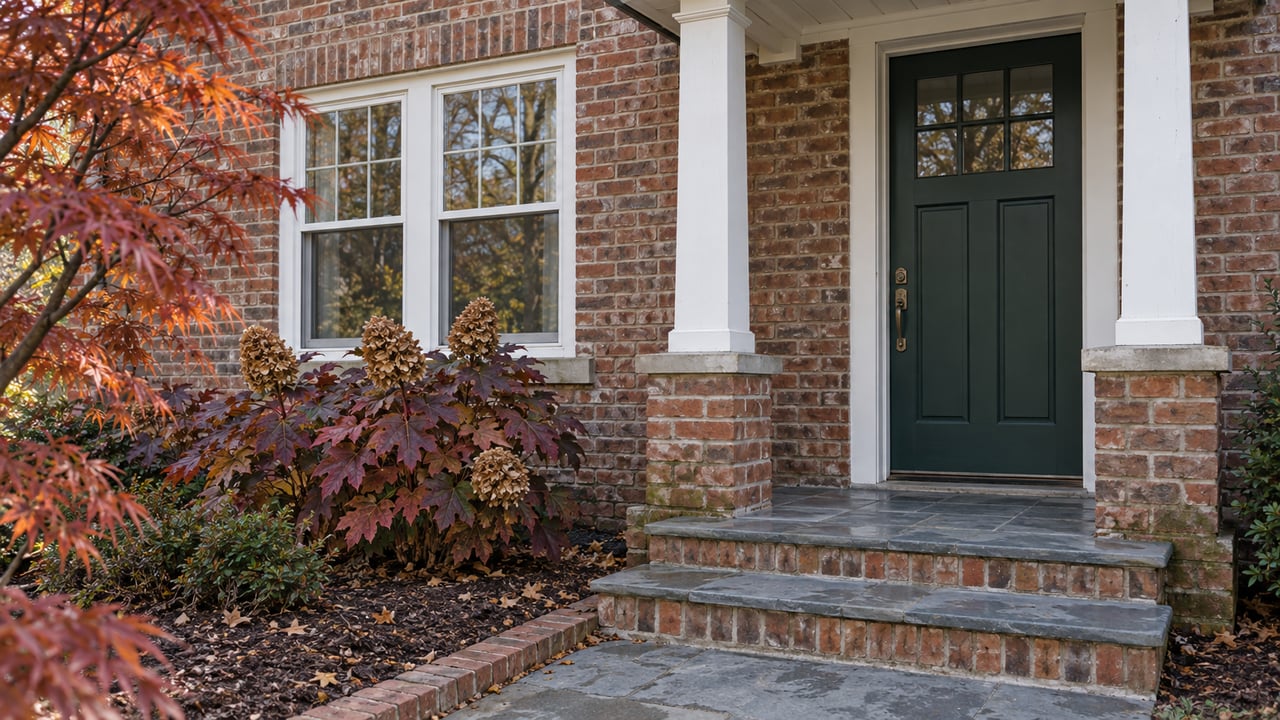
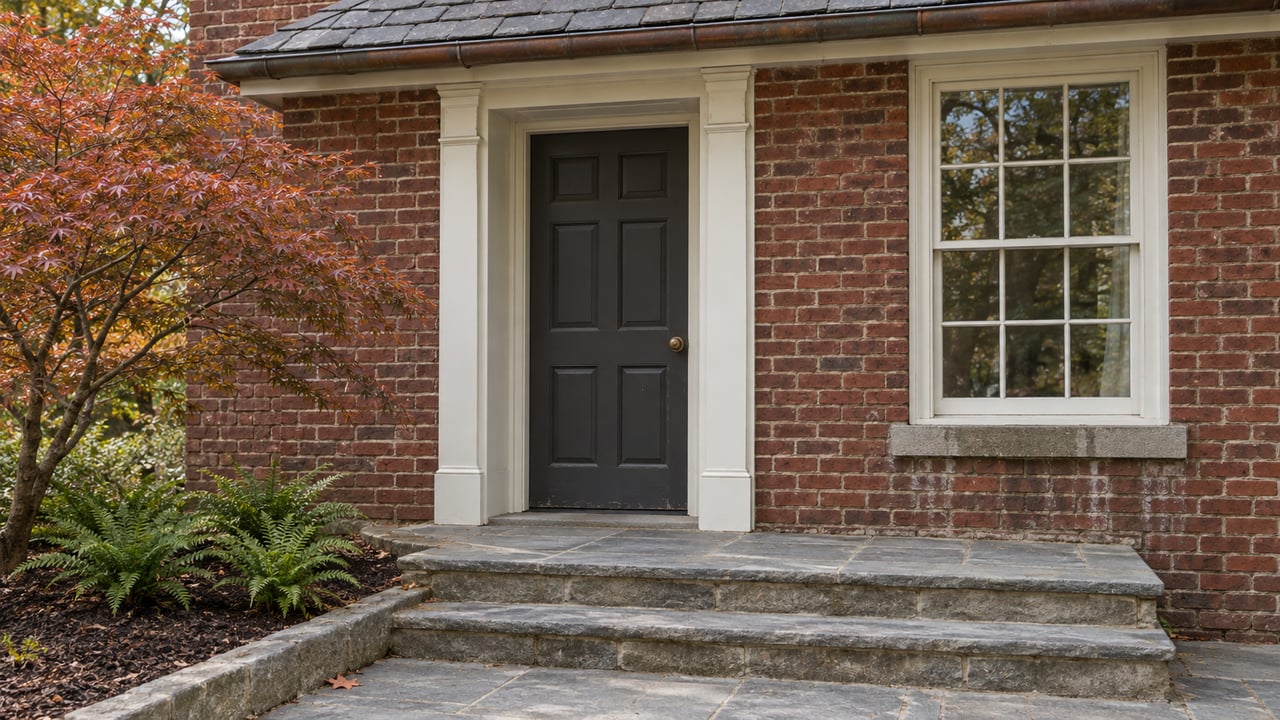
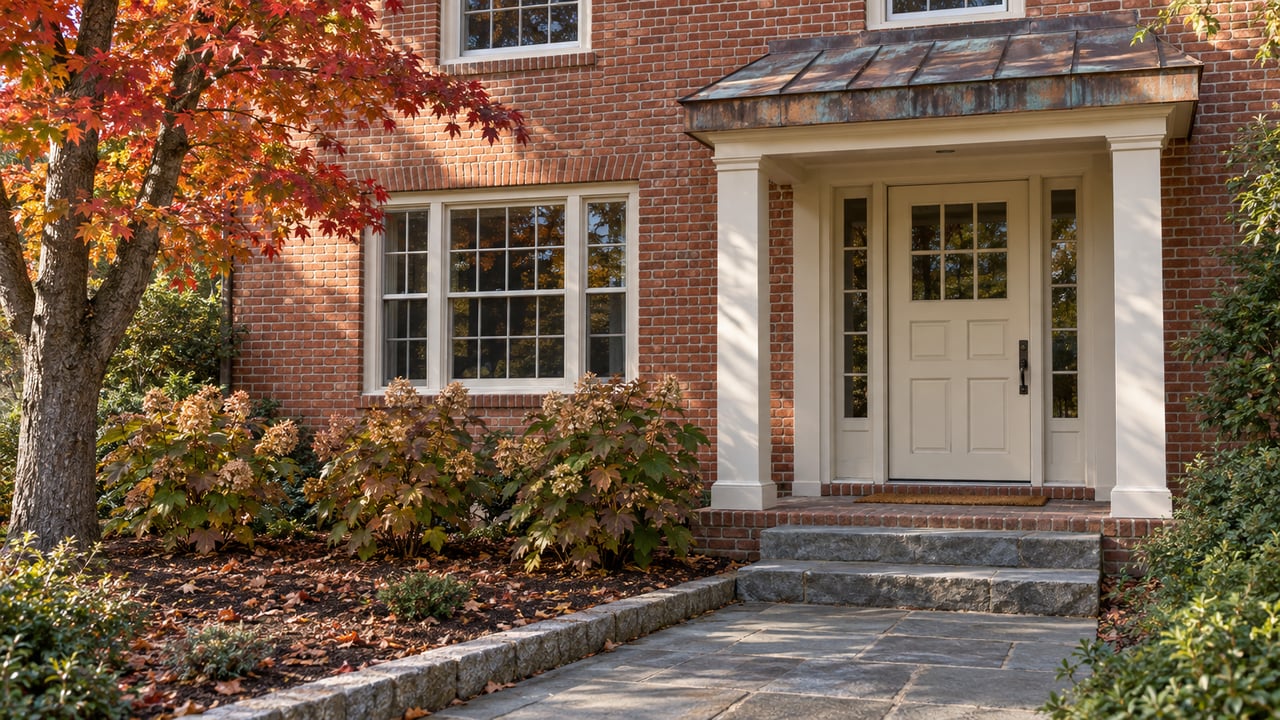
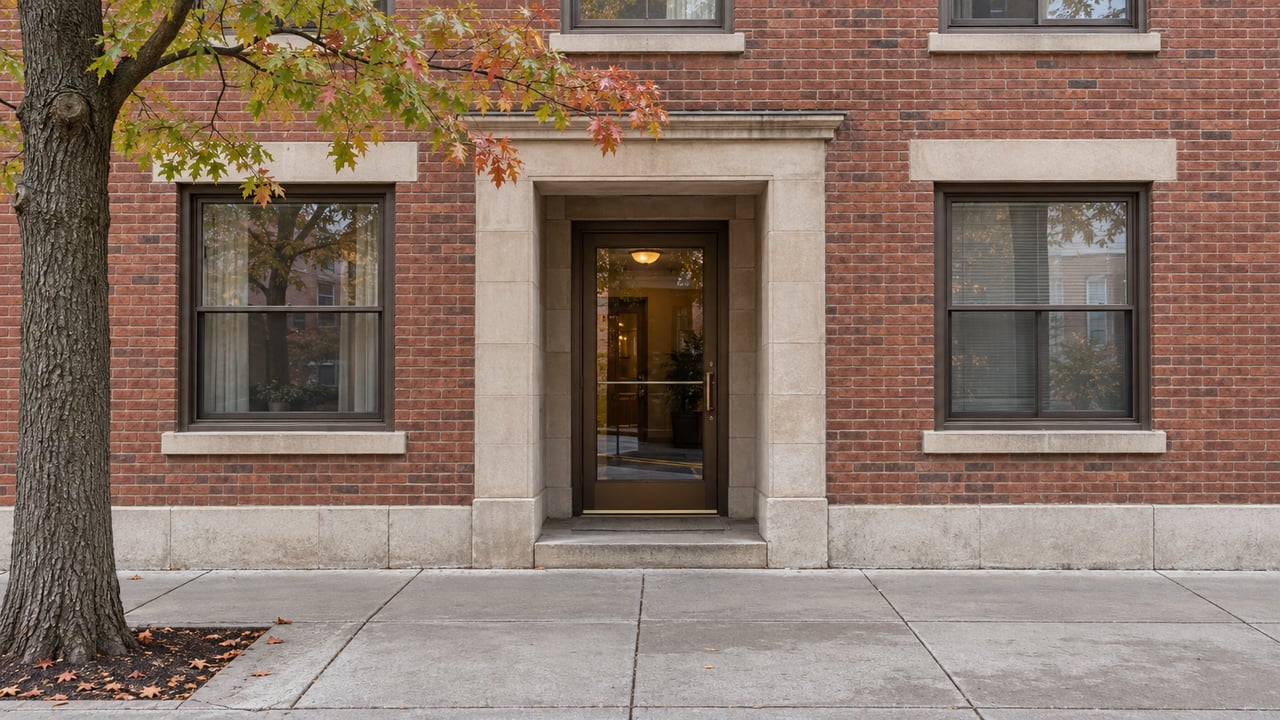
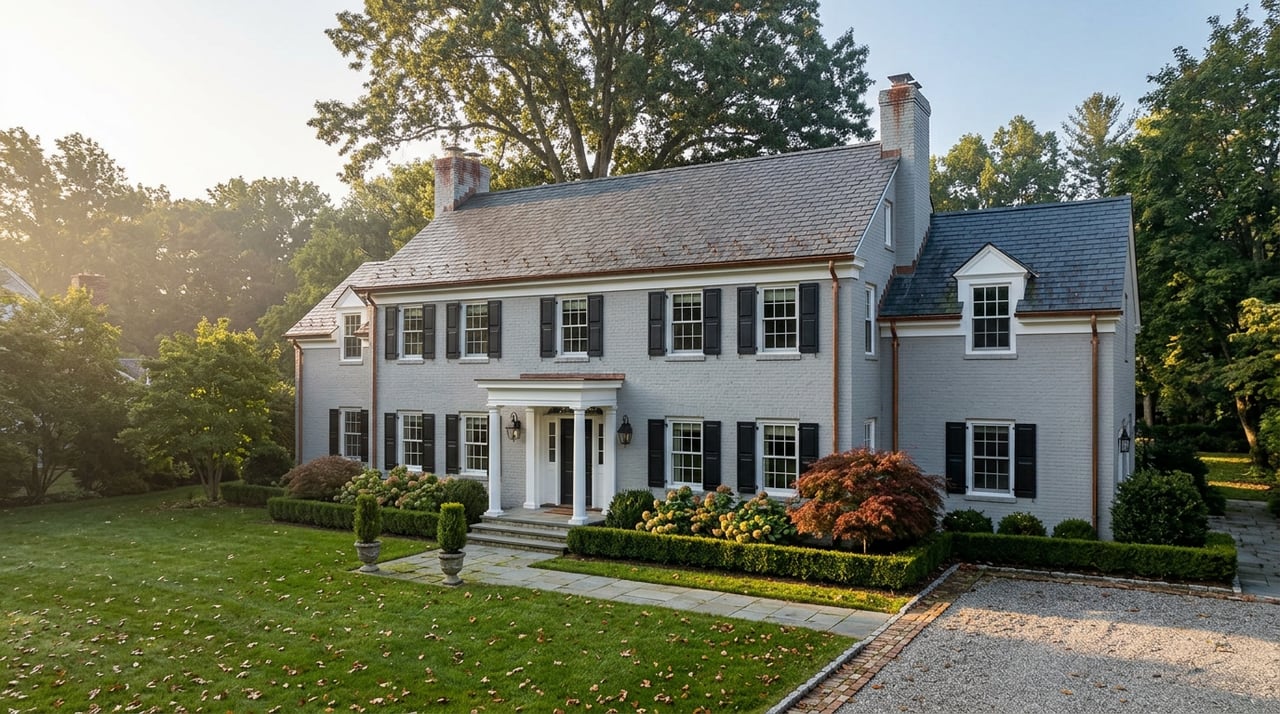
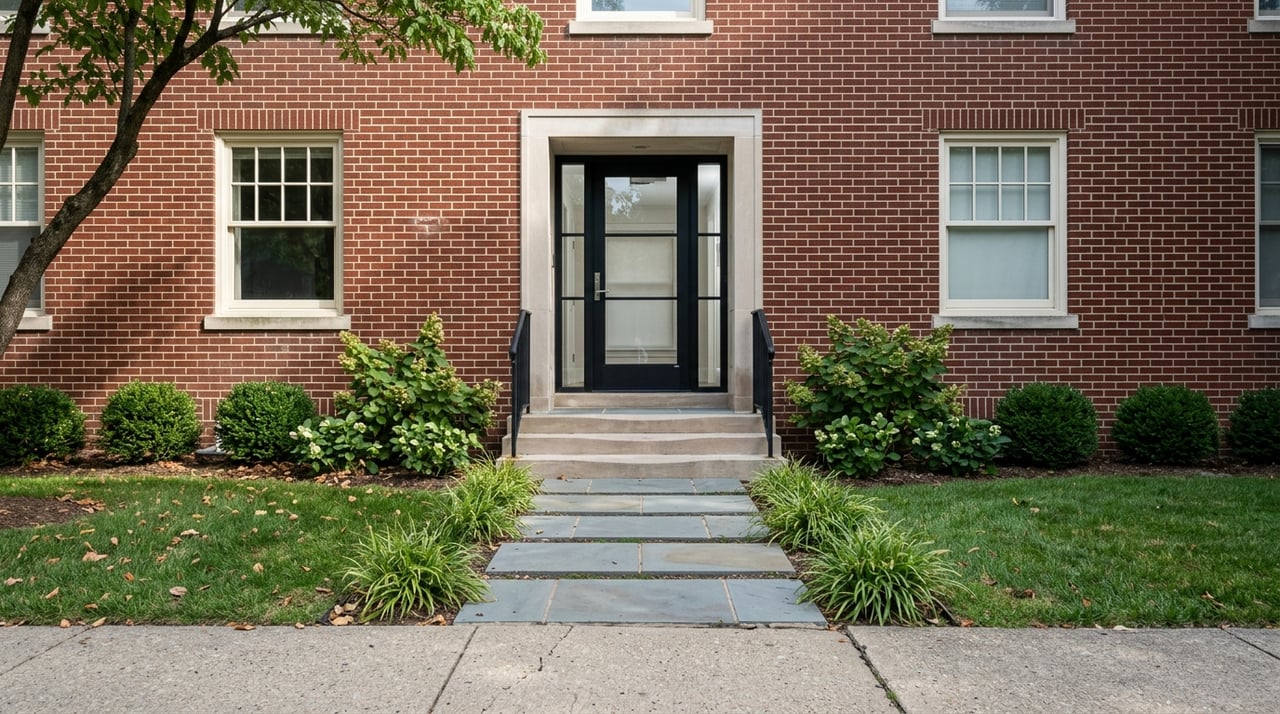
Cleveland Park is one of Northwest DC’s established residential neighborhoods, with a housing mix that includes turn-of-the-century frame houses, larger estates, apartment buildings, and mixed-use development around its commercial core. According to the DC Office of Planning, the neighborhood follows a familiar Ward 3 pattern: denser apartments and townhouses near the core, with more single-family homes farther out.
That mix matters because Cleveland Park is not a one-price-point neighborhood. You are looking at condos and co-ops, larger attached homes, detached homes, and a small number of high-end properties, all in the same market. When you see one headline median price, it helps to remember that it reflects a very blended set of sales.
Cleveland Park Home Prices
As of Redfin’s March 2026 snapshot, Cleveland Park’s median sale price was $510,000. That was down 1.8% year over year, with a median price per square foot of $599.
Realtor.com’s March 2026 snapshot showed a median asking price of $495,000 and a median price per square foot of $575. Those figures are close enough to point in the same general direction: Cleveland Park offers a broad price range, but many current sales and listings are still concentrated in the condo and co-op segment.
Compared with DC overall, Cleveland Park’s median sale price is lower than the citywide Redfin median of $676,500. At the same time, its $599 price per square foot is higher than the DC-wide figure of $501. In plain English, that usually suggests smaller homes are shaping the neighborhood median, rather than the area lacking higher-end inventory.
What Homes Cost by Property Type
One of the best ways to understand Cleveland Park is to look at price bands instead of relying only on the median.
Current active listings on Redfin show:
- Smaller one-bedroom units from under $200,000 to about $390,000
- Larger condos and co-ops from about $489,000 to $700,000
- Larger rowhomes and single-family homes from roughly $1.6 million to $2.2 million
- Trophy properties from about $3.4 million to $6.0 million
Recent sold examples show a similar spread, including sales at $265,000, $310,000, $440,000, $519,900, $525,000, $689,900, $1.5 million, and $2.095 million. That is a wide range for one neighborhood, and it is exactly why broad averages can miss the full picture.
How Fast Homes Are Selling
Pace is another area where Cleveland Park looks mixed rather than extreme. Redfin reported median days on market at 121 in March 2026, while Realtor.com reported 56 median days on market.
That gap does not necessarily mean one source is wrong. Different portals often measure different listing sets and timing windows. The safer takeaway is that homes are selling, but not at an especially fast clip across the board.
Recent sold examples in the neighborhood had days on market ranging from 36 to 156 days. That spread tells you pricing, condition, building type, and presentation can make a major difference in how quickly a home moves.
Is Cleveland Park a Buyer’s or Seller’s Market?
This is where labels can oversimplify things. Redfin described Cleveland Park as somewhat competitive, while Realtor.com labeled it a buyer’s market.
Instead of focusing too much on the label, it is smarter to look at the underlying numbers. Realtor.com reported a 97% sale-to-list ratio, which suggests buyers may have some room to negotiate in certain situations, but not a huge discount across the neighborhood. At the same time, the market is still active, with 15 homes sold in the month on Redfin’s snapshot.
Because monthly sales volume is relatively small in Cleveland Park, one luxury closing or one slower condo building can shift the median noticeably. That is why a neighborhood like this is best understood through recent comparable sales, current competing inventory, and property-specific strategy rather than through one headline alone.
How Cleveland Park Compares Nearby
Cleveland Park sits in the middle of the close-in Northwest DC price spectrum. Based on Redfin’s March 2026 snapshots, nearby neighborhoods showed the following median sale prices:
- Woodley Park: $940,000
- Dupont Circle: $525,000
- Cathedral Heights: $500,000
- Georgetown: $1.65 million
- Chevy Chase-DC: $1.3365 million
On the surface, Cleveland Park looks closest to Dupont Circle and Cathedral Heights on median price. But on price per square foot, Cleveland Park’s $599 sits above citywide DC and Woodley Park, below Dupont Circle and Georgetown, and above Cathedral Heights.
That tells you Cleveland Park occupies an interesting middle ground. It can offer a lower headline entry point than some premium Northwest neighborhoods, while still commanding strong value per square foot.
What Inventory Looks Like
Inventory depth is another useful clue for buyers and sellers. Realtor.com’s neighborhood snapshot showed 47 homes for sale in Cleveland Park, compared with 17 in Woodley Park, 21 in North Cleveland Park, 97 in Cathedral Heights, and 85 in Georgetown.
For buyers, that can mean a bit more choice than in some nearby pockets. For sellers, it means your home may face a meaningful set of alternatives, especially in the condo and co-op categories. In a market like this, pricing and positioning matter a lot.
Why the Housing Mix Matters
Cleveland Park’s housing stock is part of what makes the neighborhood appealing, but it also makes pricing analysis more nuanced. You are not comparing a neighborhood of mostly one home type. You are comparing older apartment and condo inventory, co-ops, townhouses, detached homes, and occasional estate-level properties.
That means two homes with similar square footage may still perform very differently based on building style, monthly fees, condition, renovation quality, and exact location within the neighborhood pattern. A buyer deciding between a co-op and a detached home is not shopping the same experience, even if both fall within the broader Cleveland Park market.
Renovation and Historic District Considerations
Cleveland Park’s historic character can also affect value and resale planning. The DC Office of Planning notes that the historic district was designated in 1987 and includes a period of significance from 1880 to 1941.
If you own or are considering an older property here, exterior work may require different levels of review. DC preservation guidance says some in-kind repairs, small additions, and minor alterations may be approved administratively by the Historic Preservation Office, while larger additions, front alterations, new construction, visible roof decks, or major facade changes go to the Historic Preservation Review Board.
For sellers, this can shape how buyers view past updates and future potential. For buyers, it is a reminder to evaluate renovations carefully and understand what may be possible before you make assumptions about expansion or exterior changes.
What This Means if You’re Buying
If you are buying in Cleveland Park, the first step is to narrow the market by property type. A one-bedroom condo, a larger co-op, and a detached house can all sit in the same neighborhood stats while behaving very differently in price, timing, and competition.
It also helps to focus on days on market, recent sold ranges, and price per square foot for your specific segment. In a blended neighborhood, that is usually more useful than relying on one median number. If inventory remains relatively deeper here than in some adjacent areas, you may have room to compare options carefully and negotiate selectively.
What This Means if You’re Selling
If you are selling in Cleveland Park, preparation and positioning can have a real impact on outcome. With homes sometimes taking weeks or months to sell, buyers tend to notice condition, value, and presentation quickly.
This is especially true in a neighborhood where buyers may be comparing your property against very different alternatives nearby. Strong pricing strategy, thoughtful marketing, and a clear understanding of how your home fits within Cleveland Park’s housing mix can help you stand out.
The Bottom Line on Cleveland Park
Cleveland Park is best understood as a layered Northwest DC market, not a simple hot-or-cold story. The neighborhood combines a wide range of home types, a broad price spread, and a pace that can vary quite a bit depending on the property.
If you look past the market labels, the data points to an active but measured environment. Buyers have choices, sellers still have opportunity, and both sides benefit from a property-specific strategy grounded in recent neighborhood evidence.
If you want help making sense of Cleveland Park pricing, timing, or how your home fits into today’s market, Andrew Riguzzi can help you build a smart plan.
FAQs
What is the median home price in Cleveland Park?
- As of Redfin’s March 2026 snapshot, the median sale price in Cleveland Park was $510,000, while Realtor.com’s March 2026 snapshot showed a median asking price of $495,000.
How long do homes stay on the market in Cleveland Park?
- March 2026 snapshots showed different timing measures, with Redfin reporting 121 median days on market and Realtor.com reporting 56 median days on market, while recent sold examples ranged from 36 to 156 days.
Is Cleveland Park a buyer’s market or seller’s market?
- The data sources used different labels, with Redfin calling it somewhat competitive and Realtor.com calling it a buyer’s market, so the better approach is to review current inventory, sale-to-list ratio, and comparable sales for your property type.
What types of homes are found in Cleveland Park?
- Cleveland Park includes condos, co-ops, apartment buildings, townhouses, single-family homes, larger estates, and mixed-use development around its commercial core.
Are historic district rules important in Cleveland Park?
- Yes. Because much of Cleveland Park falls within a historic district, some exterior repairs and small changes may be approved administratively, while larger additions or major visible exterior changes may require review by the Historic Preservation Review Board.