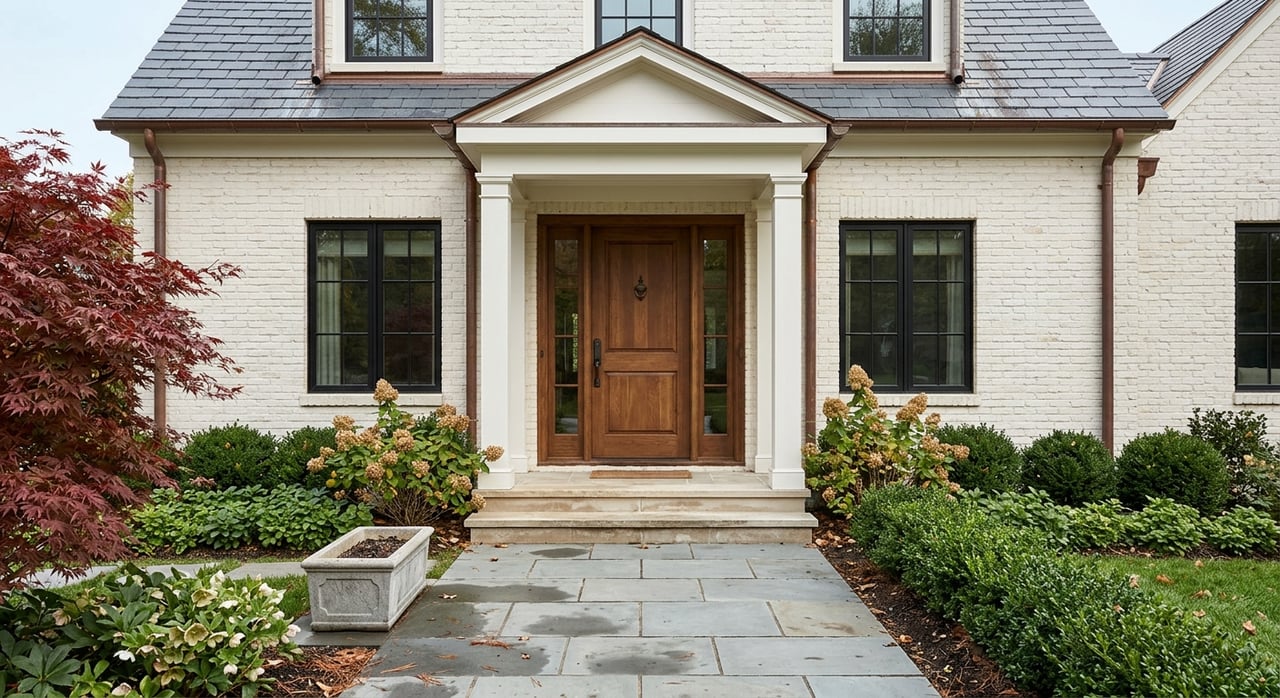
If you are looking for value-add potential in Cleveland Park, the opportunity is real, but so is the need for discipline. This is not a neighborhood where you can assume every expansion, basement setup, or exterior update will be easy to approve. If you understand the housing stock, the historic review process, and the difference between a cosmetic upgrade and a legal unit strategy, you can spot the plays with the best upside and the fewest surprises. Let’s dive in.
Why Cleveland Park stands out
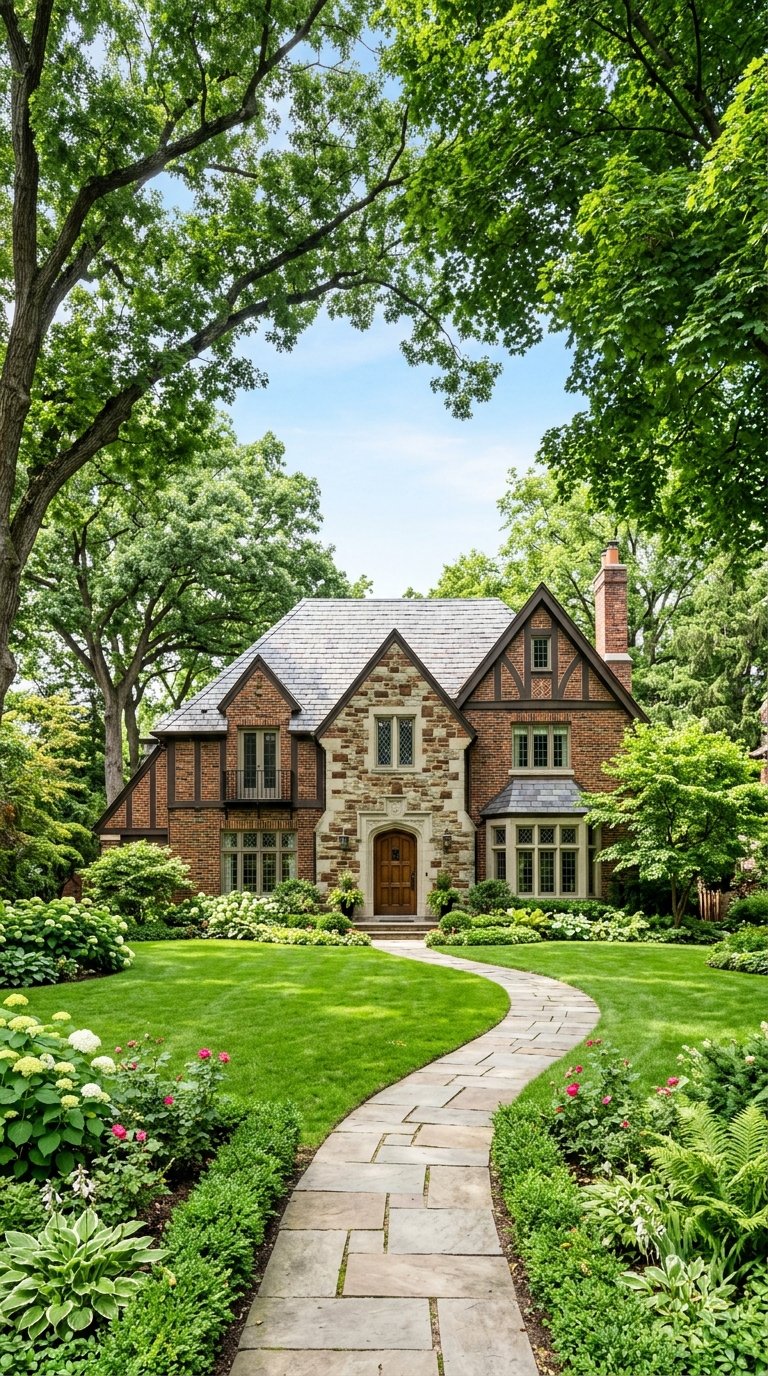
Cleveland Park is one of Washington’s early suburban residential subdivisions, with roughly 1,000 buildings dating from about 1880 to 1941. It is also a designated historic district, listed in the DC Inventory of Historic Sites and the National Register, with designation dating to 1986 and effective April 27, 1987.
That combination matters. You are not just evaluating square footage and finishes here. You are also buying into a neighborhood shaped by trolley-era planning, large lots, detached homes on wooded sites, and a mix of later duplexes, garden apartments, and low-rise commercial buildings.
Where value-add tends to show up
In Cleveland Park, the strongest upside often starts with the original housing stock. Large building lots and older detached homes can create room for thoughtful improvements, especially when a property already has a basement, attic, porch, rear yard, or accessory structure.
That does not mean every house is a candidate for a major project. It means the best opportunities often come from homes where you can improve layout, function, and finish level without forcing a redevelopment-style plan into a historic neighborhood that is generally better suited to selective repositioning.
Detached homes with usable extra space
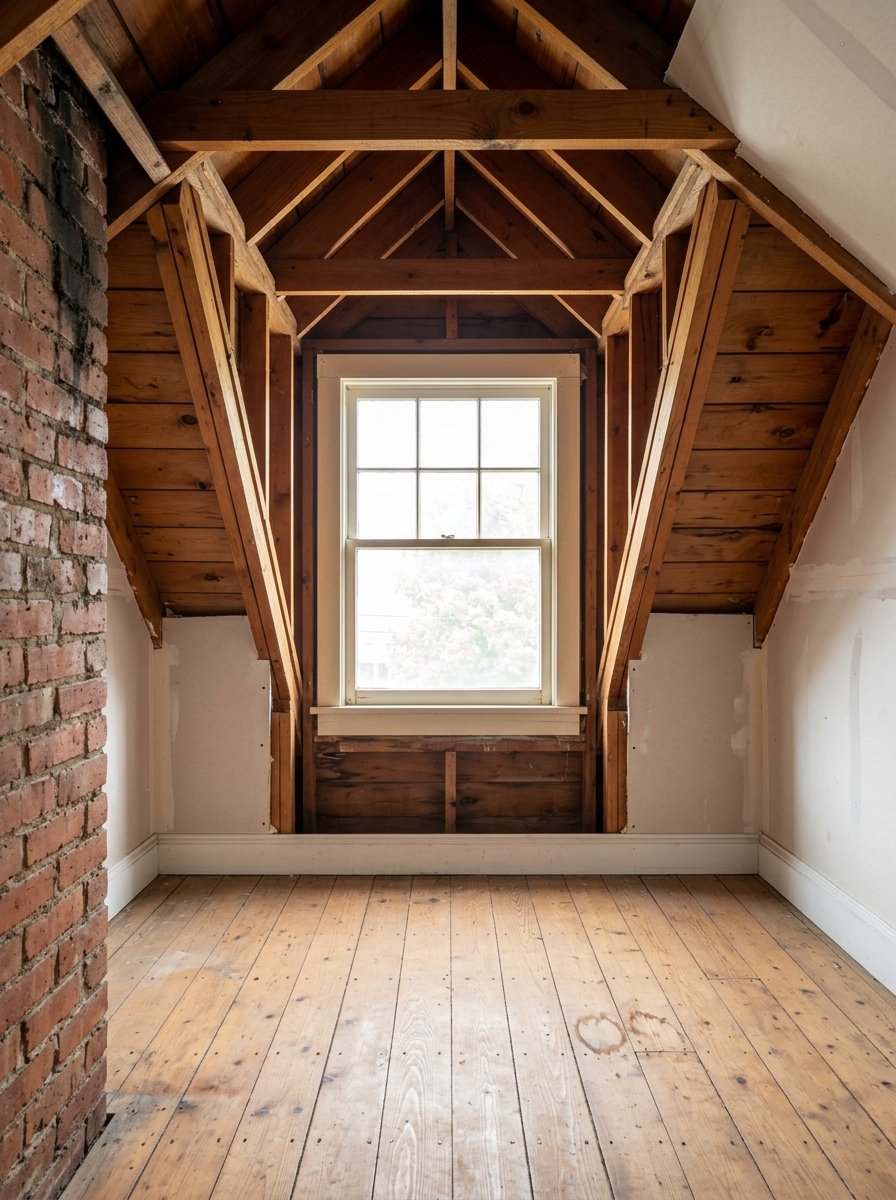
Older single-family homes can offer the clearest path to value when they include underused basements, unfinished attics, enclosed porches, or rear yard space. In many cases, these features create room for added function without changing the core character of the property.
For buyers and small investors, that can mean a better renovation story. A smart interior reconfiguration or modest expansion may unlock value while keeping approval risk lower than a highly visible exterior overhaul.
Apartment and corridor properties
Cleveland Park is not only detached houses. The neighborhood also includes apartment buildings and the Connecticut Avenue commercial corridor, which developed as a low-scale retail and apartment strip in the 1920s and 1930s.
That opens a different kind of value-add opportunity. In these properties, unit-level renovations and careful mixed-use repositioning may exist, but each site needs parcel-level diligence because preservation context, building form, and approval standards can vary.
The lowest-friction value-add plays
If your goal is to improve a property efficiently, interior-only work is usually the cleanest path. In DC’s historic review process, interior alterations, non-structural interior demolition, ordinary maintenance, paint, gutters and downspouts, screens, and similar work are not subject to historic preservation review.
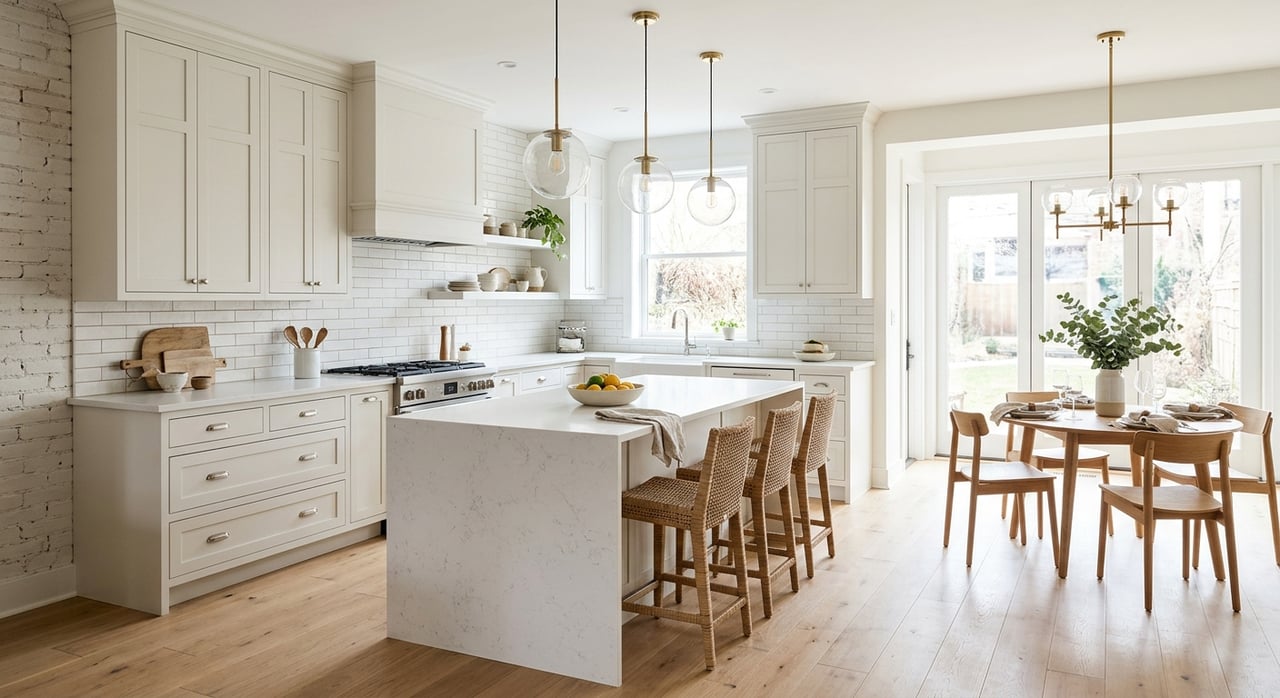
That makes interior refreshes especially attractive in Cleveland Park. When you can create value through kitchens, baths, flooring, lighting, layout refinement, or general modernization, you may avoid a major layer of preservation review entirely.
Interior renovations
The fastest path is often the least flashy one. A dated but well-located home can benefit from interior updates that improve livability and market appeal without triggering a more complicated review process.
This is especially important in a historic district, where time is money. A project that stays focused on the interior may be easier to budget, easier to schedule, and easier to bring to market.
In-kind exterior work and minor alterations
Some exterior work can still be relatively manageable. Historic Preservation Office staff can approve in-kind repair and replacement, small additions, and minor alterations, with routine work sometimes approved the same day and more substantial delegated review often taking about five business days.
That can create opportunity for buyers who know what to look for. If a property needs repair rather than major redesign, the value-add case may be stronger because the approval path is often more predictable.
Expansion ideas that may fit
Modest expansion can work in Cleveland Park, but the keyword is modest. DC’s Homeowner’s Center notes that additions to single-family dwellings of up to 500 square feet and one story at ground level may qualify under the residential code path when the site and zoning support the work.
On the preservation side, HPO staff may handle rear or side additions under 500 square feet, rear decks, balconies, dormers, roof alterations not visible from the street, solar panels, and new basement stairs or areaways when they fit the historic guidelines.
Rear additions and decks
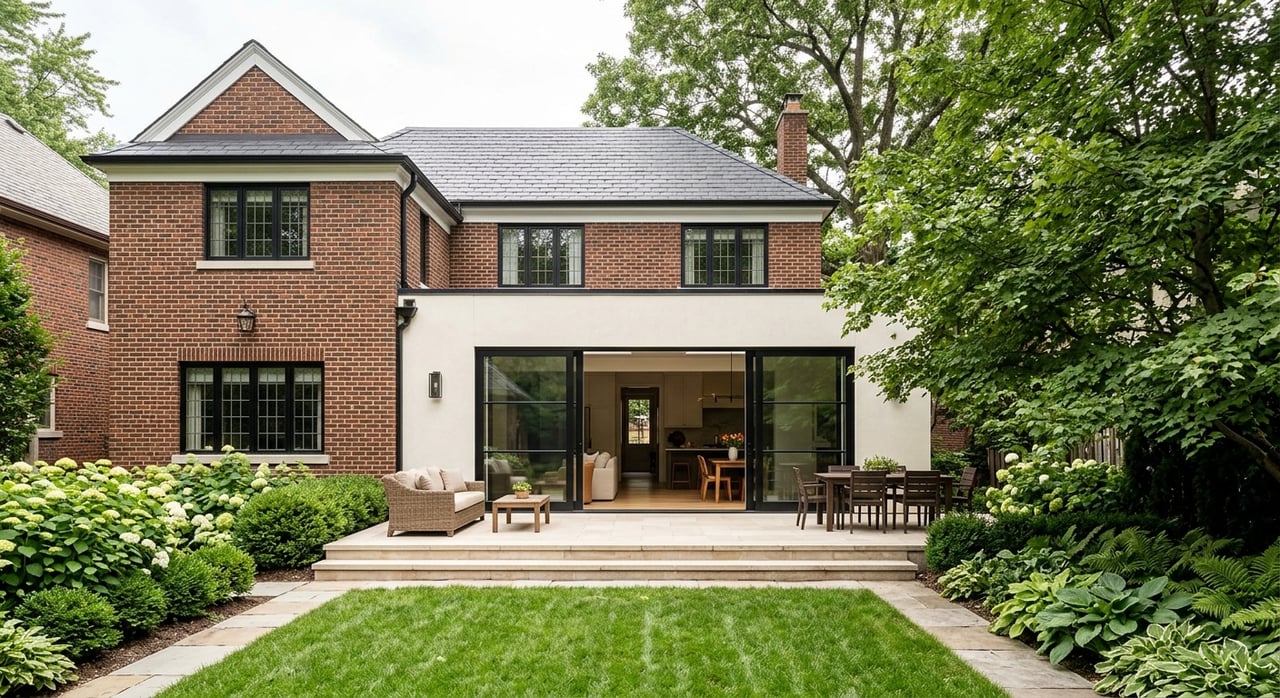
A rear addition or deck can be one of the more practical ways to add function without disrupting the street-facing character of the home. In Cleveland Park, that matters because highly visible changes often face more scrutiny than work tucked behind the main façade.
That does not make these projects automatic. You still need to confirm historic compatibility, zoning compliance, and permit requirements before you count on the added value.
Dormers and attic improvements
Dormers and attic upgrades can be appealing in older homes with underused upper levels. If the work is designed in a way that aligns with the historic guidelines, especially when visibility from the street is limited, it may fit the neighborhood better than a more aggressive expansion plan.
For many owners, this kind of project is about improving livable space rather than maximizing bulk. That tends to match Cleveland Park’s character and its approval environment.
Accessory apartment potential
One of the more interesting value-add angles in Cleveland Park is the possibility of an accessory apartment. In DC Residential House zones, accessory apartments are allowed as a matter of right, but only one is allowed per lot, either the principal dwelling or accessory apartment must be owner-occupied, and entry and size rules vary by zone.
If the unit is in an accessory building, it cannot have a roof deck. These details matter because the upside may look strong on paper, but the rules shape what is actually feasible.
Do not assume a basement setup is legal
This is where buyers often get tripped up. A lower-level suite can be treated as a separate dwelling unit if it has independent access, sanitation, and eating or cooking facilities, even if the plans only show a wet bar or secondary sink.
In other words, a basement with a kitchenette is not automatically a legal rental unit. If your strategy depends on separate-unit income, you need to verify zoning approval requirements and whether an updated certificate of occupancy is needed.
Flats are a different category
If the plan is to create a flat rather than an accessory apartment, the rules are different. Flats are matter-of-right in RF zones, require a certificate of occupancy to be used as a flat, and need a business license to rent each unit.
That distinction can affect both timing and cost. If you are comparing properties based on rental potential, make sure you are comparing the right legal framework.
The biggest approval risks
In Cleveland Park, the biggest mistake is treating historic review as a minor side issue. Because the neighborhood is a historic district, exterior work is not just a building code question.
Front alterations, side alterations visible from the street, porch work, window replacement, door replacement, roof decks, major grading, larger additions, demolition, and new buildings can require full Historic Preservation Review Board review. That is a very different risk profile from an interior refresh.
Preservation approval is not the whole story
Another common misunderstanding is assuming preservation approval clears the project. It does not. The HPRB does not consider zoning or economic issues, so a project can pass preservation review and still fail on zoning or underwriting.
That is why strong upfront diligence matters so much in Cleveland Park. You need to underwrite the property with all three lenses in mind: preservation, zoning, and financial feasibility.
Window and door replacements need extra care
Even smaller scopes can have a wrinkle in historic properties. As of February 17, 2026, DC’s Instant Permits cover certain one- and two-family scopes, including in-kind replacement of up to 15 windows, but historic properties still need a Historic Property - Special Permit for those scopes.
That is easy to miss if you are used to non-historic projects. In Cleveland Park, simple exterior repairs can still require an added permit step.
How timelines usually play out
Project timing in Cleveland Park can vary widely based on scope. Routine delegated historic work can be approved the same day, more substantial delegated work is usually reviewed within about five business days, and major HPRB matters are generally reviewed in about 30 to 60 days.
DOB’s Homeowner’s Center also says qualifying residential permits can often be issued within five business days. That means smaller, cleaner scopes can move quickly, while bigger projects can add real schedule risk.
For buyers and investors, this should shape your acquisition strategy. If the numbers only work with a long list of approvals and a tight resale timeline, the margin for error may be thin.
Best exit strategies for Cleveland Park
Cleveland Park is usually better suited to selective repositioning than density-maximizing redevelopment. In practice, that tends to favor end-user resale, rental repositioning, or a carefully permitted secondary-unit strategy.
That is an important lens when you are evaluating upside. The neighborhood often rewards projects that respect the existing asset and improve utility, condition, and presentation rather than trying to force a much larger redevelopment outcome.
Income-producing historic properties
If you are looking at an income-producing historic property, there may be an added incentive. Historic, income-producing properties may qualify for a 20% rehabilitation tax credit, though primary residences do not qualify.
The work must meet specific standards, be reviewed by the DC State Historic Preservation Office and the National Park Service, and meet the minimum expenditure threshold. This is a niche tool, but on the right property it can be meaningful.
A practical checklist for buyers
When you are evaluating value-add potential in Cleveland Park, focus on what is probable, not just what is possible.
- Look first for interior-upside properties with dated finishes and solid existing layouts
- Prioritize homes with basements, attics, rear yards, or accessory structures that may support added function
- Treat any visible exterior change as a separate diligence track
- Verify whether a basement setup is a legal dwelling unit or just flexible finished space
- Confirm whether the plan involves an accessory apartment, a flat, or neither
- Check whether window, door, or exterior repair work triggers historic-property permit requirements
- Build your timeline around the actual review path, not best-case assumptions
- Match your exit strategy to the neighborhood’s pattern of selective repositioning
In Cleveland Park, the best value-add deals are usually the ones with a clear story, manageable approvals, and an end result that fits the neighborhood. If you stay focused on those fundamentals, you can find opportunities that are both attractive and realistic.
If you want help evaluating a Cleveland Park property, planning a renovation-minded purchase, or weighing resale potential against approval risk, Andrew Riguzzi can help you build a strategy that fits the market.
FAQs
What kind of value-add project is usually fastest in Cleveland Park?
- Interior renovations and in-kind work are often the fastest paths because many interior-only scopes are not subject to historic preservation review, and some minor exterior work can be handled through delegated review.
What should buyers know about historic district rules in Cleveland Park?
- Buyers should know that exterior changes may require historic review, and more visible or substantial work such as front alterations, porch work, larger additions, demolition, or new construction can require full HPRB review.
Can a Cleveland Park basement apartment be assumed legal?
- No. A lower-level space may be treated as a separate dwelling unit if it has independent access, sanitation, and eating or cooking facilities, so you should verify zoning and certificate of occupancy requirements.
Are accessory apartments allowed in Cleveland Park homes?
- Accessory apartments are allowed as a matter of right in Residential House zones, but only one is allowed per lot, owner-occupancy rules apply, and other requirements vary by zone.
Does historic approval also cover zoning approval in Cleveland Park?
- No. Historic preservation review is separate from zoning, so a project can clear preservation review and still face zoning or financial feasibility issues.
What exit strategy often makes the most sense in Cleveland Park?
- Cleveland Park is generally better suited to selective repositioning, such as end-user resale, rental repositioning, or a carefully permitted secondary-unit approach, rather than density-maximizing redevelopment.
Can historic Cleveland Park properties qualify for a rehabilitation tax credit?
- Income-producing historic properties may qualify for a 20% rehabilitation tax credit if the project meets review standards and minimum expenditure requirements, but primary residences do not qualify.