Torn between the charm of a Georgetown rowhome and the ease of a condo? You are not alone. Many DC professionals weigh private outdoor space and control against low-maintenance living and building amenities. In this guide, you will learn how each option fits daily life in Georgetown, what costs to expect, and the key questions to ask before you write an offer. Let’s dive in.
Quick decision guide
- Choose a rowhome if you want more control over your property, private outdoor space, and the feel of a classic Georgetown townhouse. Expect more hands-on upkeep and historic review for exterior changes.
- Choose a condo if you want single-level or elevator living, lower day-to-day maintenance, and a lock-and-leave setup. Expect monthly dues and building rules that can affect financing and resale.
- Prices in Georgetown are often in the seven-figure range. Monthly carrying costs can be similar between a small rowhome and a centrally located condo, but costs show up differently over time.
Georgetown housing at a glance
Where rowhomes cluster
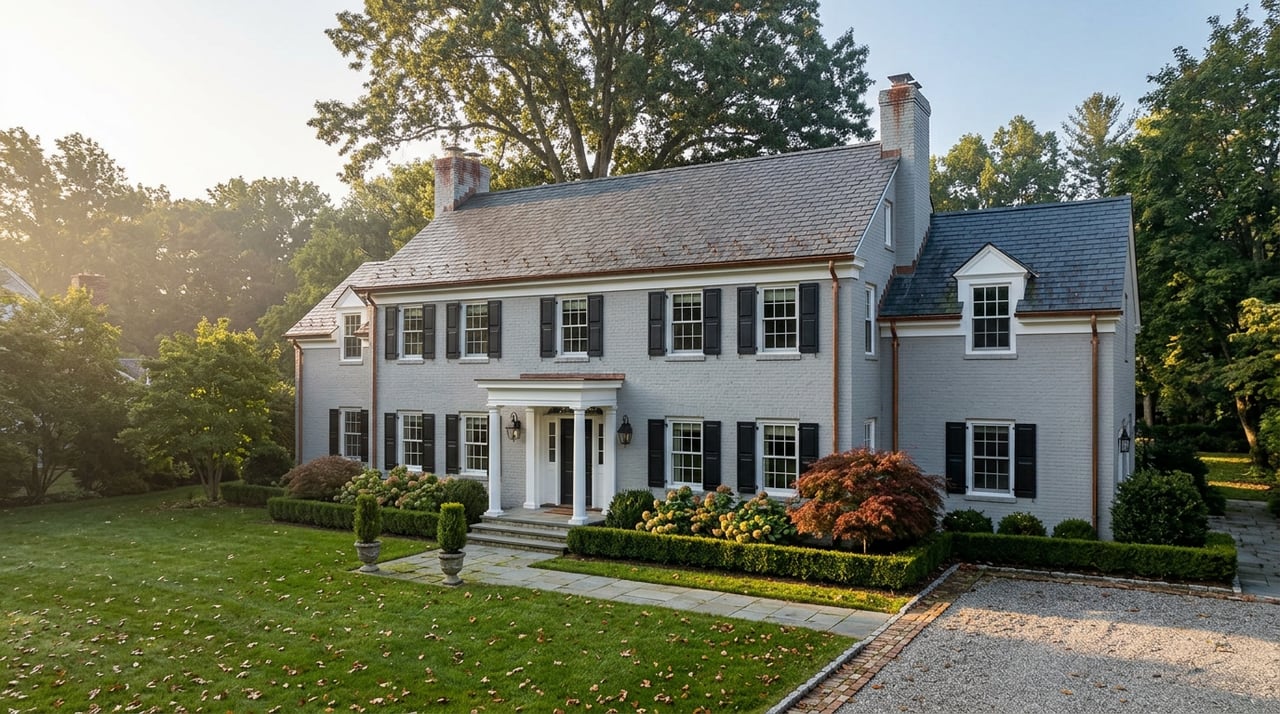
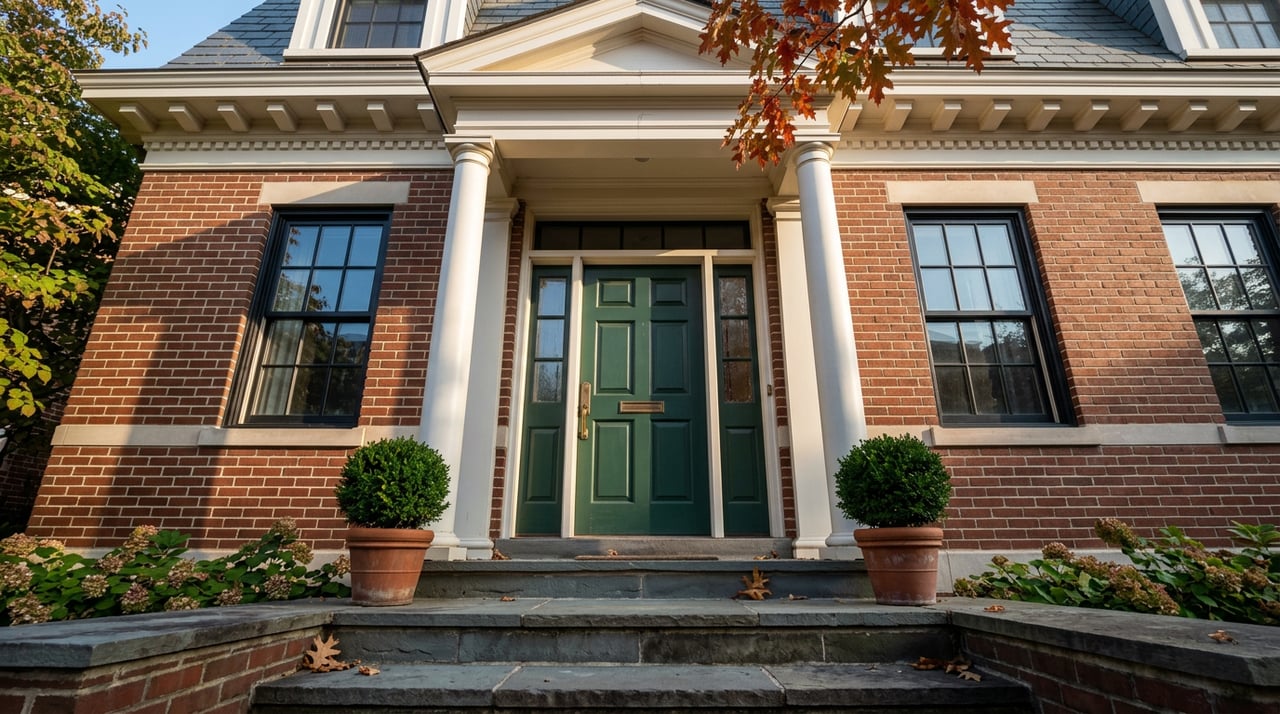
Georgetown’s interior grid features brick Federal, Georgian, and Victorian townhouses on streets like N, O, P, and R, plus corridors near Dumbarton and Volta Place. Many of these properties appear in the Historic American Buildings Survey for Georgetown. If you value architectural character and street-level living, you will find plenty of options here.
Where condos concentrate
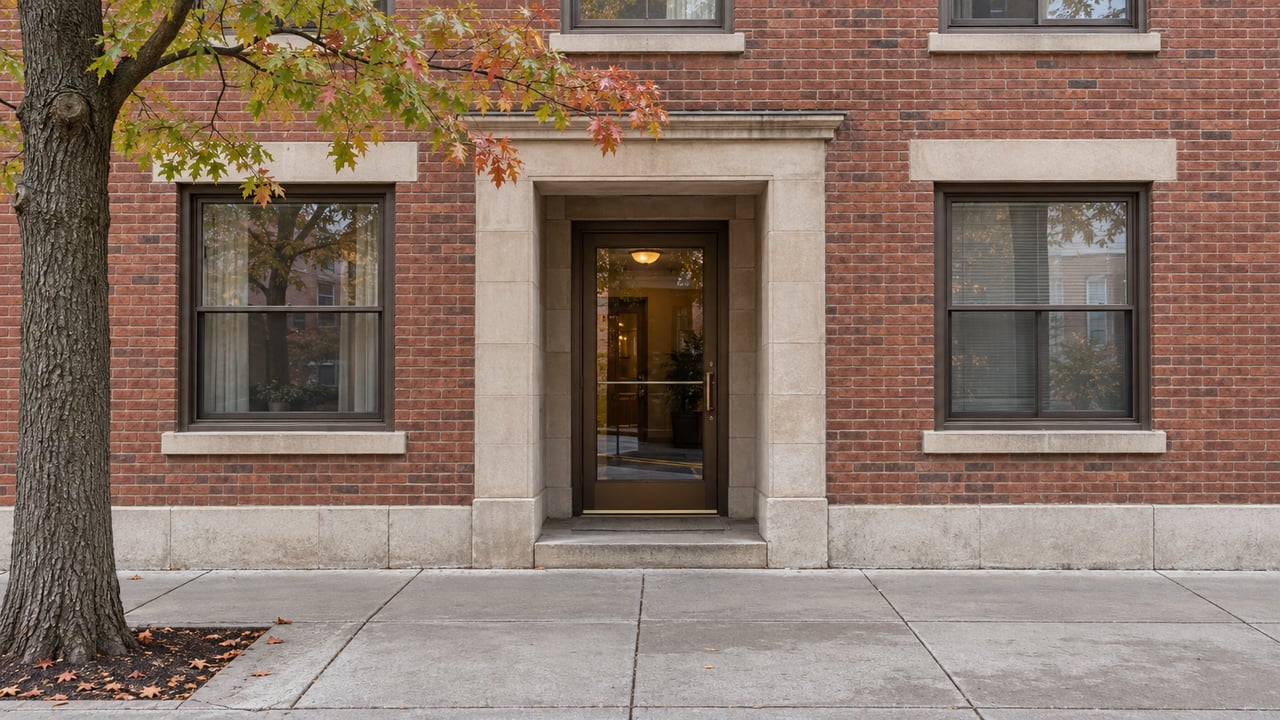
Condominiums and apartment conversions cluster along M Street, near the waterfront, and in select converted or boutique buildings around the neighborhood. If you want elevator access, secure entries, one-level living, or on-site services and parking, those features are more common near the commercial corridors.
Historic rules and what you can change
Much of Georgetown falls under review by the Old Georgetown Board and the Commission of Fine Arts. Exterior changes like window alterations, additions, and roof decks often require sign-off. If you plan to add a roof deck, expand a kitchen, or change a facade, review the Old Georgetown Board guidance and request a property’s past approvals before you bid. This is essential for rowhome buyers who want to customize.
Upkeep and responsibilities
Rowhome ownership costs
With a rowhome, you are typically responsible for everything on your lot: roof, exterior brick, gutters, chimneys, fencing, patios, and mechanical systems. Older masonry can need periodic repointing, and roofs, HVAC, and foundations require long-term planning. It is smart to budget for routine maintenance and occasional capital projects so surprises do not derail your plans.
Condo dues and coverage
In a condo, your monthly fees fund building upkeep for common areas, the building envelope, elevators, and master insurance. You usually cover your interiors and an HO-6 policy. Always verify the split in the governing documents. The Community Associations Institute outlines what to review before you buy, including budgets, reserves, and master insurance. Start with CAI’s buyer guidance, and ask the association for a line-item budget and the most recent reserve study. For what fees often include, see this overview of HOA fee components.
Practical tip: Condo dues shift some exterior risk to the association. Your total monthly carry can be similar to a smaller rowhome, but timing differs. Condos carry special assessment risk if big repairs come due, while rowhomes bring episodic large bills you plan for over time.
Space, layouts, and outdoor access
Rowhome living patterns
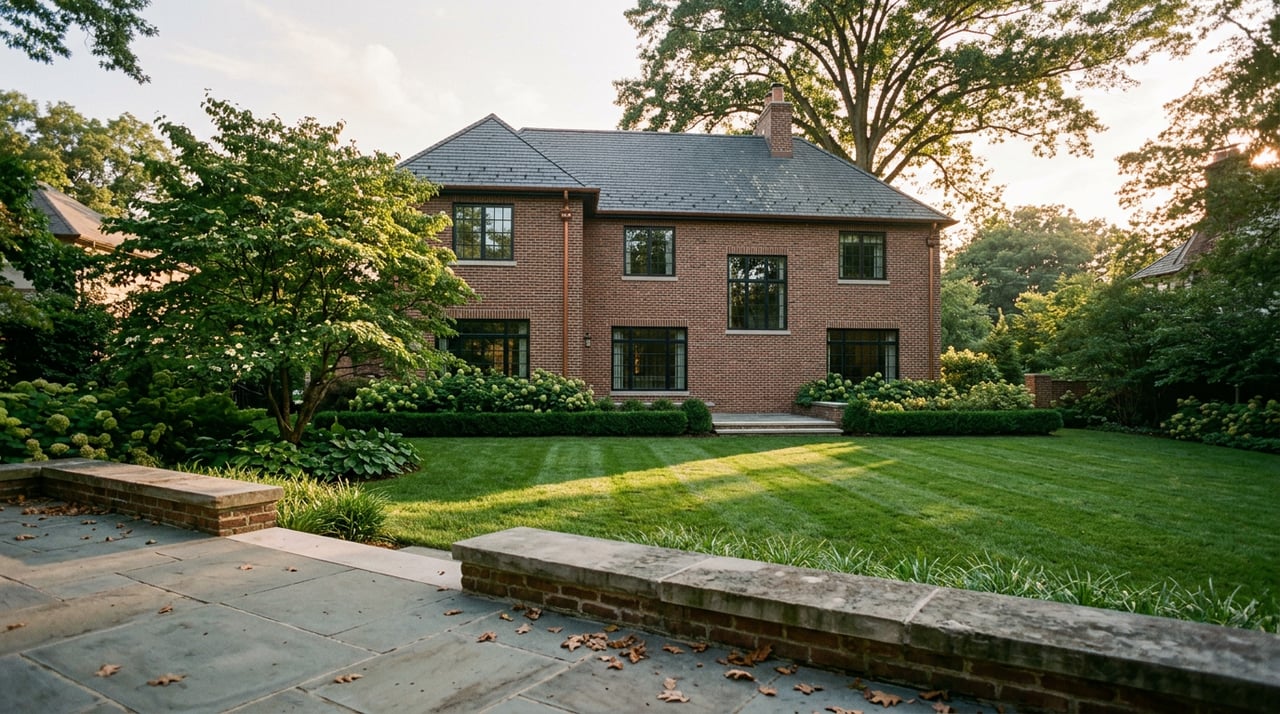
Most rowhomes offer multi-level living, higher ceilings in many historic homes, and basements that can serve as living space. You often get a private stoop, small yard or patio, and sometimes alley access. If private outdoor space ranks high on your list, a rowhome is a strong fit.
Condo conveniences
Condos commonly offer single-floor living, elevators, secure entries, and sometimes on-site storage and garage parking. Boutique and luxury buildings can deliver larger footprints and full-service experiences at a higher price point. Private outdoor space tends to be a balcony or shared rooftop, so confirm what is included, what is deeded, and who maintains it.
Parking, transit, and daily life
Georgetown does not have a Metrorail station. Many residents walk to Foggy Bottom or Rosslyn, use Metrobus, or rely on ridehail. Parking can be scarce on residential streets, and time limits apply without a permit. For an overview of neighborhood transit and parking garages, review the Georgetown BID’s getting here guide. If parking is a must-have, make it a first filter in your search.
Financing and resale factors
Condo project approval
Condo lending depends on the building’s status. Lenders and the GSEs review condo projects for eligibility. If a building is non-warrantable, you may face limited loan options or higher down payments. Ask your lender to run a condo project check early. Learn the basics from Freddie Mac’s guidance on condominium unit mortgages.
Rowhome financing
Fee simple rowhomes do not require project-level approvals, which can make standard conforming financing more straightforward. If you plan to use conventional, FHA, or VA financing and are comparing both property types, involve your lender at the start.
Insurance and building policies
Condo owners typically carry an HO-6 policy that covers interiors, personal property, liability, and loss-of-use, while the association carries a master policy for the building. Understand master policy deductibles and any gaps. See this HO-6 overview. Rowhome owners carry a homeowner policy that covers the full structure and contents.
Many condo buildings limit short-term rentals or set investor caps. These rules can support stability and resale but reduce flexibility. Before you write an offer, confirm rental policies, owner-occupancy ratios, and any short-term rental restrictions. Here is a helpful question list to raise with a condo board.
Typical condo fee ranges
In Georgetown, condo fees vary widely. Smaller, older buildings can charge a few hundred dollars per month. Full-service buildings often range from roughly $700 to $1,200 per month. Top-tier waterfront and penthouse units can reach several thousand dollars monthly. Always ask what the fee includes, whether parking or storage is bundled, and how healthy the reserves are.
Taxes and closing costs to expect
DC residential property taxes follow the Class 1 rate structure. Recent materials list a statutory rate that applies up to certain assessed values, with higher rates applying above a threshold in some years. Confirm current rules and the tax year that will apply to your closing using the DC Office of Tax and Revenue’s tax rates page.
DC also levies transfer and recordation taxes at closing. Some first-time buyers can qualify for reduced rates within certain price bands. Review current rates and exemptions on the DC transfer and recordation resource and have your lender or title company prepare a net sheet for your scenario.
Your on-tour checklist
Must-ask questions for condos
- Budget and reserves: What is the current monthly fee, and can you see the detailed annual budget and the most recent reserve study? Start with CAI’s buyer guidance.
- Special assessments: Are any pending or recently approved? Why and how much per unit? Use this question list to frame the conversation.
- Master insurance: Request the certificate. What does it cover, and what are the deductibles? Pair it with your HO-6 coverage to avoid gaps.
- Owner-occupancy and rentals: What is the investor percentage and any rental cap or short-term rental prohibition? These can affect financing and resale.
- Litigation: Any active or threatened litigation involving the association? Ask for recent board minutes.
- Parking and storage: Is parking assigned, deeded, or leased? Any EV charging or guest policies? Confirm transfer details in writing.
Must-ask questions for rowhomes
- Major systems: Age and condition of the roof, HVAC, plumbing, electrical, and any foundation or structural work. Request seller disclosures and any prior inspection reports.
- Easements and shared elements: Any party wall agreements, alley access rights, or shared infrastructure? Historic properties can have unique easements.
- Historic approvals: Has the property been through Old Georgetown Board or permit review? Will your planned changes need approval? Confirm via the Old Georgetown Board page and request prior records.
- Maintenance planning: Build a realistic annual maintenance budget and set timelines for capital items like roofs, masonry, and HVAC.
Next steps to move forward
- Define your must-haves: parking, private outdoor space, elevator access, one-level living, quiet interior street, or waterfront proximity.
- Loop in your lender: If a condo is on your list, ask for a project check on each building and review condominium mortgage basics.
- Request documents early: For condos, review the budget, reserves, master insurance, and recent board minutes before you are bound to the contract. For rowhomes, gather permits and past OGB approvals tied to any exterior work.
- Inspect thoroughly: Schedule a full home inspection and get specialist opinions when needed, especially for older systems or masonry.
Final thoughts
Georgetown rewards buyers who value location, walkable access, and historic character. Rowhomes give you privacy and control, with more direct responsibility for upkeep and historic review on exterior changes. Condos deliver lower daily maintenance and building services, with dues, rules, and financing checks that matter for your bottom line. If you verify building financials, project approval for condos, and OGB history for rowhomes before you commit, you will avoid surprises and buy with confidence.
Looking for a local, process-driven sounding board as you compare homes and buildings? Reach out to Andrew Riguzzi to map your must-haves, run the right checks, and move quickly when the right home appears.
FAQs
What makes Georgetown condos appealing for busy professionals?
- Many condos offer elevator access, secure entries, and lower day-to-day maintenance, which suits a lock-and-leave lifestyle. Review building rules, reserves, and fees using CAI’s guidance.
How do Old Georgetown Board rules affect rowhome renovations?
- Exterior changes like roof decks, window alterations, and additions often require review. Check prior approvals and learn the process on the Old Georgetown Board page before planning upgrades.
What condo fee range should I expect in Georgetown?
- Fees commonly run from a few hundred dollars in smaller buildings to roughly $700–$1,200 in many full-service options, with luxury buildings several thousand per month. Always verify what fees include using this HOA fee overview.
How does the lack of a Metro station impact Georgetown living?
- Many residents walk to nearby stations, use Metrobus, or rely on ridehail, and parking can be tight. The Georgetown BID transit and parking guide helps you plan routes and garage options.
What is a condo warrantability check and why does it matter?
- Lenders review condo projects for eligibility. Non-warrantable buildings can limit loan options or require larger down payments. See Freddie Mac’s condo mortgage basics and ask your lender to run checks early.
What DC taxes and closing costs should I plan for in Georgetown?
- Budget for DC transfer and recordation taxes and ongoing property taxes. Review current rates and exemptions on the DC Office of Tax and Revenue and transfer and recordation resource page.