Buying your first condo in Georgetown can feel like aiming for one of DC’s most distinctive markets right out of the gate. Inventory is limited, prices are premium, and the neighborhood works a little differently than many first-time buyers expect. If you are trying to decide whether Georgetown is the right fit, this guide will help you understand the condo stock, monthly costs, transit tradeoffs, and due diligence steps that matter most. Let’s dive in.
Why Georgetown Stands Out
Georgetown is not a typical condo neighborhood. It is a National Historic Landmark District, and DC notes that it was the first historic district in Washington and the sixth in the United States. That historic framework shapes both the look of the neighborhood and the kind of housing you will find there, especially when it comes to condos.
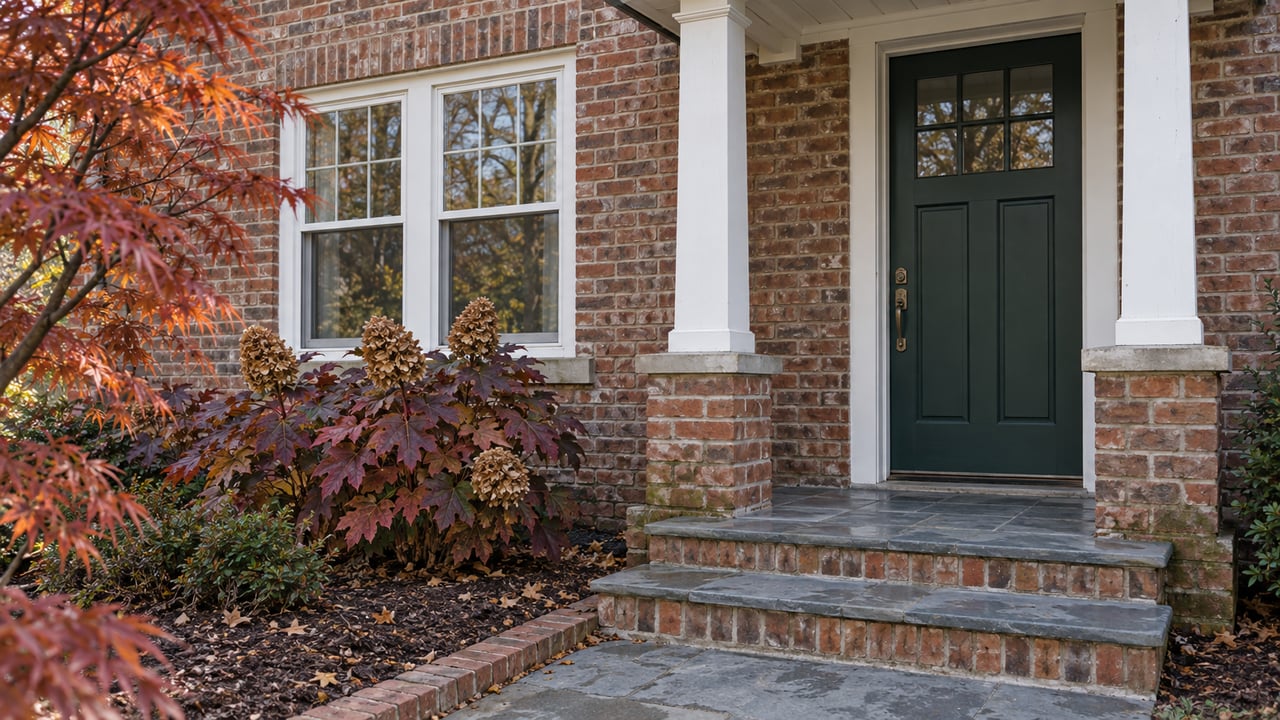
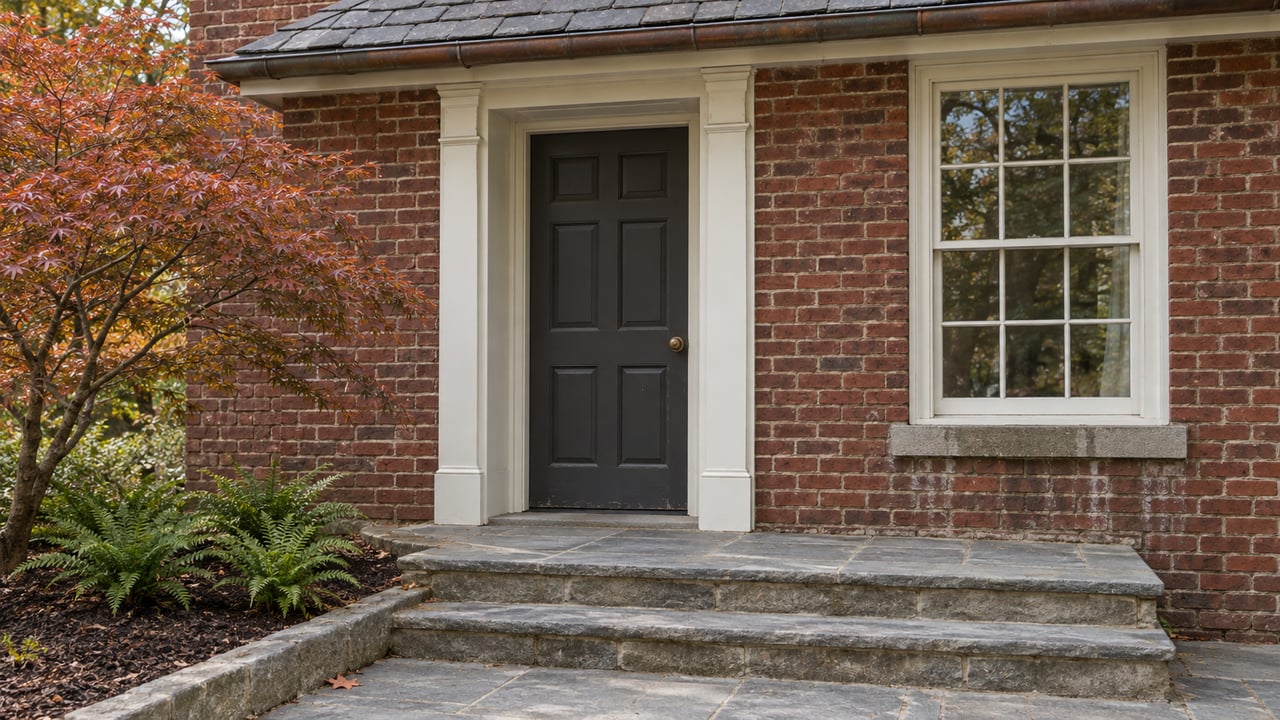
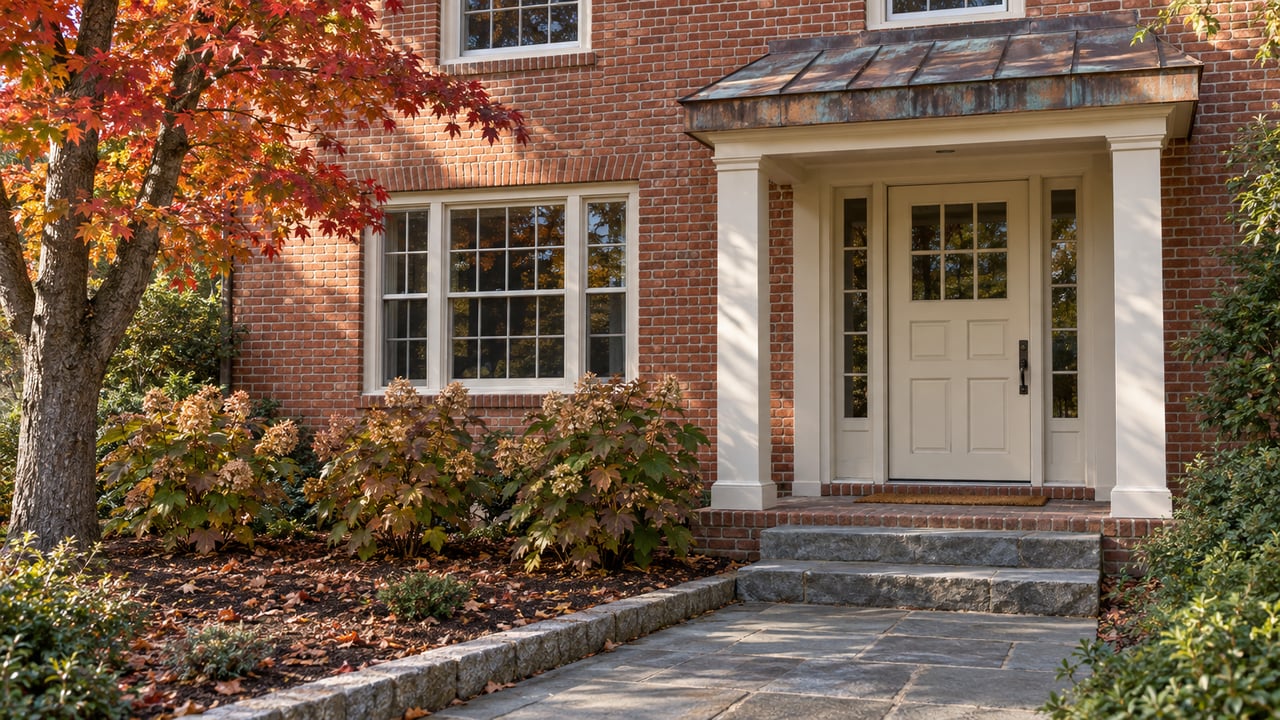
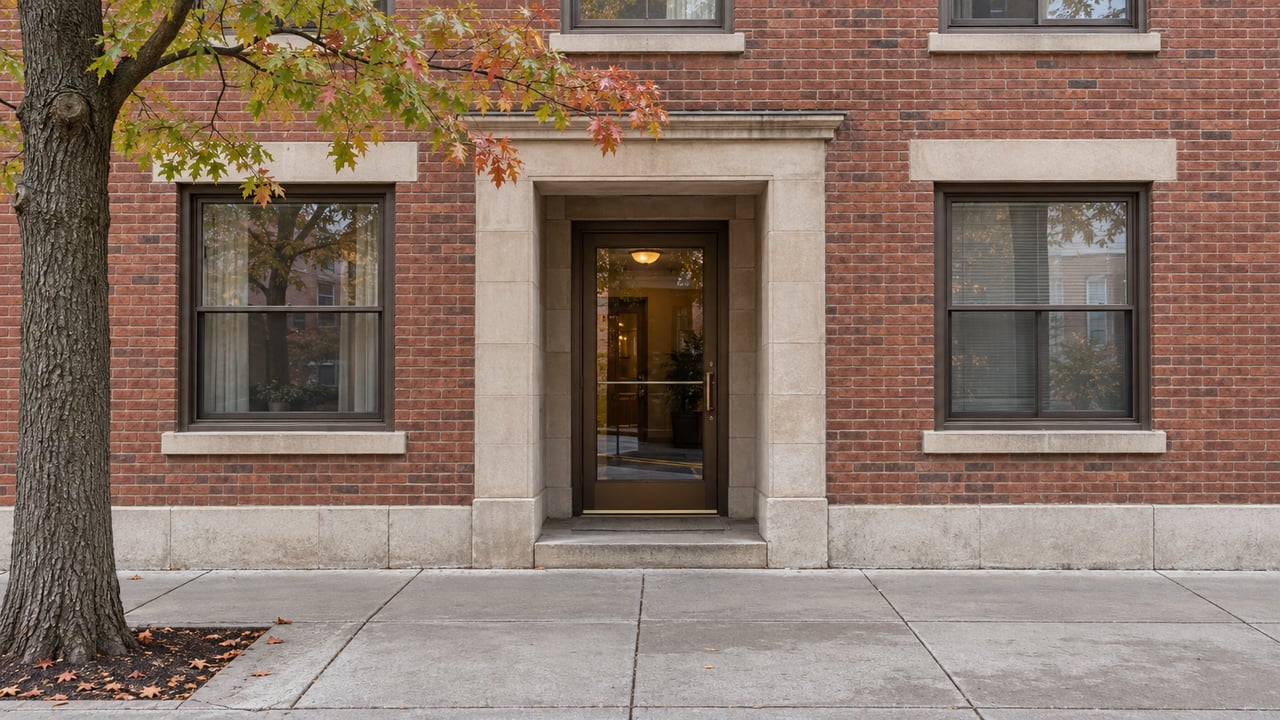
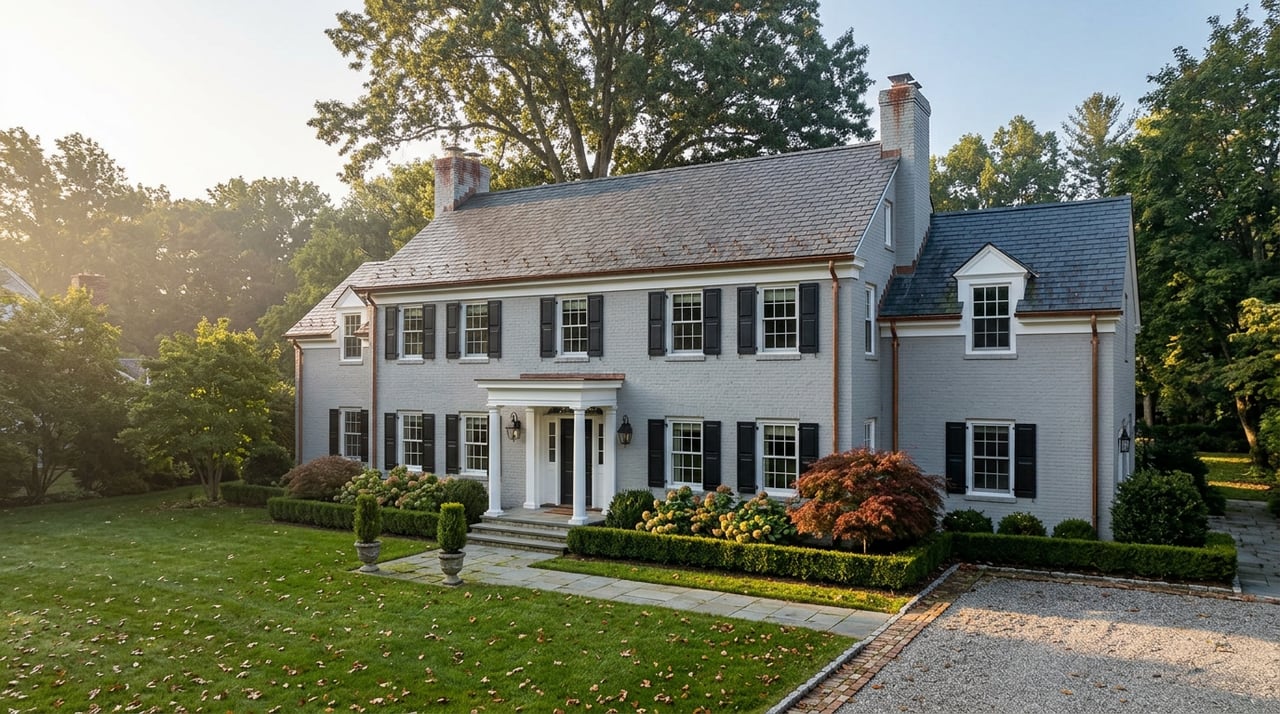
The area is known for its 18th- and 19th-century architecture, cobblestone streets, and brick-and-frame row houses, according to DC’s description of Georgetown. For you as a buyer, that usually means a smaller, more boutique condo market with conversions and low-rise buildings rather than rows of standard high-rise towers.
What Georgetown Condo Inventory Looks Like
If you are starting your search, one of the first things to understand is how limited the condo supply can be. Redfin’s Georgetown condo page currently shows 21 condos for sale, with a median listing price of $890K and an average of 46 days on market. That is a relatively small pool, which can make it harder to wait for the perfect fit.
The same source notes that Georgetown’s March 2026 median sale price across all property types was $1.65M. In other words, even entry-level opportunities here often come with a higher price point than many first-time buyers see in other DC neighborhoods.
That does not mean Georgetown is off the table. It means you need a clear plan, realistic expectations, and a strong understanding of where the true monthly cost will land.
What You Are Really Paying For
In Georgetown, buyers are often paying for more than square footage alone. The neighborhood offers a highly walkable environment, with Georgetown BID reporting more than 150 clothing and fashion stores and over 100 restaurants centered around M Street and Wisconsin Avenue. If you value being able to run errands, meet friends for dinner, or spend a weekend browsing shops without needing a car, that convenience becomes part of the purchase decision.
You are also buying into strong outdoor access. Georgetown Waterfront Park runs along the Potomac from 31st Street to Key Bridge and connects to 225 miles of parkland. The National Park Service also highlights the C&O Canal, Old Stone House, Dumbarton Oaks Park, Montrose Park, and Francis Scott Key Park as part of Georgetown’s broader amenity base.
That combination of historic character, walkability, and waterfront access is a big reason Georgetown remains so appealing, even without its own Metro station.
Transit and Commuting in Georgetown
One of the biggest tradeoffs for first-time buyers is transit. Georgetown does not have its own Metro stop, which can surprise buyers who are used to searching in rail-centered DC neighborhoods. According to Georgetown BID, Foggy Bottom-GWU is about a 15-minute walk away, and Rosslyn is a short walk across Key Bridge.
That said, bus access plays a bigger role here than many buyers expect. WMATA’s C91 route serves Georgetown, Dupont Circle, Logan Circle, and Eckington on weekdays, while Route 33 provides frequent service between Georgetown and Union Station every 7 to 10 minutes during most daytime and evening hours.
If your top priority is the simplest possible Metro commute, you may find yourself comparing Georgetown with neighborhoods that have direct rail access. If your priority is neighborhood character, strong walkability, and waterfront proximity, Georgetown may still come out ahead.
Parking, Storage, and Bike Access
Do not assume a Georgetown condo comes with easy parking or extra storage. This is one of the most important practical checks for first-time buyers, especially if you are moving from a rental where parking worked differently.
Georgetown BID’s transportation information says the neighborhood has 20 parking lots and garages with more than 3,800 spaces, nearly 50 public bike racks, a bike-fixit station at 34th and Water, and eight Capital Bikeshare stations. That is useful neighborhood infrastructure, but it does not replace confirming what comes with a specific unit.
Before you move forward on any condo, ask whether parking is included, assigned, deeded separately, rented, or not available at all. Do the same for storage, bike rooms, and move-in logistics.
Budget for the Full Monthly Cost
For first-time buyers, the mortgage payment is only part of the picture. Condo or HOA dues can make a major difference in affordability, and the Consumer Financial Protection Bureau notes that these fees can range from a few hundred dollars per month to more than $1,000.
The CFPB also points out that condo fees are often not included in mortgage escrow. That means you need to calculate your real monthly carrying cost by combining principal, interest, taxes, insurance, and condo dues rather than focusing on the mortgage alone.
This matters even more in a premium market like Georgetown. A condo that looks manageable on price can feel very different once you factor in monthly dues, parking costs, and any building-specific fees.
Understand the Condo Association
The health of the condo association can affect both your finances and your financing. Fannie Mae and Freddie Mac review issues such as reserve adequacy, special assessments, delinquent dues, pending litigation, and excessive commercial space in a project. Fannie Mae also says lenders look closely at the reason for any special assessment and whether owners can absorb the added cost.
For you, this means association review is not just a box to check. It is part of understanding whether the building is being run in a way that supports long-term stability and resale value.
Some of the best questions to ask include:
- What does the monthly condo fee cover?
- How much does the association have in reserves?
- Is a special assessment planned or being discussed?
- Are there delinquent owners affecting building finances?
- Are there rental caps, pet rules, or move-in fees?
- Are parking and storage included or extra?
Historic District Rules Matter
Georgetown’s historic status is part of its appeal, but it also creates extra layers of review. According to DC Planning’s Georgetown historic district overview, the Old Georgetown Act gives the Commission of Fine Arts and the Old Georgetown Board responsibility for most exterior construction reviews, and Georgetown uses different review procedures for most exterior work permits.
For condo buyers, that can matter more than you think. If you are considering a unit with outdoor space, older windows, or any future exterior updates, ask early whether those changes would require additional review. Windows, doors, terraces, roof work, and facade changes may involve a process that is more constrained or slower than in other DC neighborhoods.
This does not need to be a deal breaker. It just means you should understand the rules before you buy, not after.
What DC Law Gives You
DC condo resale rules give buyers useful disclosure rights. Under DC law on condominium resale disclosures, sellers must provide condo instruments and a resale certificate that includes items such as planned capital expenditures and reserve information within 10 business days of contract execution. The law also requires associations to keep financial records available for proper-purpose inspection by unit owners.
For a first-time buyer, this is where careful document review becomes critical. The resale package can tell you a lot about how the building is managed, what repairs may be coming, and whether your future monthly costs could change.
A Smart First-Time Buyer Checklist
If you are serious about buying a Georgetown condo, keep your focus on the details that most directly affect ownership experience.
Review the true monthly payment
Make sure you are comparing total monthly cost, not just the mortgage estimate. Include taxes, insurance, condo dues, parking charges, and any other recurring fees.
Confirm building financials
Read the resale certificate and financials closely. Pay attention to reserves, capital projects, special assessments, and any signs of deferred maintenance.
Check financing fit
Ask your lender whether the building raises any condo-review concerns. A unit can look great in person but still present financing hurdles depending on the project.
Verify parking and storage
Get clear answers in writing when possible. In Georgetown, these details should never be assumed.
Ask about renovation limits
If you hope to make changes, especially to anything exterior-facing, ask what approvals would be required. Historic review may affect both timeline and flexibility.
Is Georgetown Right for Your First Condo?
Georgetown can be a great fit if you want a highly walkable, historic, amenity-rich neighborhood and you are comfortable with a smaller inventory pool and premium pricing. It is especially compelling if you value neighborhood character, access to shops and restaurants, and proximity to the waterfront more than having a Metro station in the neighborhood itself.
For many first-time buyers, the real decision is not simply whether they can afford the purchase price. It is whether the full carrying cost, transit setup, association health, and historic-district constraints match the way they want to live.
If you want help evaluating Georgetown condos and comparing them with other DC options, Andrew Riguzzi can help you build a clear strategy and make sense of the tradeoffs before you move.
FAQs
What should first-time buyers know about Georgetown condo prices?
- Georgetown condo inventory is limited and premium-priced, with Redfin currently showing 21 condos for sale at a median listing price of $890K.
What should first-time buyers know about Georgetown transit?
- Georgetown does not have its own Metro station, so many buyers rely on walking to Foggy Bottom or Rosslyn and using bus routes like the C91 and 33.
What should first-time buyers ask about Georgetown condo fees?
- You should ask what the monthly fee covers, whether parking or storage costs extra, and whether condo dues are realistic within your full monthly budget.
What should first-time buyers review in a Georgetown condo association?
- Focus on reserves, planned capital expenditures, special assessments, delinquent dues, rules, and any signs the building may face financing concerns.
What should first-time buyers know about Georgetown historic district rules?
- Because Georgetown is a historic district, exterior changes like windows, doors, terraces, roof work, or facade updates may require added review and approval.
What documents do first-time buyers receive for a Georgetown condo resale?
- DC law requires sellers to provide condo instruments and a resale certificate that includes key details such as reserve status and planned capital expenditures.