Wondering how to price your Georgetown home without leaving money on the table or watching it sit too long? That is the challenge in a market where values are high, buyer expectations are sharp, and broad neighborhood averages can miss the mark. If you are planning to sell in Georgetown, the right pricing strategy starts with the details that make your home and your block distinct. Let’s dive in.
Why Georgetown pricing is different
Georgetown is not a market where one average number tells the full story. Depending on the source and time period, reported values vary quite a bit, from Zillow’s average home value of about $1.5 million to Redfin’s February 2026 median sale price of $1.726 million and Realtor.com’s December 2025 median home price of $1.895 million.
Those differences are a reminder that portal numbers are broad benchmarks, not a pricing plan. They also point to an important reality for sellers: Georgetown is a high-price market, but it is not a market where you should assume buyers will automatically pay over asking.
Recent data suggests buyers are still negotiating. Realtor.com reports homes closing at about 97% of asking, while Redfin’s summary shows homes selling around 2% below list price and taking about 60 days to sell. That means your list price needs to be well supported from day one.
Start with micro-location
In Georgetown, where your home sits matters almost as much as what your home is. The neighborhood includes distinct areas like the Residential Neighborhood, Georgetown Waterfront, C&O Canal, M Street, Wisconsin Avenue, Book Hill, Cady’s Alley, and the Georgetown University area, according to the Georgetown BID neighborhood guide.
That matters because buyers do not view every Georgetown property the same way. A quiet rowhouse north of M Street, a condo near the waterfront, and a canal-adjacent property may attract different buyers for different reasons.
The Georgetown BID also notes that residential blocks north of M Street feature tree-lined streets and homes ranging from modest rowhouses to large estates, while waterfront and canal areas offer a different mix of park access, riverfront recreation, and nearby retail and dining. In practical terms, your pricing strategy should reflect your home’s immediate surroundings, not just the Georgetown name.
Why block-level comps matter
A seller can get into trouble by pricing off neighborhood averages alone. If your home backs to a quieter street, offers parking, or sits close to the waterfront, buyers may compare it to a narrower and more specific set of listings.
That is why a Georgetown pricing strategy should rely heavily on recent nearby sales with similar location appeal. In a market with multiple micro-areas, block-level evidence is often more useful than broader neighborhood statistics.
Historic character affects value
Georgetown’s architecture is a major part of its appeal, and it plays a direct role in pricing. The DC Office of Planning states that the Georgetown Historic District was created in 1950, was Washington’s first historic district, and is a National Historic Landmark.
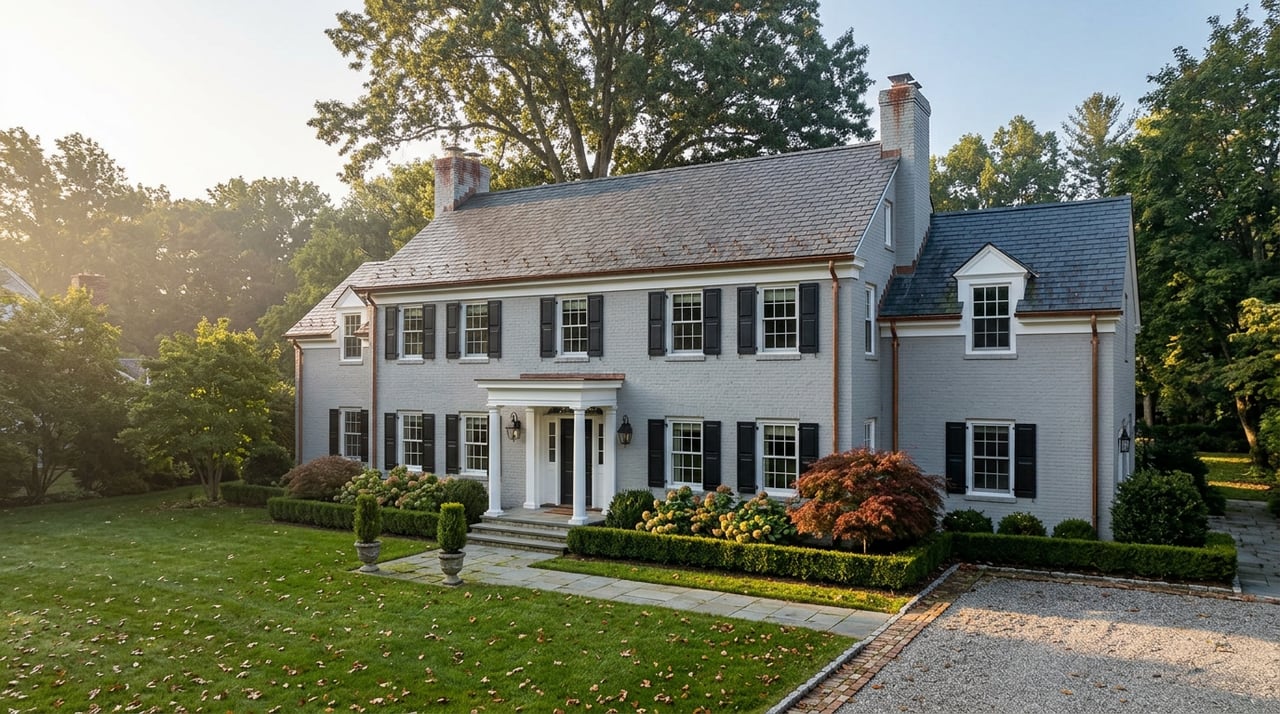
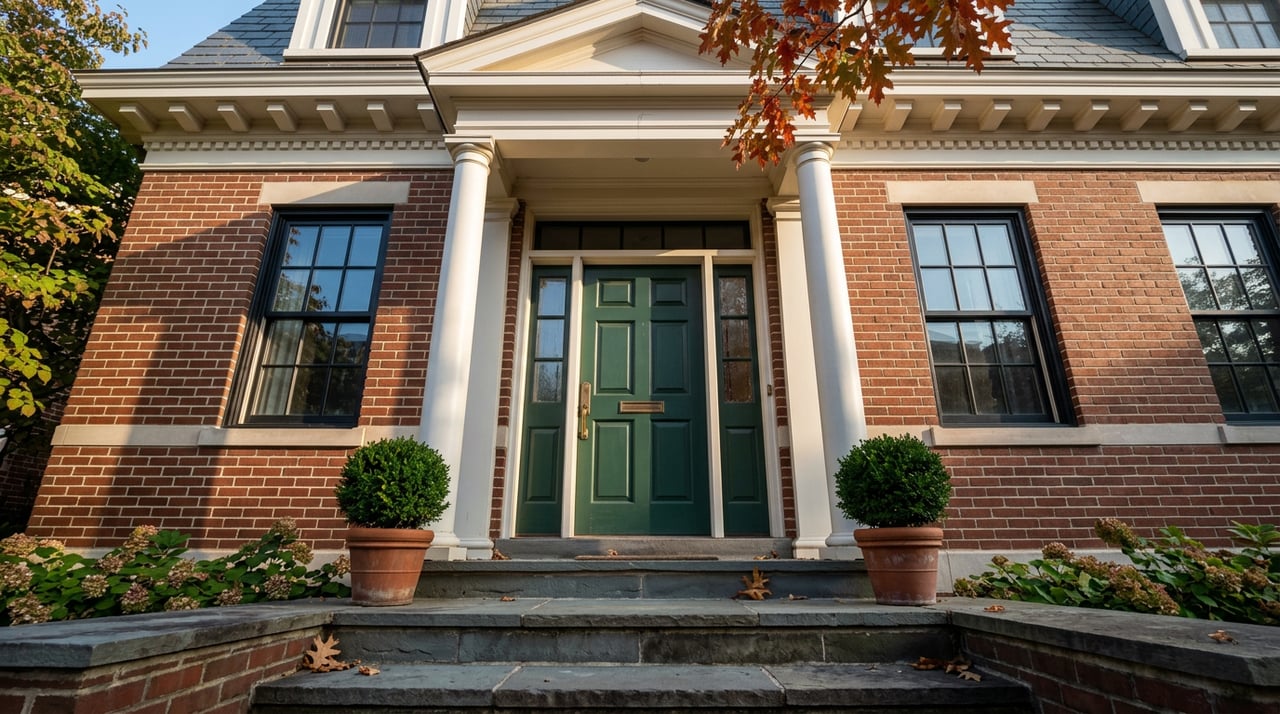
Because Georgetown is formally historic, buyers often pay close attention to architectural style, preservation, updates, and exterior condition. The historic district nomination describes a built environment with brick and wood-frame rowhouses, generally three stories or fewer, along with detached homes, apartment buildings, and tenant houses in styles including Georgian, Federal, Classical Revival, and Victorian-era forms.
Original details versus modernization
In Georgetown, square footage is only part of the equation. Original millwork, fireplaces, historic facades, and period character can strengthen value, but so can thoughtful modernization.
Buyers often weigh charm against convenience. A turnkey historic home may command a premium, while a similar home with deferred maintenance or uncertain renovation needs may need a more conservative price to attract the right response.
Condition is not a minor detail
According to the National Association of Realtors consumer guide on pricing, agents should evaluate size, location, amenities, and property condition when setting a price. Upgrades, repairs, and seller concessions can all affect value.
That is especially important in Georgetown, where condition can change how buyers interpret the same floor plan or address. Two similar rowhomes on nearby blocks may attract very different pricing depending on systems, kitchen and bath updates, windows, roof condition, and the level of finish.
What buyers notice quickly
When buyers compare Georgetown homes, they often focus on:
- Renovation quality
- Exterior condition
- Kitchen and bath updates
- Parking availability
- Outdoor space
- Views or proximity to the waterfront or canal
- Signs of deferred maintenance
If your home is beautifully updated, pricing can reflect that. If the next buyer is likely to budget for repairs or renovation, the list price should account for that reality up front.
Build a price range, not just one number
A smart pricing strategy starts with a comparative market analysis, or CMA. NAR defines comps as similar properties that have recently sold in the same area, and notes that a CMA may also include under-contract and active listings.
Fannie Mae’s comparable sales guidance adds that comps should share similar physical and legal characteristics, including site, room count, finished area, style, and condition. It also says at least three closed comparable sales should be used in the sales comparison approach when possible.
What strong Georgetown comps look like
In Georgetown, the best comp set is often tighter than sellers expect. The most useful comparisons usually share several of the following:
- Similar block or immediate area
- Similar housing type, such as rowhouse or condo
- Similar architectural style
- Similar condition and finish level
- Similar outdoor space or parking setup
- Similar relationship to the canal, waterfront, or quieter residential streets
If a property is unusual, Fannie Mae allows appraisers to look to competing market areas when necessary, as long as the reasoning is clearly explained and location differences are addressed. That can matter in Georgetown, where truly comparable homes may be limited.
Do not price from portals alone
Online estimates can be useful for context, but they should not drive your list price. Zillow, Redfin, and Realtor.com each report different values because they use different data sets, time windows, and metrics.
That is why your pricing decision should come back to a local CMA built from recent sales, current competition, and your home’s exact features. In Georgetown, a broad estimate can miss the premium or discount tied to your block, condition, or property type.
Match the strategy to your goals
Pricing is not only about value. It is also about timing, leverage, and your tolerance for negotiation.
NAR notes that sellers who want to move quickly may choose a more competitive asking price, while sellers with more time may test a higher price. It also points out that offer terms matter too, including cash and fewer contingencies.
If speed matters most
If your priority is a faster sale, your price should be tight to the evidence. In a market where homes are taking roughly 60 to 70 days to sell and often closing below asking, an aggressive list price can extend days on market and weaken your position.
If your home is truly unique
A special home may justify testing the higher end of a supported range. That works best when the home has clear differentiators, such as exceptional renovation quality, rare parking, outdoor space, or standout positioning near the waterfront or canal.
Even then, the asking price should still be grounded in real comparable evidence. Unique does not mean unbounded.
Marketing supports price, but does not replace it
Strong presentation can help protect your asking price, but it cannot rescue an unrealistic one. In Georgetown, marketing should highlight the details buyers care about most, including the exact block, historic character, upgrades, parking, outdoor space, and proximity to the waterfront, canal, or residential streets.
That level of detail helps buyers understand why your home is priced where it is. It also makes your property easier to compare against the right competition.
Know when the market is speaking
If showings are light or offers are not materializing, that is useful feedback. NAR identifies price reductions as a standard response when the market is not validating the current number.
In Georgetown, where buyers tend to be informed and selective, delayed adjustments can cost momentum. A well-timed correction is often better than waiting for the market to come around.
A practical Georgetown pricing approach
If you are preparing to sell, this is the framework to follow:
- Study your micro-location. Focus on your exact block and nearby buyer alternatives.
- Review true comparable sales. Prioritize recent, similar closed sales over broad estimates.
- Assess condition honestly. Price the home buyers will see today, not the one you imagine after updates.
- Factor in competition. Active and pending listings affect how buyers judge your value.
- Set a strategy based on your goals. Decide whether speed, price testing, or negotiation flexibility matters most.
- Watch early feedback closely. The first few weeks can tell you whether the price is working.
In a market like Georgetown, pricing well is less about chasing the highest number and more about creating the strongest position. When the price, property, and presentation line up, you give yourself the best chance at a smooth sale and a solid result.
If you are weighing where your home fits in Georgetown’s market, Andrew Riguzzi can help you build a pricing strategy around the right comps, condition, and block-level context. Let’s connect to discuss your real estate goals.
FAQs
How should you price a home in Georgetown, DC?
- You should base pricing on a local CMA with recent comparable sales, your home’s condition, and its specific micro-location rather than relying on Georgetown-wide averages.
Do Zillow or Redfin estimates work for Georgetown home pricing?
- They can help as broad benchmarks, but they should not replace a comp-based pricing strategy because Georgetown values vary by block, property type, and condition.
Do waterfront or canal-adjacent homes in Georgetown sell for more?
- They can justify a separate comp set, but any premium should be supported by nearby closed sales rather than assumed.
How much negotiation should sellers expect in Georgetown?
- Recent market data suggests many homes close around 97% to 97.5% of asking, so sellers should usually expect some negotiation.
Does historic status affect Georgetown home value?
- Yes. Historic character, architectural style, original details, and the scope of updates can all influence how buyers value a Georgetown property.