If you love Georgetown, you already know the appeal. These homes offer real architectural character, layered history, and details that are hard to replicate. But if you are buying, selling, or updating one, you also need to know that renovations here follow a different playbook. Understanding what tends to move smoothly, what draws extra review, and how to protect resale value can help you make smarter decisions from the start. Let’s dive in.
Why Georgetown updates are different
Georgetown is not just another historic neighborhood. The Georgetown Historic District was created in 1950 as Washington’s first historic district, and it includes some of the city’s oldest buildings.
That history matters when you renovate. In Georgetown, exterior compatibility carries unusual weight because changes can affect not just one home, but the broader historic streetscape.
For visible exterior work, the review process usually runs through the Old Georgetown Board and related Georgetown design review path. By law, the Old Georgetown Board comments on exterior architectural features, height, appearance, color, and texture of exterior materials.
That means the right question is not only, “What do you want to change?” It is also, “How visible is it, and how well does it fit the house and block?”
Start with what is easiest to update
If your goal is to improve function without creating approval headaches, interior-focused work is often the simplest place to begin. In many Georgetown homes, that means kitchens, baths, storage, lighting, and mechanical improvements.
According to DC’s preservation review exemptions, interior alterations generally do not require preservation review unless they involve a specifically designated historic interior. That gives owners more flexibility, especially when the project does not alter exterior openings or major structural elements.
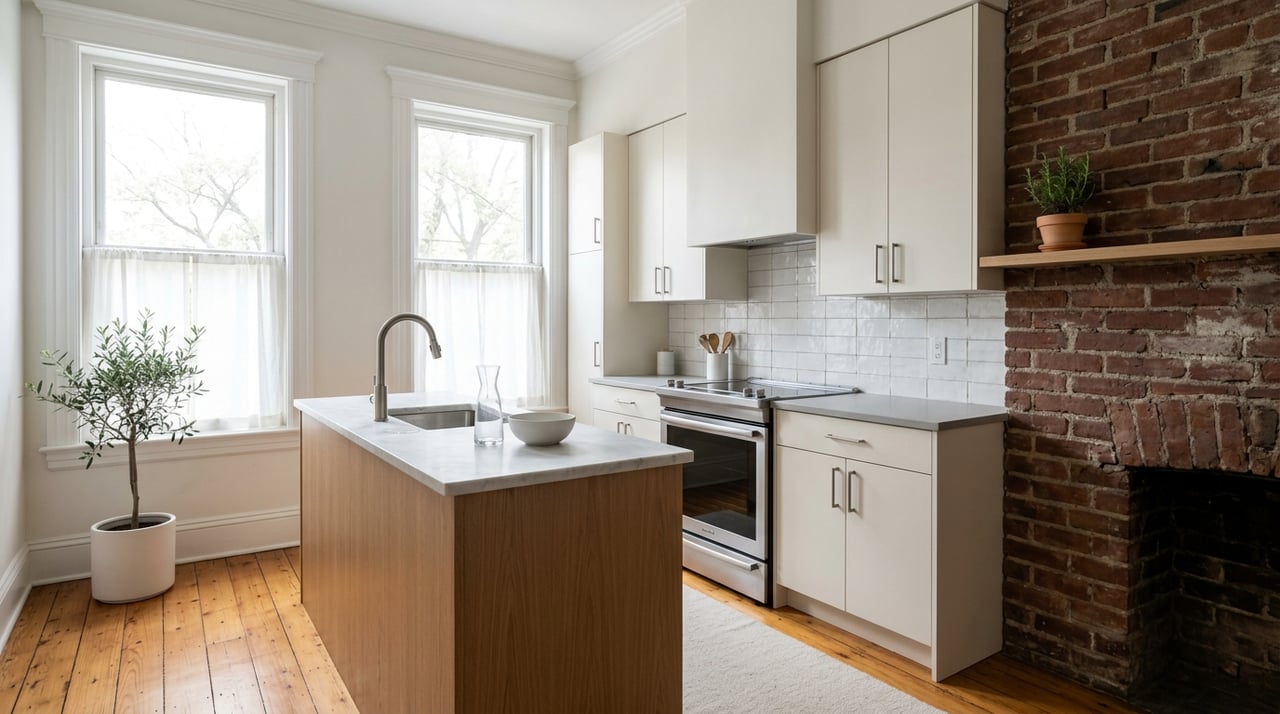
Kitchens and baths
Kitchen and bath remodels are usually less complicated from a preservation standpoint because they are interior projects. The main issue is not typically historic review, but whether the work affects structure, walls, or exterior openings.
If you are moving walls or creating new openings, the project can shift into permit-review territory even if the finished room is not visible from the street. DC’s guidance on building permits for historic property is a helpful baseline for understanding when that happens.
Energy upgrades inside the house
Efficiency improvements can also be a smart way to modernize a Georgetown home without changing its character. DC’s guidance for older and historic buildings recommends a step-by-step planning process, starting with the building shell and overall performance before you move to more visible exterior changes.
The city’s sustainability guide for older and historic buildings and its energy efficiency FAQ point to common measures like insulation, ventilation, efficient lighting and fans, and updated mechanical systems.
Repair first often protects character and value
One of the biggest themes in Georgetown renovations is that repair is often preferred over replacement. That is especially true for original materials that define how the home looks from the street.
For buyers and sellers, this matters because well-preserved original details can support both historic integrity and resale appeal. For owners planning updates, it can also help avoid unnecessary friction during review.
Windows and doors
Windows are one of the clearest examples. DC’s historic window guidelines strongly prefer repair over replacement for historic windows, especially on primary elevations.
If replacement is necessary, the new window should match the historic design, proportions, and opening size. Simple repair and maintenance usually do not require a building permit or HPO approval, but replacement does require a building permit and preservation review for compatibility.
If your goal is comfort and efficiency, less invasive options may help. The city specifically identifies weatherstripping, sealants, and storm windows or doors as useful energy-efficiency upgrades, and some double-glazed units can be approved if they meet design standards.
Front-facing details
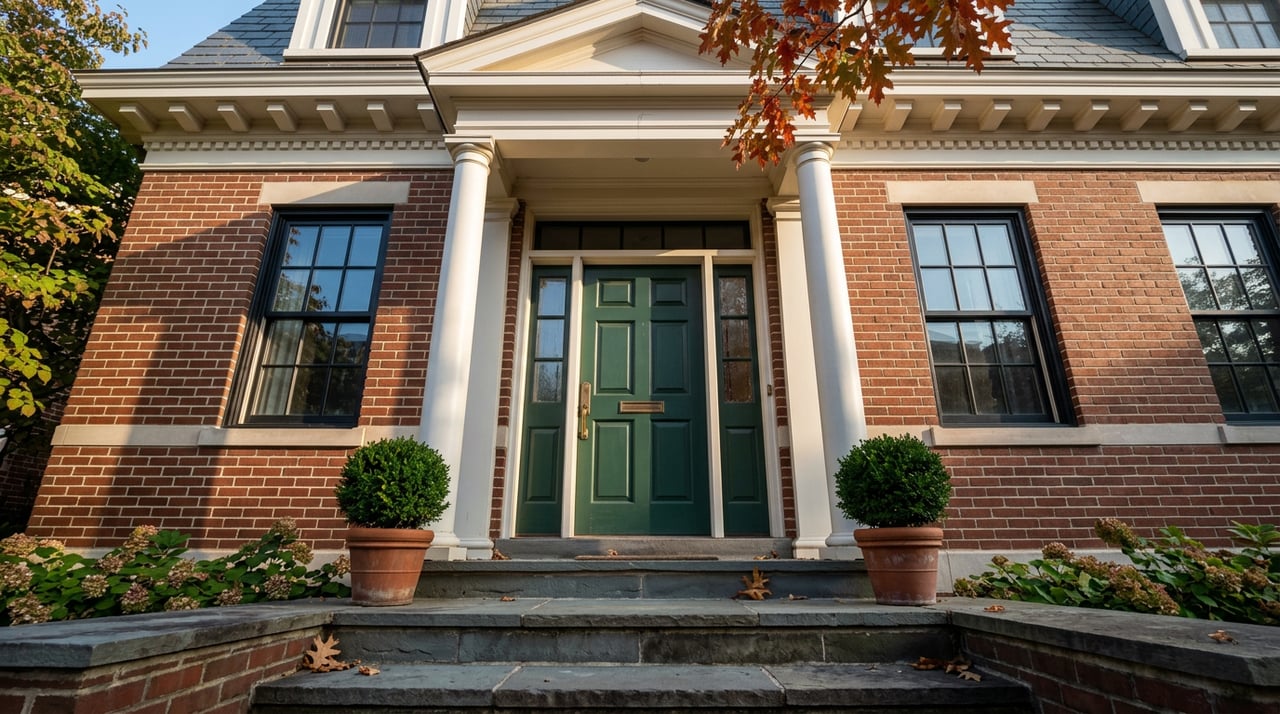
Front porches, steps, and facades often carry the greatest historic weight. DC’s porches and steps guidance notes that front porches and steps are character-defining features in many Washington homes.
Because of that, altering or enclosing a front porch is rarely considered appropriate. If you are weighing where to spend renovation dollars, preserving visible front-facing details is often the safer long-term move.
Rear additions usually offer more flexibility
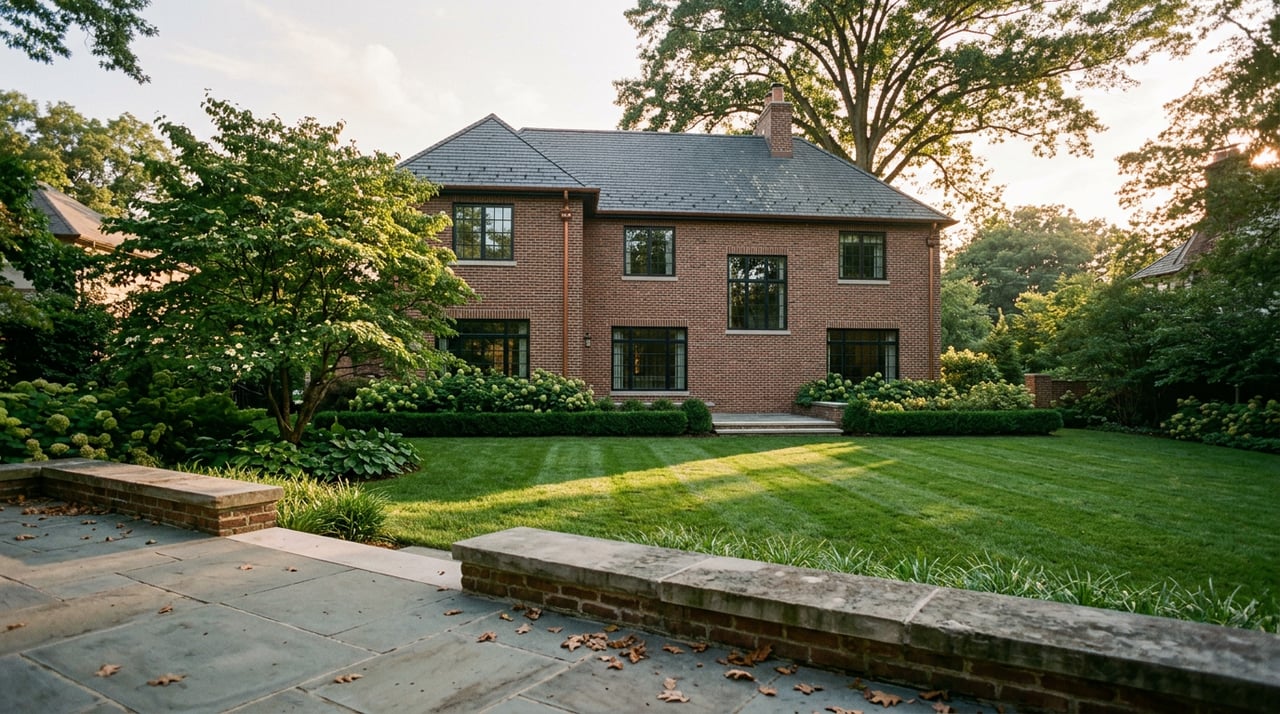
Many Georgetown owners want more space, better flow, or stronger indoor-outdoor living. In practice, rear-facing changes are often the most workable path.
DC’s additions guidance says new additions should be compatible with the original building and neighborhood, while still remaining distinct enough that they do not create a false sense of age. Rear additions usually fit that framework better than front additions.
What tends to work best
Projects that are often easier to advance include:
- Interior remodels
- Storm windows and weatherstripping
- Rear porches and decks
- Patios and other unobtrusive site features
- Backyard-focused improvements with limited public visibility
Many of these projects may qualify for HPO review at an expedited level when the work is unobtrusive and consistent with design standards.
What usually gets tougher review
Projects that often face more scrutiny include:
- Front additions
- Front porch enclosures
- Large side additions
- Roof additions or roof decks visible from the street
- Large rear additions with strong visual impact
If a roof deck or addition is visible from a street, it is more likely to receive board-level review. In Georgetown, that can add meaningful time and complexity.
Understand the Georgetown timeline before you start
A renovation plan may look straightforward on paper, but Georgetown timing can surprise buyers and owners who are new to the process. For visible exterior work, approvals often move on a monthly cycle rather than a rolling one.
The Old Georgetown Board schedule is a key detail. The board meets the first Thursday of each month, except in August, submissions must be filed by 5:00 PM on the deadline date, and the Commission of Fine Arts takes final action two weeks later.
That timeline is one reason planning ahead matters so much. In some cases, the approval process can take longer than the actual construction work.
Early coordination can save time
For larger projects, DC encourages preliminary design review and the Georgetown application process before permit filing. Concept review can help resolve issues early, before working drawings are complete.
Community coordination can also affect timing. DC notes that major projects are often discussed with ANC 2E before the Old Georgetown Board, and that meeting typically happens two days before the monthly board meeting. If your project is substantial, early outreach can be a practical part of keeping the timeline under control.
Buyers should verify more than finishes
If you are buying a Georgetown home, updated finishes alone should not be the whole story. What matters just as much is whether the work was properly approved and completed within the permitted scope.
DC states that buildings under construction must have a permit posted where it is visible from public space, and buyers can use the city’s inspection and compliance resources to check permit history through Scout or request an inspection if needed.
What to ask for before closing
If a Georgetown property has been renovated, ask for documentation tied to:
- Exterior changes
- Additions or expansions
- Window replacements
- Roof work or roof decks
- Decks and porches
- Work in public space
- Final sign-off on completed work
It is also wise to confirm whether the property has any historic preservation easement that could require separate written approval before exterior alterations. Georgetown’s status as a protected historic district makes due diligence especially important.
Sellers should think about updates strategically
If you are preparing a Georgetown home for sale, not every renovation will improve marketability or timing. In many cases, the strongest approach is to focus on updates that preserve original character, improve everyday function, and come with clear documentation.
That can mean repairing original windows instead of replacing them, refreshing kitchens and baths without over-altering the home, or improving efficiency through less visible upgrades. Buyers often respond well to homes that feel thoughtfully improved rather than over-reworked.
A well-documented project also helps reduce friction during contract review. When approvals, permits, and final sign-offs are organized, buyers tend to feel more confident about what they are purchasing.
Keep charm and function in balance
The best Georgetown renovations usually do not try to erase age. They work with the house, preserve what gives it identity, and make careful updates where they add comfort, usability, and long-term value.
If you are buying, selling, or weighing renovation decisions in Georgetown, a process-driven strategy matters. The right guidance can help you think through approval risk, resale impact, and what improvements are most likely to support your goals. If you want to talk through your next move, connect with Andrew Riguzzi.
FAQs
What Georgetown home updates are usually easiest to approve?
- Interior work, storm windows, weatherstripping, rear porches or decks, patios, and other unobtrusive features are usually the least complicated.
What Georgetown home updates usually face the most review?
- Front additions, front porch enclosures, and roof additions or roof decks visible from the street are among the most likely to trigger fuller review.
What should buyers verify before closing on a Georgetown home?
- Buyers should review permit history, approvals for exterior changes, and whether any historic preservation easement applies to the property.
Do interior renovations in Georgetown usually require preservation review?
- Interior alterations generally do not require preservation review unless they involve a specifically designated historic interior.
Can you improve energy efficiency in a Georgetown historic home?
- Yes. DC guidance supports measures like insulation, ventilation, weatherstripping, storm windows, and other planned efficiency upgrades when they are handled in a compatible way.