If you picture cobblestone alleys, brick rowhouses, and mornings on the water, you’re already halfway to understanding Georgetown. You want a neighborhood that feels historic and lived‑in, with coffee, errands, and green space all within a short walk. In this guide, you’ll learn how daily life actually unfolds here, from commute patterns and parks to housing and renovation rules. Let’s dive in.
What a typical day feels like
Morning on the waterfront
Start early along the C&O Canal towpath or the river. The public spaces at Georgetown Waterfront Park were designed for everyday use, with broad paths, lawn steps, and room to pause between workouts and work. You will see runners, dog walkers, and neighbors meeting up before the day kicks in. For on‑water time, seasonal rentals at nearby boathouses make paddling part of the routine. Learn more about the park’s layout and amenities from the National Park Service’s overview of Georgetown Waterfront Park.
Midday errands and campus energy
By late morning, M Street and Wisconsin Avenue carry the rhythm. These are your main corridors for boutiques, cafés, services, and quick grocery stops. Georgetown University adds steady foot traffic near the hilltop campus, so you’ll notice a mix of students and locals throughout the day. The neighborhood Business Improvement District keeps a running pulse on retail and events in its FAQ and visitor info.
Evenings and weekends out
Evenings trend toward the waterfront or neighborhood restaurants. You’ll find long‑running favorites next to newer seafood and Italian spots, plus a few small venues for jazz or drinks. On weekends, locals plan around signature BID‑hosted happenings like light‑art installations and seasonal markets that bring neighbors out. For what’s current, check the BID’s events and updates.
Parks, gardens, and quiet corners
Garden museums that feel local
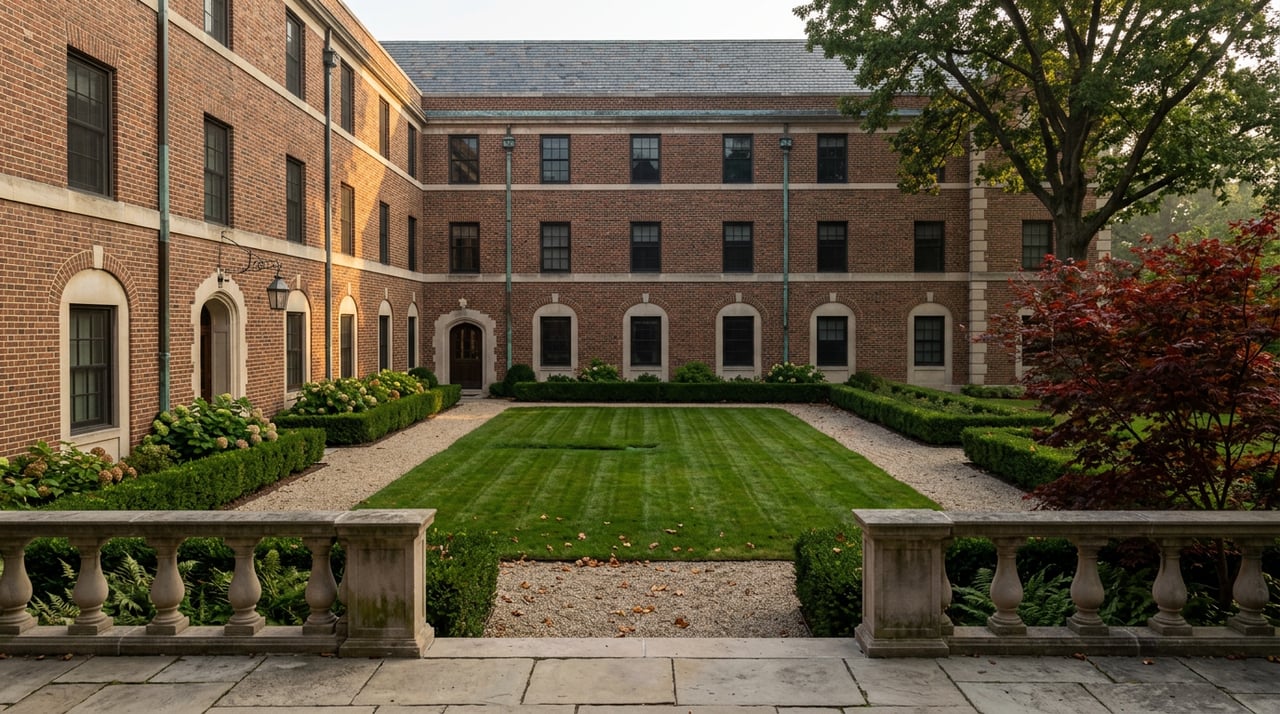
Beyond the river, Georgetown has calm anchors that residents use year‑round. Dumbarton Oaks offers museum collections and formal gardens that feel tucked away from the commercial core. Tudor Place provides a historic house and gardens with regular programming. These are the places you go for a slow Saturday or a visiting friend. Get a sense of the garden experience at Dumbarton Oaks Museum.
Housing character and renovation reality
What you see on every block
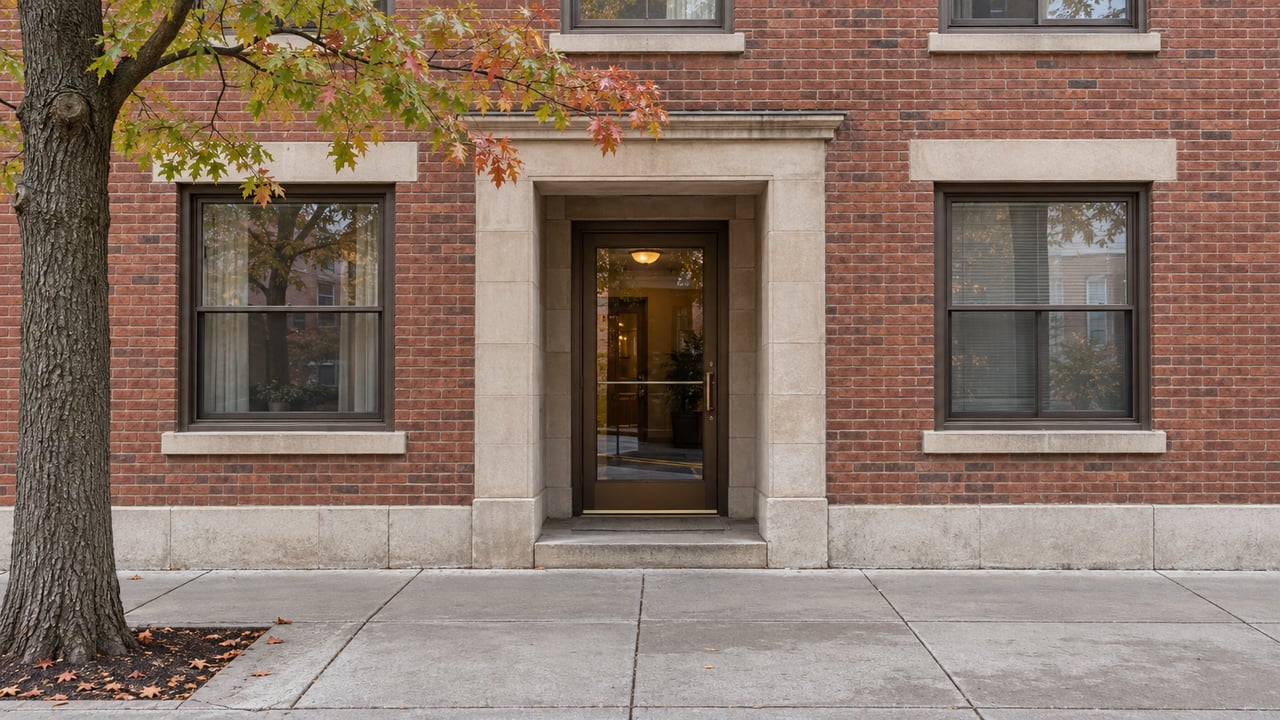
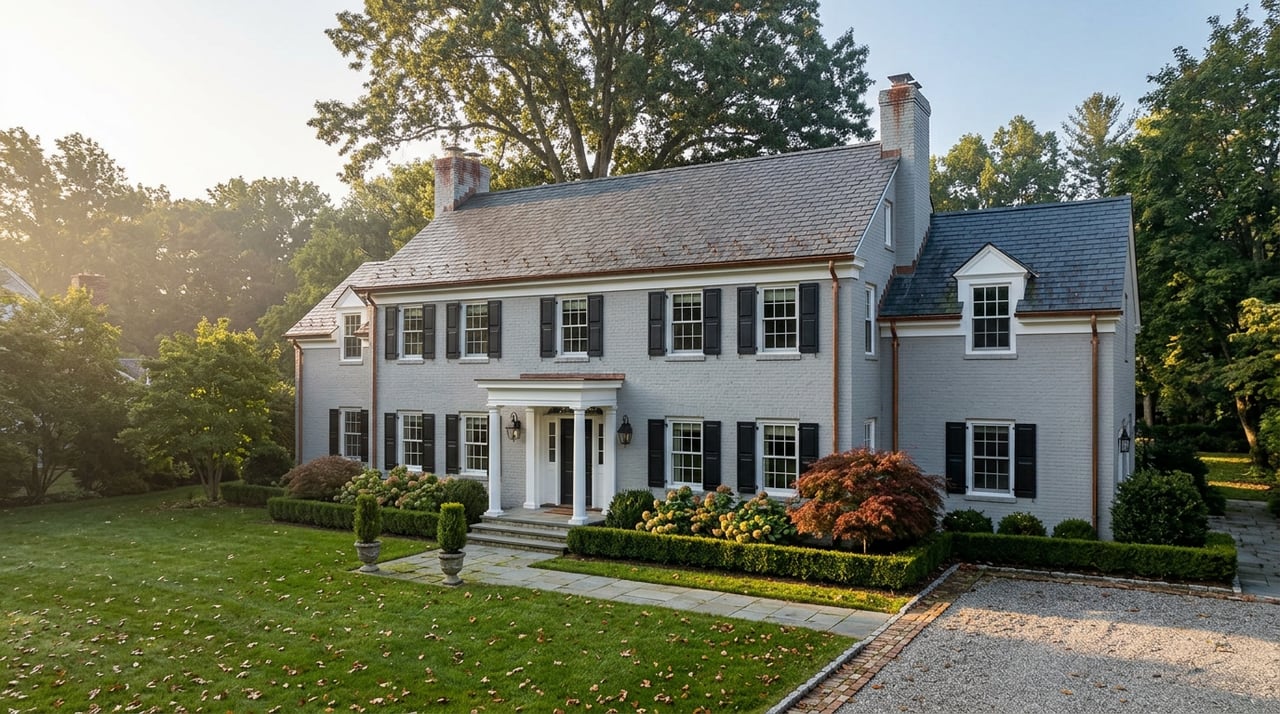
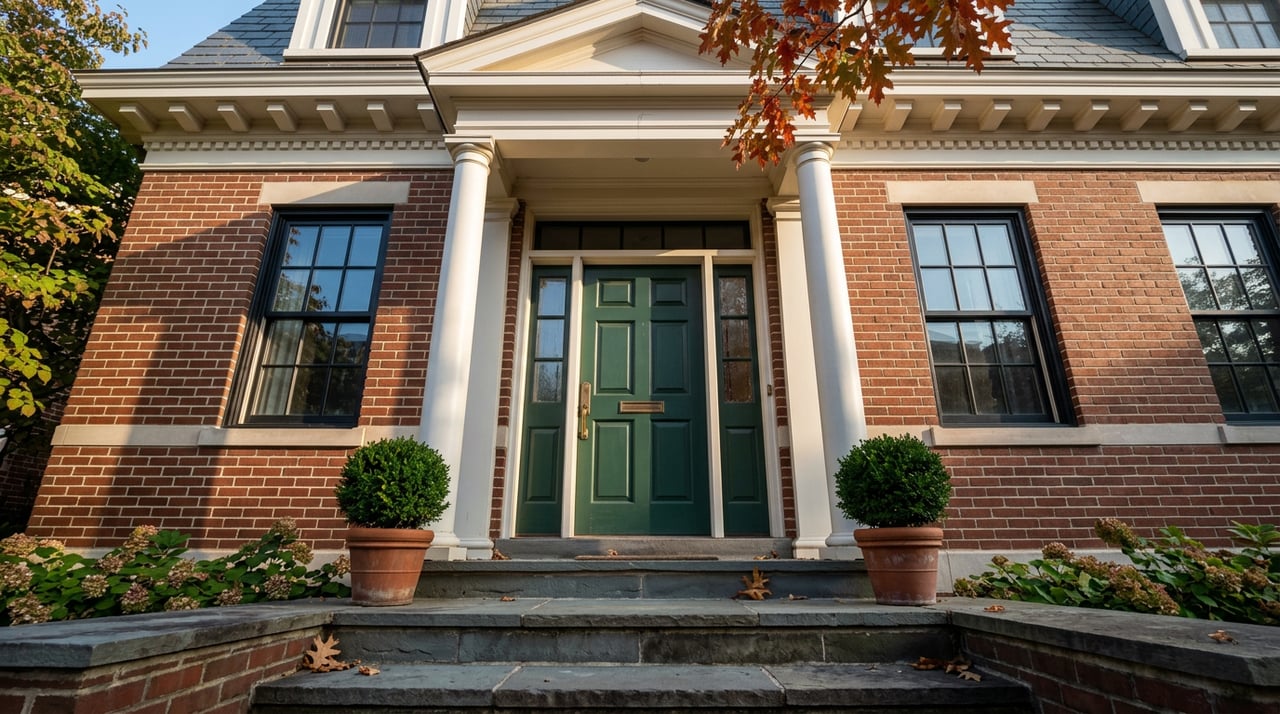
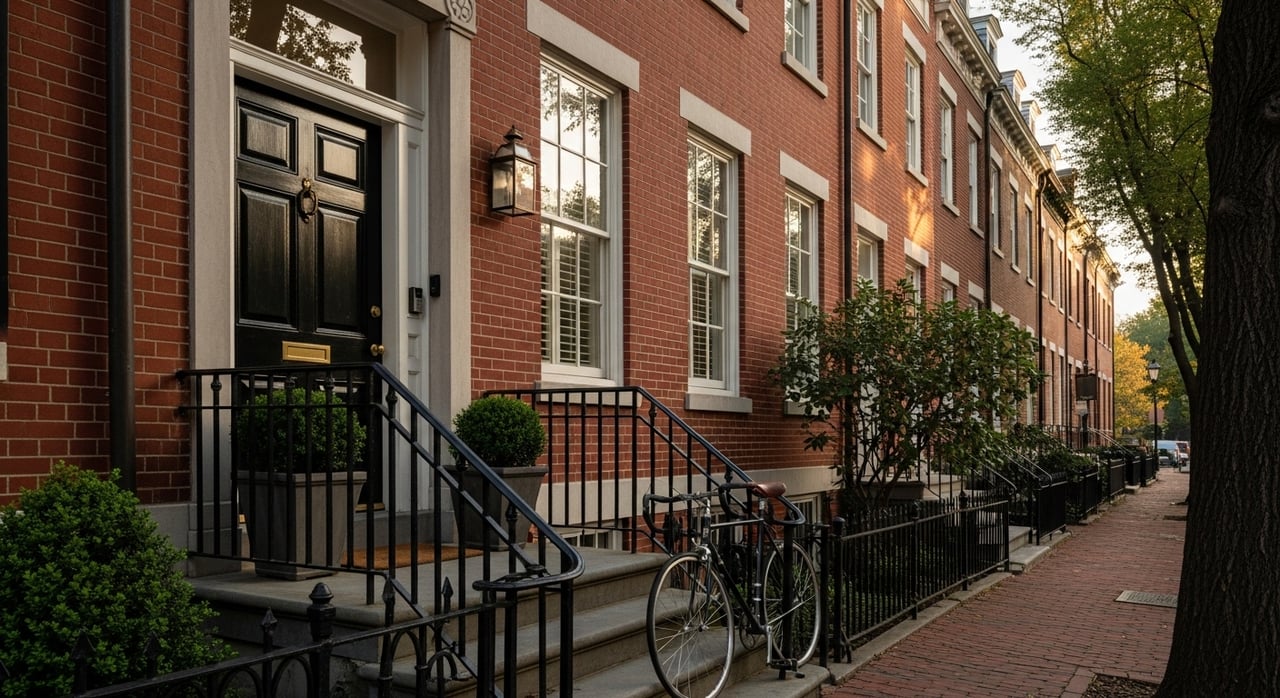
Georgetown’s streetscape is low‑rise and historic. You’ll walk past Federal and Victorian rowhouses, narrow townhomes, small garden apartments, and a handful of condo conversions. Because the neighborhood is a designated historic district and National Historic Landmark, the exterior character is carefully preserved. The DC Office of Planning explains the district’s history and context in its Georgetown Historic District overview.
Renovating in a historic district
If you plan to remodel, know the rules before you buy. Exterior changes and visible additions often require review by the Old Georgetown Board and the Commission of Fine Arts. That review can add design time and coordination to your project, which is normal here but a surprise if you’re used to suburban timelines. Start with the city’s guidance on the Old Georgetown Act and review process, and work with an architect who understands local standards.
Getting around day to day
Walk, bike, and scooters
This is a walk‑everywhere neighborhood. Walk Score classifies Georgetown as very walkable with strong bike access, which lines up with what you’ll feel on the ground. Capital Bikeshare stations and e‑scooters are common for short hops, and the compact grid makes quick rides easy. See the neighborhood’s ratings on Walk Score’s Georgetown page.
Transit without a Metro stop
There is no Metrorail station inside Georgetown. Most residents walk or bike to Foggy Bottom–GWU or take buses along M Street and Wisconsin Avenue to connect with the Metro network. Georgetown University’s GUTS shuttles serve campus‑affiliated riders and plug in to Dupont and Rosslyn. The BID’s FAQ and DDOT’s corridor analysis provide helpful context; you can review route planning in DDOT’s Georgetown Transportation Study. Seasonal water taxi service also links the waterfront with The Wharf and Alexandria, which locals treat as a fun alt‑route.
Parking and permits
Parking is limited near the commercial core and tighter on narrow residential blocks. Many streets fall under DC’s Residential Permit Parking rules, with specific enforcement windows and visitor permit options. Expect active meter enforcement near M Street and Wisconsin Avenue and read posted signs carefully. DDOT’s documentation outlines permit zones and rules in its ParkDC and permit guidance.
Cost and market context
Georgetown is one of DC’s priciest, lowest‑inventory neighborhoods. Market snapshots often place median sale prices in the high six‑figure to multi‑million range depending on property type and month. Rents typically trend above the city median as well, with one‑bedrooms in the low to mid thousands and larger homes commanding more based on location and vintage. If you want the latest month‑by‑month numbers, ask for a fresh snapshot before you tour so your expectations match current conditions.
Who chooses Georgetown
You’ll meet a blend of long‑term homeowners, professionals who value proximity to downtown and embassies, and a visible university presence. The mix keeps weekdays lively and weekends balanced between quiet residential blocks and busier corridors. If you like walkability, historic architecture, and a polished but low‑rise feel, the lifestyle will likely fit.
Buyer and renter quick tips
- Walk your commute at rush hour. Test the bus or your bike route to Foggy Bottom or Rosslyn.
- Check renovation rules early. Review the Old Georgetown Board process and plan for extra design time.
- Budget for premium pricing. Expect tight supply, especially for renovated rowhouses and larger footprints.
- Ask about parking options. Confirm RPP eligibility, nearby garages, and guest permit logistics.
- Sample the rhythm. Try a weekday morning on the canal, a Saturday along the waterfront, and an evening on M Street to see how your days might feel.
Ready to explore homes that match how you want to live in Georgetown? Let’s align your lifestyle wish list with the right streets, housing types, and commute plan. Let’s connect with Andrew Riguzzi to discuss your real estate goals.
FAQs
Is Georgetown walkable for daily errands?
- Yes. Walk Score rates it very walkable, and the BID highlights dense retail along M Street and Wisconsin Avenue. See Walk Score and the BID’s FAQ.
How do locals commute without a Metro station in Georgetown?
- Most walk or bike to Foggy Bottom–GWU or use buses on M Street and Wisconsin Avenue; campus‑affiliated riders often use GUTS shuttles. Refer to the BID’s FAQ and DDOT’s transportation study.
What should I know about renovating a historic Georgetown home?
- Exterior changes usually require Old Georgetown Board and CFA review, which adds lead time and design coordination. Start with DC’s historic district guidance.
Where do residents go for outdoor time in Georgetown?
- The canal towpath and Georgetown Waterfront Park are daily go‑tos for runs, walks, and paddling. The National Park Service details amenities at Georgetown Waterfront Park.
How does parking work on residential streets?
- Many blocks use DC’s Residential Permit Parking with specific enforcement hours; visitor permits are available. Review DDOT’s ParkDC guidance before you host guests.