Trying to choose between two classic DC neighborhoods that look similar on a map but feel very different day to day? Your routine might be the tiebreaker. If you value quick Metro rides, dense errands, and a car-light lifestyle, you may lean one way. If historic streets, waterfront walks, and proximity to Key Bridge top your list, the other may be a better fit. In this guide, you’ll compare commute options, walkability, housing types and prices, daily errands, and trade-offs, including commutes into Arlington County. Let’s dive in.
Key differences at a glance
- Walkability: Dupont Circle rates near a walker’s paradise on Walk Score, while Georgetown is very walkable but scores lower overall. See Dupont’s Walk Score profile.
- Metro access: Dupont Circle has a Red Line station right in the neighborhood. Georgetown does not have a Metrorail station; the nearest are Foggy Bottom–GWU and Rosslyn. Check Dupont Circle station details and Georgetown’s FAQ on getting around.
- Transit changes: DC trimmed and reconfigured some Circulator service in 2024, reducing direct bus links that once made short hops between Dupont, Georgetown, and Rosslyn easier. Read the service-change coverage.
- Price context: Recent reporting shows a wide gap. Georgetown’s neighborhood median sale price has hovered around the high six figures to multi-million range, with a recent snapshot near about $1.8M. Dupont Circle’s median has been substantially lower, roughly in the $500K to $600K range depending on housing stock and timing. Always confirm current figures before you write an offer.
- Parking reality: Georgetown’s historic, narrow streets and permit rules make parking a daily factor. Dupont offers more transit-first living with garage options nearby. Review a local look at Georgetown’s permit landscape.
Daily commute and transportation
Metro access
If a single-seat Metro ride matters most, Dupont Circle’s Red Line station is hard to beat. You can step out your door and be on the Red Line in minutes, which simplifies trips to many downtown and north-south destinations. Dupont Circle station is the neighborhood’s backbone for rail commuters.
Georgetown does not have an in-neighborhood Metrorail stop. Most residents walk, bike, or bus to Foggy Bottom–GWU or cross Key Bridge to Rosslyn for Blue/Orange/Silver Line service. Before you commit, map your door-to-door route and confirm timing. Georgetown’s official FAQ outlines the nearest stations.
Bus and recent service changes
The DC Circulator that once linked Dupont, Georgetown, and Rosslyn more frequently was scaled back in 2024. That shift trimmed an easy, low-cost option some residents used for short inter-neighborhood trips. If you rely on bus connections, verify current WMATA and Circulator schedules before you decide. Here’s background on those Circulator changes.
Private or institutional shuttles still operate for eligible riders, such as university or employer shuttles, but availability depends on your affiliation. Always confirm eligibility and hours before counting on a shuttle for your daily commute.
Driving and parking
If you plan to keep a car, Georgetown’s historic street grid and Residential Permit Parking rules deserve early attention. On-street spaces can be tight, and many residents use paid garages or lots, which adds to monthly costs. Start by evaluating the block-level parking signs near any home you’re considering and factor garage options into your budget. For context, see a local discussion of Georgetown’s RPP dynamics: parking and permit considerations.
Dupont also has permit zones and meters, but many residents lean on its rail access and short walks, which can reduce the need to drive daily. If your routine is mostly Metro plus short errands on foot, Dupont’s transit density can make car-light living easier.
Biking and walking
Both neighborhoods work well for short trips on foot or bike. Georgetown shines for weekend mileage thanks to the C&O Canal towpath and the nearby Capital Crescent Trail toward Bethesda and Silver Spring. If you envision regular trail runs or riverfront rides, explore the Capital Crescent Trail overview. Dupont offers dense on-street bike routes and quick rail connections for a bike-plus-Metro routine.
Commutes to Arlington County
Headed to Rosslyn or deeper into Arlington on the Blue/Orange/Silver corridor? From Georgetown, a short hop to Rosslyn or Foggy Bottom can be faster than traveling downtown first, especially if you use Key Bridge strategically. From Dupont, many commuters ride the Red Line and transfer once to reach Arlington stations. Because service patterns change over time, confirm your specific route and departure windows before you decide where to live.
Housing and market feel
What you will find
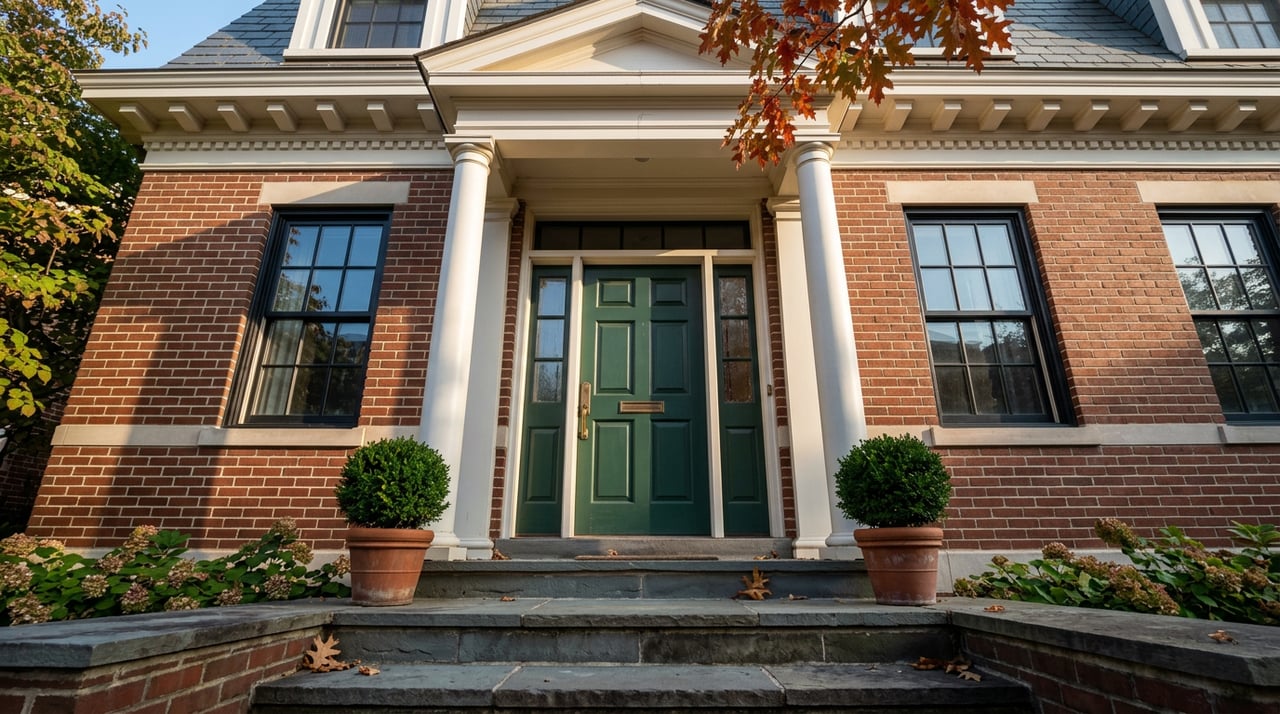
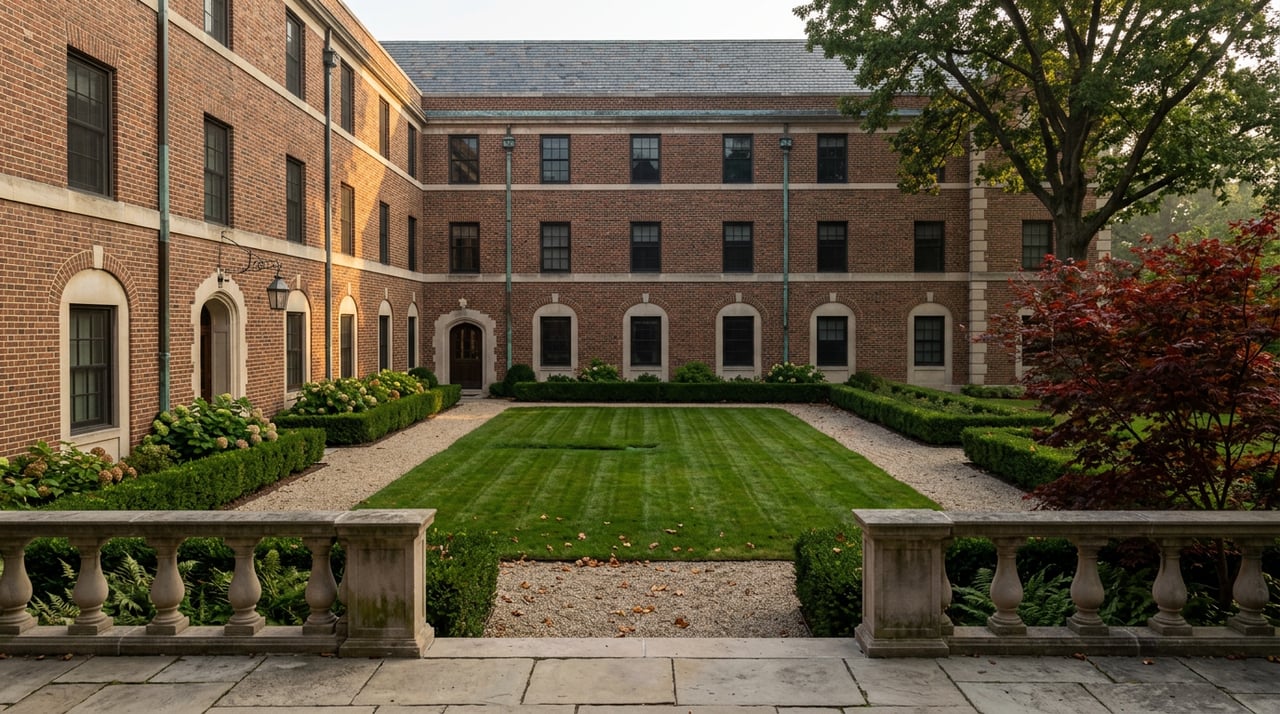
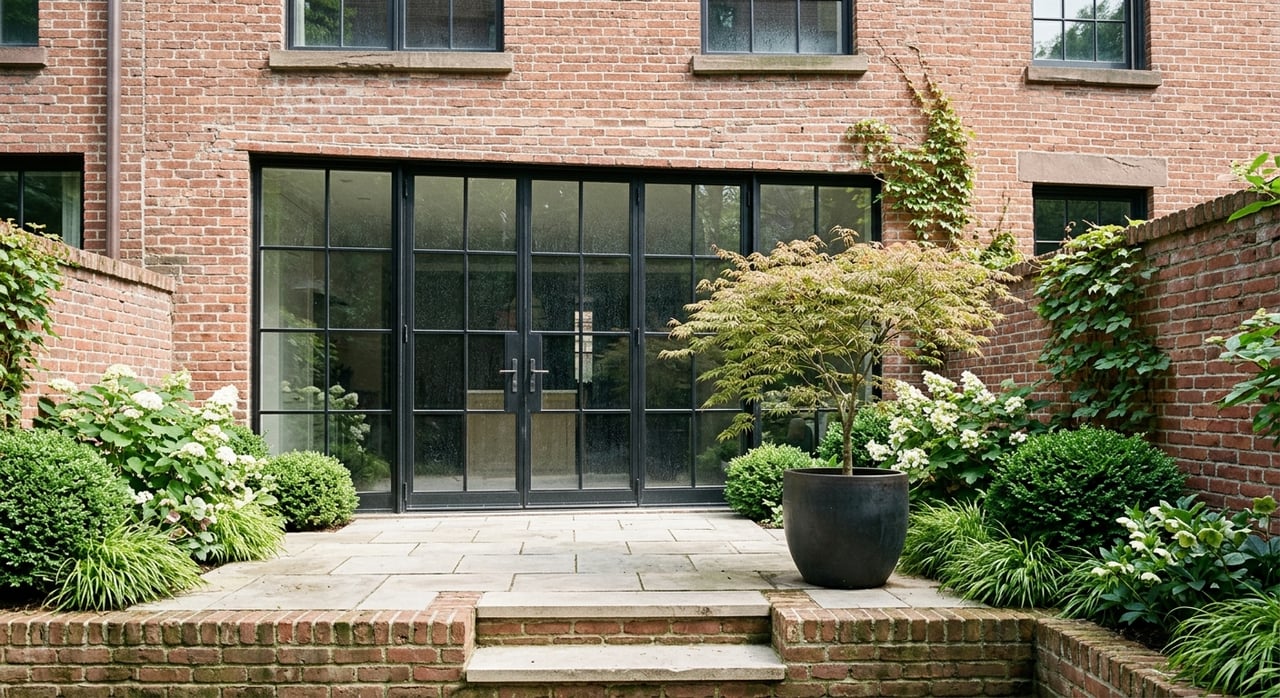
Georgetown is known for its brick Federal and Georgian rowhouses, cobblestone side streets, and a limited number of luxury condos near the waterfront or in infill buildings. Much of the neighborhood sits within the Georgetown Historic District, which preserves character and influences exterior work. For an overview of the district’s scope and review process, see the Georgetown Historic District profile.
Dupont Circle blends late-19th and early-20th century rowhouses and brownstones with mid-century and modern condo and co-op buildings. That mix often gives buyers more condo and small-unit options at a range of price points. For neighborhood context and character, explore the Dupont Circle overview from the National Park Service.
Price context
Recent market snapshots illustrate a clear gap. Georgetown’s neighborhood median sale price has been near about $1.8M in early 2026, driven by historic rowhouses and limited inventory. Dupont Circle’s median has tended to sit around the $500K to $600K range, reflecting a condo-heavy market. Pricing changes with seasonality and specific building types, so check live listings and recent sales when you are ready to tour.
Ownership and renovation costs
If you expect to renovate in Georgetown, budget extra time for exterior changes and larger additions. The Old Georgetown Board and Historic Preservation Review processes add review steps that help maintain neighborhood character. Learn more about how preservation oversight works via the city’s Georgetown Historic District guidance. In Dupont Circle, many buyers weigh condo or co-op fees and approval processes in older co-op buildings when comparing total monthly costs.
Errands, dining, and green space
Groceries and daily errands
Dupont Circle places many everyday needs within a short walk, including full-service grocers, pharmacies, and quick-service options clustered around the Red Line and major corridors. If you like grabbing groceries on your way home from the Metro, this pattern can be a daily time-saver.
Georgetown’s commercial corridors on M Street and Wisconsin Avenue prioritize boutique shopping, restaurants, and specialty food stores, with larger-format grocery options nearby in West End or Foggy Bottom. For a feel of the neighborhood’s retail and waterfront scene, browse Georgetown’s official overview.
Dining and neighborhood character
Dupont Circle hosts a broad mix of restaurants and bars plus cultural institutions along nearby Embassy Row. It reads as a lively, social, transit-forward urban district. The NPS profile for Dupont Circle offers historical context and public-space highlights.
Georgetown’s dining clusters around M Street, Wisconsin Avenue, and the waterfront, where you will find river views and weekend activity. Residential blocks often feel quieter, with tourism and retail pulling more of the crowd toward the commercial core. See Georgetown’s neighborhood overview for a snapshot.
Parks and outdoor routines
If your weekends revolve around the water, Georgetown’s C&O Canal, Waterfront Park, and Potomac access are major benefits. Runners and cyclists enjoy easy access to multi-use trails that stretch regionally. Dupont offers a pocket park at the Circle and quick connections to Rock Creek Park’s trail network for short runs and off-road rides.
Which neighborhood fits your routine?
- Choose Dupont Circle if you want one-seat Red Line access, easier grocery runs, and car-light living. You will trade some space for convenience and typically find more condo options.
- Choose Georgetown if you prioritize historic townhouses, waterfront walks, and proximity to Key Bridge for Virginia trips. You will trade quick rail access for a premium, preservation-minded neighborhood fabric.
A quick decision checklist
- Map two peak-hour commutes from each neighborhood to your workplace and compare door-to-door times. Re-check routes periodically as bus and shuttle links evolve.
- Pull a small sample of active listings in both areas to compare housing types, monthly fees, and typical finishes by price band.
- If you plan to own a car, verify on-street permit eligibility for any block you are considering and price out garage options nearby.
- If you are considering exterior work in Georgetown, budget added time and specialist help for historic review. If you prefer low-maintenance living, factor monthly condo or co-op fees into your total cost.
How District Property Group can help
We help you translate lifestyle priorities into clear search criteria, then source the right homes and negotiate with confidence. As a DC-based team serving the broader DMV, we guide buyers and sellers through condos, co-ops, historic rowhomes, and new development. Whether you are aiming for Metro-front convenience in Dupont or a historic address in Georgetown, we can model commute times, ownership costs, and resale outlook before you commit.
Ready to find the right fit for your routine? Connect with Andrew Riguzzi to start your plan.
FAQs
Is Dupont Circle more walkable than Georgetown for daily errands?
- Dupont Circle typically rates higher on Walk Score, with dense errands and a Red Line station that make car-light living practical for many residents.
Does Georgetown have a Metro station inside the neighborhood?
- No. The closest stations are Foggy Bottom–GWU and Rosslyn, which you reach by walking, biking, busing, or driving a short distance; confirm your commute with a live trip planner.
How do home prices compare between Georgetown and Dupont Circle in 2026?
- Recent snapshots show Georgetown’s median near about $1.8M, while Dupont Circle’s median sits around $500K to $600K, though exact pricing varies by home type and season.
What is the commute like from either neighborhood to Arlington, Virginia?
- Georgetown residents often hop to Rosslyn or Foggy Bottom for Blue/Orange/Silver access, while Dupont residents ride the Red Line and transfer once; verify door-to-door times for your specific schedule.
How challenging is parking in Georgetown compared to Dupont Circle?
- Georgetown’s historic streets and Residential Permit Parking rules can make on-street parking tight and push some residents toward paid garages, so evaluate parking early in your search.
What should I know about renovating in Georgetown’s Historic District?
- Exterior changes typically require additional review through historic-preservation bodies, so plan for longer timelines and specialized contractors before starting major work.